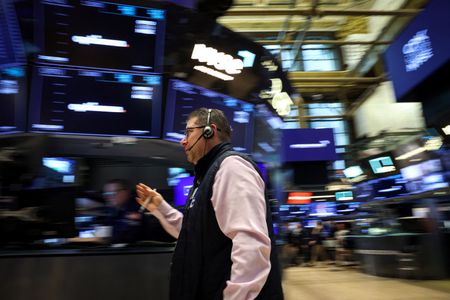

Wall Street celebrated Wednesday as rumors of a potential U.S.-Iran peace agreement sparked a massive rally that pushed global stock markets to record heights while sending oil prices into a steep decline.
The speculation about diplomatic progress between the United States and Iran created a wave of optimism that lifted benchmark indexes worldwide. Meanwhile, artificial intelligence companies continued their remarkable run following strong earnings reports and news of massive spending commitments in the tech sector.
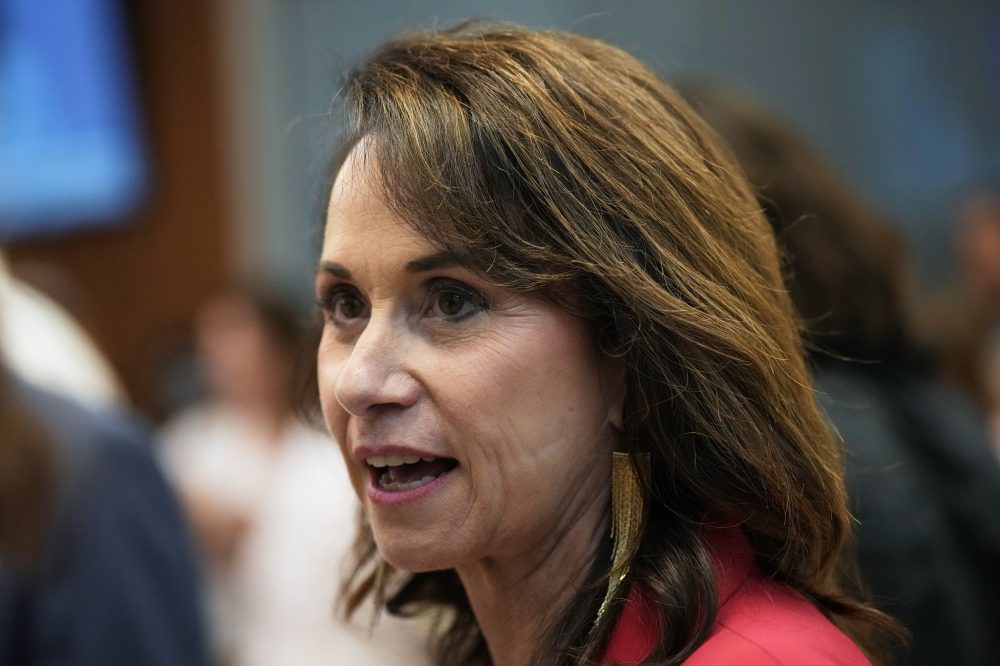
Market analyst Jamie McGeever noted the extraordinary strength of emerging markets despite ongoing global energy disruptions. Emerging market stocks reached all-time highs, with bond spreads hitting their narrowest levels in more than ten years. However, questions remain about sustainability if Middle East peace talks fail to materialize.
The day’s winners included major stock indexes across the globe. The MSCI world index, emerging market benchmark, and Asia ex-Japan measures all posted new records. South Korea’s market joined the S&P 500 and Nasdaq in reaching fresh peaks, while European markets and Britain’s FTSE 100 both climbed 2%.
Technology led the charge among individual stocks. Nine out of eleven S&P 500 sectors posted gains, with technology, communications services, and industrial companies rising 2% or more. Energy stocks bucked the trend, falling 4% as oil prices tumbled. AMD skyrocketed 19%, Super Micro Computer jumped 25%, Dell gained 10%, Uber rose 9%, and Nvidia added 6%. Chevron declined 4%.
The dollar weakened 0.5% against major currencies, while the Japanese yen spiked to 155 per dollar for the first time since the Iran conflict began. South African rand and Chilean peso posted significant gains, with South Korea’s won having its strongest day of the year.
Bond markets reflected the risk-on sentiment, with yields declining across the board. British yields dropped 10 basis points or more, while U.S. yields fell 8 basis points on the short end, flattening the yield curve.
Oil markets experienced dramatic moves, with crude prices plunging 8% and Brent briefly falling below $100 per barrel. Precious metals rallied, with gold up 3% and silver surging 6%. Despite falling oil prices, average U.S. gasoline costs remained above $4.50 per gallon.
The VIX volatility index, often called Wall Street’s “fear gauge,” dropped to its lowest level in over three months. The measure fell below levels seen when the Iran conflict started in late February, marking a significant decline from war-time peaks.
Samsung made headlines by joining the exclusive trillion-dollar market capitalization club, with shares soaring 14% as part of a global AI chip surge. The South Korean giant became the second Asian company after TSMC to achieve the milestone valuation.
The latest semiconductor rally followed reports that Anthropic plans to spend $200 billion on Google’s cloud services and chips. Industry estimates suggest approximately half of the $2 trillion cloud order book at Google, Microsoft, Oracle, and Amazon comes from just two companies: Anthropic and OpenAI.
Airlines faced continued pressure from elevated fuel costs. U.S. carriers spent over $5 billion on jet fuel in March alone, representing a $1.8 billion or 56% increase from the previous month. The surge in fuel expenses raises concerns about potential bankruptcies among low-cost carriers, following Spirit Airlines’ collapse last month.
The collective impact on global airlines reaches into billions of dollars, with thousands of flights already canceled. Beyond higher prices, physical fuel shortages could emerge if key supply routes remain disrupted.
Looking ahead, several factors could influence Thursday’s trading. Middle East developments and energy market movements top the watch list. Economic data includes Australia’s March trade figures, Taiwan’s April inflation, and eurozone March retail sales.
Central bank officials scheduled to speak include European Central Bank Vice President Luis de Guindos and board members Isabel Schnabel and Philip Lane. Norway and Sweden will announce interest rate decisions.
U.S. economic releases feature weekly jobless claims, preliminary first-quarter productivity data, and March consumer credit figures. Federal Reserve officials speaking include New York Fed President John Williams, Minneapolis Fed President Neel Kashkari, and Cleveland Fed President Beth Hammack.
Corporate earnings continue with reports from McDonald’s, Gilead Sciences, CoreWeave, and Airbnb.