
Global financial markets are breathing a cautious sigh of relief after the United States halted its military strikes against Iran — partly due to concerns about dwindling ammunition supplies — and Iran announced it would hold off on further action as long as the U.S. stood down.
The temporary ceasefire sent oil prices tumbling, with Brent crude falling roughly 4% to $92.80 per barrel. Analysts suggest the $100 mark appears to be the threshold at which the U.S. pulls back, implying that oil prices hovering near that level may be what keeps both sides at the negotiating table.
The situation remains complicated, however. Houthi forces launched attacks on oil facilities in Saudi Arabia, but investors largely interpreted the overall picture as a move toward de-escalation rather than further conflict.
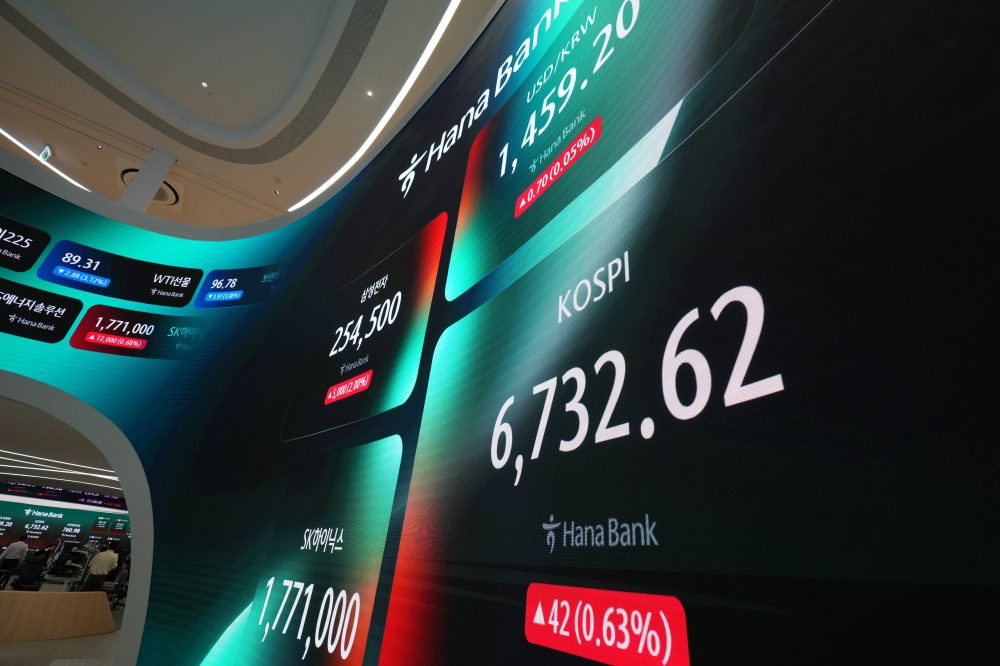
Stock markets offered a restrained response, with Nasdaq futures climbing about 1%, while Asian markets pulled back slightly amid concerns that upcoming tech earnings reports could raise red flags about the enormous spending being poured into artificial intelligence development.
The scale of AI investment was highlighted by a Wall Street Journal report indicating that Nvidia is in discussions to provide approximately $250 billion in support for OpenAI as part of a major data center project.
This week brings a flood of corporate earnings reports, including results from tech heavyweights Microsoft, Meta Platforms, Amazon, Apple, and Qualcomm, as well as numerous industrial, defense, and healthcare companies. Roughly one-third of all S&P 500 companies are scheduled to report, with earnings growth currently on pace to show a 26.5% increase compared to last year — though even that strong figure may fall short of lofty investor expectations.
On a positive note, Chinese chipmaker CXMT Corp made a spectacular stock market debut on the Shanghai exchange, with shares skyrocketing 500% after the company raised $8.6 billion in what stands as Asia’s largest initial public offering of the year.
The drop in oil prices helped government bonds recover after a difficult stretch last week, and interest rate futures markets have slightly reduced expectations for further Federal Reserve tightening. Still, traders currently see about a one-in-three chance that the Fed raises rates at its meeting this week. While most analysts believe Fed Chair Kevin Warsh is not inclined to tighten policy, one or two dissenting votes in favor of an immediate hike remain possible.
The Bank of England and the Bank of Japan are also holding policy meetings this week — on Thursday and Friday respectively — with both widely expected to keep interest rates unchanged while signaling continued caution about inflation.
Adding to the broader picture, Singapore’s central bank surprised markets on Monday by tightening its own monetary policy, allowing its currency to appreciate at a slightly faster pace than before.
Key economic data to watch this week includes Germany’s Ifo business sentiment index for July and U.S. durable goods figures for June.