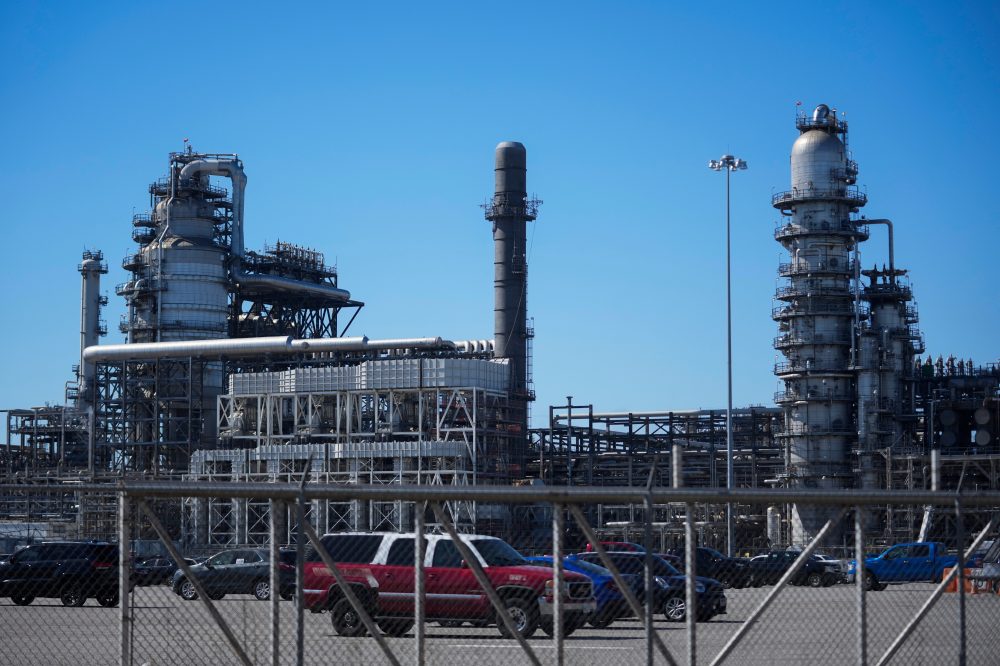

NEW YORK (AP) — An escalating conflict in Iran has brought oil tanker traffic to a virtual standstill, targeted petroleum refineries, and created anxiety among investors concerned about rising energy costs.
Despite what appears to be an appropriate moment to access global emergency petroleum stockpiles, international leaders have demonstrated hesitation in taking such action.
Here’s an examination of the energy reserves nations maintain and the circumstances under which they utilize them:
Following the outbreak of Middle Eastern hostilities on February 28, initiated by American and Israeli strikes against Iran, petroleum tanker movement through the Strait of Hormuz has essentially ceased, blocking a critical route for substantial global oil transportation.
This disruption has caused petroleum prices to climb dramatically.
Brent crude, the global benchmark, jumped to approximately $120 per barrel on Monday—roughly 65% above pre-conflict levels—before declining toward $90.
Nations worldwide maintain substantial petroleum quantities available for emergency situations, including America’s massive Strategic Petroleum Reserve stored in underground salt formations across Texas and Louisiana.
Since oil functions as an international commodity, and releasing large quantities onto the market carries worldwide consequences, nations frequently consult with each other before accessing reserves. This includes coordination through the International Energy Agency, established following the 1973 oil shortage.
However, deciding to utilize oil reserves involves complex considerations, especially during warfare with constantly changing conditions and uncertain duration.
“The key question on drawing down these reserves remains one of, ‘How long will this conflict last?’” says Tom Seng, an energy finance professor at Texas Christian University. “And, more importantly, ‘How long with the Strait of Hormuz remain blocked?’”
Emergency oil supplies have been accessed during previous market disruptions, including conflicts in Iraq, Libya, and most recently Ukraine.
Kenneth Medlock, senior director of the Center for Energy Studies at Rice University, explains the issue isn’t whether the current situation warrants intervention, but rather determining the optimal timing.
“The price is up but it could get worse,” Medlock says. “What happens if this drags on for two, three months? Then you run into a situation where you lose your buffer.”
All 32 International Energy Agency member nations commit to maintaining reserves equivalent to at least 90 days of imports. While the United States exports more than it imports and maintains reserves without obligation, other countries must eventually replenish any reserves they use.
“Because of that, countries tend to keep reserves for a last-resort scenario, should the disruption be prolonged,” says Maksim Sonin, an energy executive who works with Stanford University’s Hydrogen Initiative.
To date, leadership has shown reluctance to access reserves.
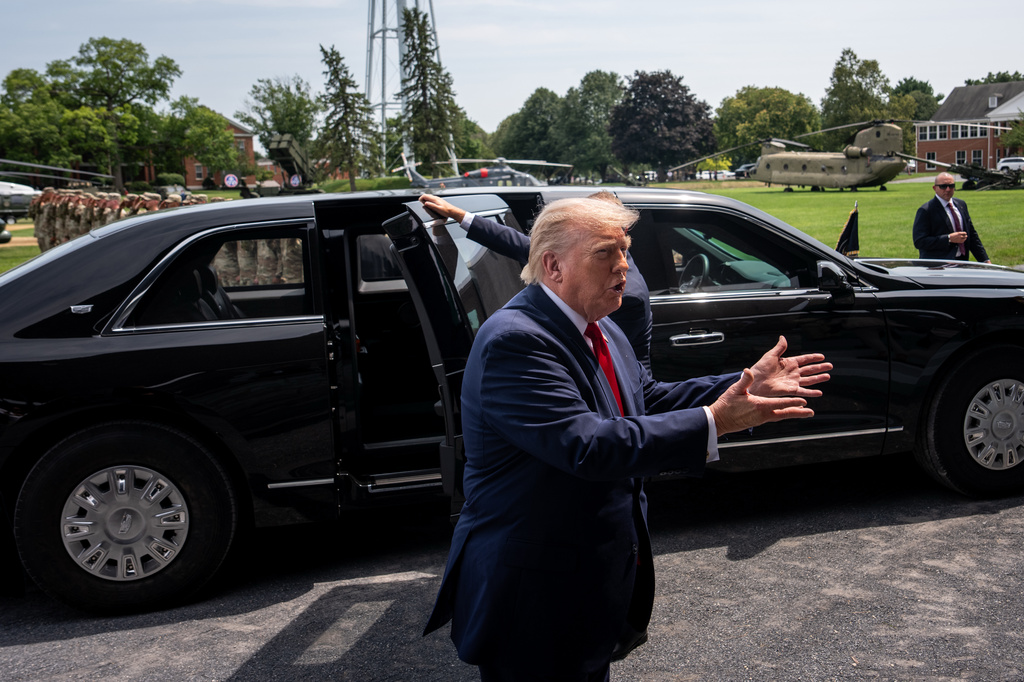
During the weekend, President Donald Trump minimized suggestions of utilizing the Strategic Petroleum Reserve, stating supplies remained adequate and prices would decline soon.
Group of Seven industrialized nations representatives discussed the matter Monday but similarly chose against using strategic reserves.
“We’re not there yet,” French Finance Minister Roland Lescure said after chairing the G7 meeting. Still, he told reporters in Brussels that the group was “ready to take necessary and coordinated steps in order to stabilize markets, such as strategic stockpiling.”
Fatih Birol, the executive director of the IEA, participated in the meeting, subsequently noting the “significant and growing risks for the market.” The organization reports that IEA member countries possess over 1.2 billion barrels of emergency petroleum.
Although leaders have avoided using their reserves thus far, energy expert Brenda Shaffer suggests that merely discussing the option could calm markets.
“As long as the market keeps hearing about these possibilities,” says Shaffer, a professor at the Naval Postgraduate School, “I think that will have a smoothing effect on the global oil market.”