
Three of the world’s most influential financial institutions announced Wednesday they will work together to address the widespread economic consequences stemming from the current Middle East conflict.
Leaders from the International Monetary Fund, International Energy Agency, and World Bank revealed plans to establish a joint coordination team aimed at maximizing their collective response to the crisis’s far-reaching economic and energy effects.
According to their collaborative announcement, the ongoing conflict has created massive regional disruptions and sparked what they describe as among the most severe energy supply shortfalls in global market history.
“At these times of high uncertainty, it is paramount that our institutions join forces to monitor developments, align analysis, and coordinate support to policymakers to navigate this crisis,” the leadership of all three organizations stated.
The newly formed coordination team plans to evaluate how severely different nations are being affected, develop coordinated response strategies, and rally stakeholders to provide assistance where it’s most needed.
Their response framework may encompass specialized policy guidance, evaluation of financing requirements, and provision of financial assistance through low-interest or zero-interest loans, along with additional risk management tools yet to be specified.
The conflict, which erupted when the United States and Israel launched strikes against Iran on February 28, has resulted in thousands of casualties throughout the Middle East. Iran subsequently retaliated with attacks on Israeli territory, American military installations, and Gulf region nations, while simultaneously opening another battlefront in Lebanon.
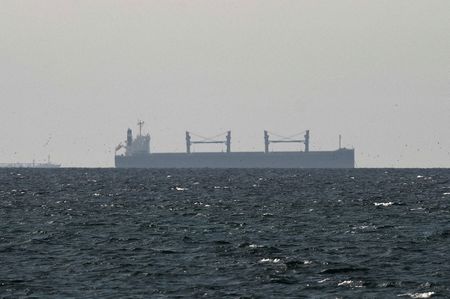
Now entering its second month, the warfare has expanded throughout the region, creating energy supply disruptions and raising concerns about potential global economic instability.
“The impact is substantial, global, and highly asymmetric, disproportionately affecting energy importers, in particular low-income countries,” the three international organizations emphasized.
The institutions highlighted that the conflict has already driven up costs for oil, natural gas, and fertilizers, while raising alarm about food price increases and affecting worldwide supply networks for helium, phosphate, aluminum, and various other materials. The tourism industry has also suffered significant damage.
“The resulting market volatility, weakening of currencies in emerging economies, and concerns about inflation expectations raise the prospect of tighter monetary stances and weaker growth,” the organizations explained.
“We are committed to working together to safeguard global economic and financial stability, strengthen energy security, and support affected countries and people on their path to sustained recovery, growth, and job creation through reforms,” they concluded.