
BANGKOK (AP) — The ongoing conflict with Iran is creating worldwide energy shortages, compelling nations to make difficult decisions about where to reduce consumption or absorb rising costs while managing limited fuel supplies.
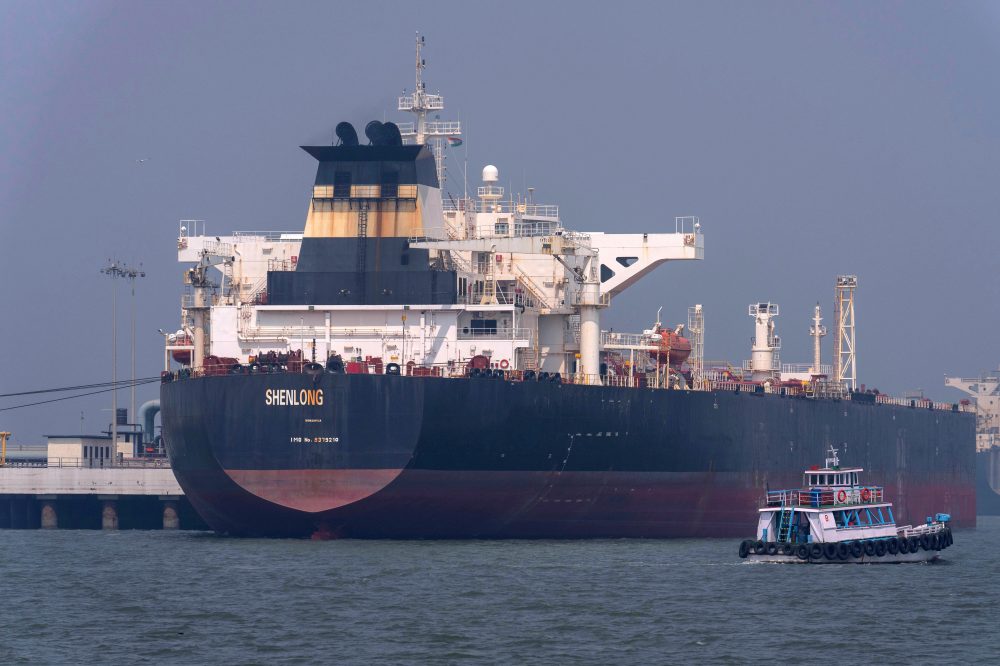
Asian countries face the greatest impact due to their heavy dependence on imported energy, with much of it transported through the currently blocked Strait of Hormuz. This critical waterway near Iran serves as the primary shipping route for one-fifth of the world’s crude oil and liquified natural gas trade.
Regional leaders are rapidly implementing adjustments — calculating petroleum stockpiles, reducing energy consumption, vying for available supplies, and attempting to moderate pricing. These measures involve challenging compromises: reducing electricity usage may harm business operations, while prioritizing household cooking gas can damage restaurants and other commercial enterprises.
“Even relatively modest constraints on energy use can create a drag on industrial activity,” said Linh Nguyen, with the consultancy Control Risks. She pointed to Vietnam’s energy-intensive export industries and warned that higher fuel costs or conservation measures could quickly raise production costs or slow factory output.
Experts caution that these same difficult decisions may soon extend beyond Asia to fuel-dependent economies in Africa and other regions as nations compete for limited resources.
“The situation is common across the board,” said Putra Adhiguna of the Jakarta-based Energy Shift Institute. “There is no easy decision for the short term.”
Despite strategic reserve releases, petroleum prices continue climbing, prompting Southeast Asian nations to extend their diminishing energy stockpiles by encouraging homes, companies, and government departments to dramatically reduce electricity consumption.
Philippine authorities have implemented a four-day work schedule to decrease fuel usage and lower government energy consumption by 20 percent. Offices have received instructions to power down computers during lunch periods and maintain air conditioning temperatures at no less than 24°C (75°F). Vietnam has encouraged remote work arrangements, while Thailand’s prime minister has requested officials use stairways rather than elevators.
However, these measures carry significant consequences.
Dieu Linh, a vegetable seller in Hanoi, said even a 10% rise in fuel costs will eat into her thin margins. “If my costs go up by even a little, the profit is almost gone,” she said.
Simultaneously, regional nations are competing for scarce supplies at elevated prices.
Vietnam has requested that refineries and fuel distributors maintain high inventory levels, while Thailand is extending its approximately two-month petroleum reserve and exploring alternative domestic energy options. Both countries are implementing price supports to protect households from increasing costs.
Thailand suspended exports to preserve its limited stockpiles, contributing to shortages that have forced nearly one-third of Cambodia’s approximately 6,000 gas stations to close.
According to the U.S. Energy Information Administration, over 80 percent of the liquefied natural gas that traveled through the Strait of Hormuz in 2024 was destined for Asia, with significant portions going to Japan, South Korea, and Taiwan.
Japan’s primary defense mechanism is its extensive strategic petroleum stockpile, containing approximately 254 days’ worth of supplies. This reserve system was established following the disruptions from the 1970s Arab oil crisis.
Japan initiated the release of roughly 45 days’ worth of petroleum reserves this week to prevent fuel price spikes as crude oil imports decrease. The country previously released reserves following Russia’s Ukraine invasion in 2022.
This action will help maintain operations for Japan’s energy-dependent industries, including automotive, steel production, and heavy machinery sectors. Corporations such as Toyota, Mitsubishi, and Nippon Steel require consistent fuel availability.
South Korea intends to release 22.46 million barrels from its stockpiles as part of the International Energy Agency’s largest-ever coordinated reserve withdrawal.
However, experts indicate that accessing reserves represents only a temporary solution.
This will provide refineries “some buffer” against disruptions. But this does not increase a country’s overall supply unless it can buy oil released by other nations, said Muyu Xu of the energy consultancy Kpler.
Should the crisis persist, crude oil shortages may return. The releases might sustain refinery operations for several additional weeks, but companies may need to reduce production if disruptions continue, she explained.
“The fundamental difficulties will not be solved by this action,” said Mika Ohbayashi of the Renewable Energy Institute in Japan, adding that renewable energy was a long-term solution but the Japanese government was uninterested.
Japanese Prime Minister Sanae Takaichi is scheduled to meet with U.S. President Donald Trump later this month, and Japan’s plans to purchase additional American LNG and restart nuclear facilities are expected to be discussed, according to analysts.
India is giving priority to household requirements for its restricted supply of liquefied petroleum gas or LPG, which powers cooking appliances and vehicles.
The country has absorbed more than half of the increase driven by global market disruptions under a federal scheme to keep prices low for poor households, said Indian Petroleum Minister Hardeep Singh Puri.
However, shortages are already affecting restaurants and hotels in the world’s second-largest LPG importing nation, as dining establishments reduce operating hours, temporarily close, or remove slow-cooked curries and deep-fried items from their offerings.
The magnitude of demand in India, the world’s most populous country, restricts how long it can maintain price controls to protect consumers. The situation may deteriorate within a week if government subsidies expire, said Duttatreya Das of the think tank Ember, noting gas supplies were the most immediate concern.
“You can’t store a lot of gas,” Das said, adding that fertilizer factories and small industries will feel the pinch first.
Indonesia, home to 287 million residents and Southeast Asia’s largest population, also confronts difficult decisions.
While government officials have pledged to maintain fuel pricing throughout Eid al-Fitr, the Muslim celebration concluding the Ramadan fasting period, Adhiguna of the Energy Shift Institute said there is “no clarity about what will happen after that,” adding that this implies fuel prices could increase.
Thailand also faces a challenging situation. Ending subsidies that maintain low prices would cause living expenses to surge and potentially trigger panic if reserves decline further, said Areeporn Asawinpongphan of the Thailand Development Research Institute.
Should the conflict persist, Indonesia must choose between maintaining subsidies that protect consumers or reducing expenditures to meet budget constraints. However, this approach could increase inflation. Given Indonesia’s limited 20-day reserve, Adhiguna warned that price changes in Indonesia’s fuel market will occur rapidly.
“It will eventually reach a breaking point,” Adhiguna said.
The European Union is intensifying its long-term renewable energy approach to reduce consumption and control prices across the 27-member alliance, which have increased significantly since the conflict began. Officials convened in Brussels this week to explore methods for enhancing the region’s energy security.
“We are looking at how we can reduce people’s energy bills,” said European Commissioner for Energy Dan Jørgensen. “We are working on immediate measures to help businesses and our most vulnerable citizens.”