
Two major European nations announced they will tap their emergency petroleum stockpiles following a coordinated international request aimed at stabilizing energy markets disrupted by escalating Middle East tensions.
Germany and Austria confirmed their participation in the International Energy Agency’s call for member countries to collectively release 400 million barrels from strategic reserves. Japan has also committed to beginning releases starting Monday.
This coordinated action represents the most significant emergency oil release in history, surpassing the 182.7 million barrels released by IEA nations following Russia’s comprehensive military assault on Ukraine two years ago.
The IEA reports its member countries maintain more than 1.2 billion barrels in public emergency petroleum reserves, supplemented by an additional 600 million barrels in industry stockpiles held under government requirements.
The current energy crisis stems from Iran’s retaliatory actions following strikes by the United States and Israel. Iranian forces have launched attacks against commercial vessels throughout the Persian Gulf, intensifying their strategy of disrupting the oil-rich region as worldwide energy anxieties escalate.
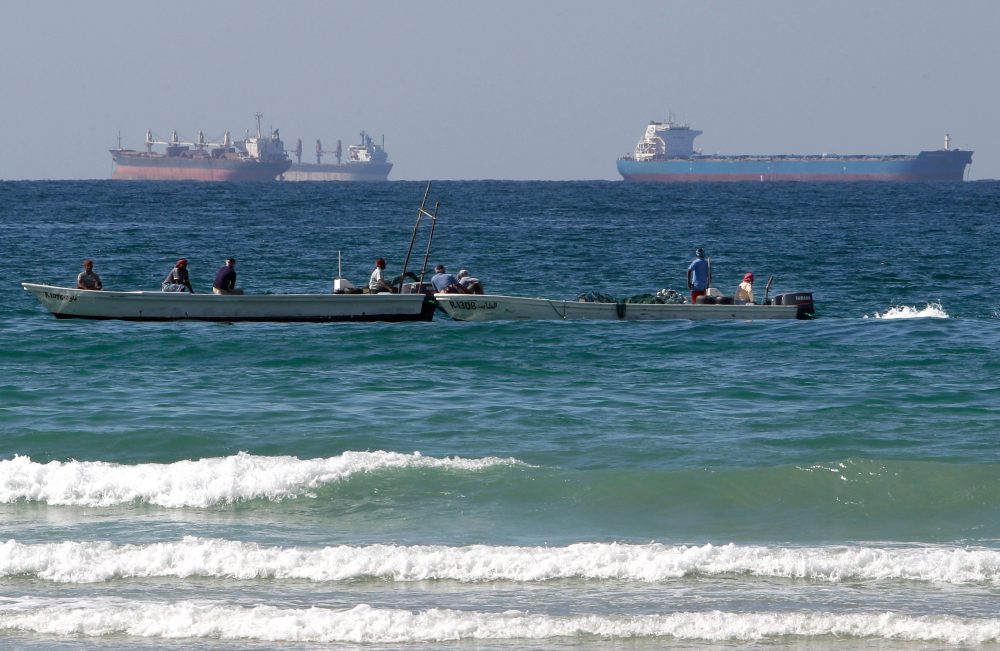
Iran has successfully halted most cargo movement through the strategic Hormuz Strait, a critical waterway that handles approximately 20 percent of global oil shipments traveling from the Persian Gulf to the Indian Ocean.
Iranian operations have also struck petroleum facilities and processing plants across Gulf Arab states, designed to create sufficient worldwide economic pressure to force the United States and Israel to cease their military operations.
Energy officials from the Group of Seven nations stated Tuesday their support “in principle” for “the implementation of proactive measures to address the situation, including the use of strategic reserves.”
Current export levels of crude oil and refined petroleum products have plummeted to less than 10 percent of pre-conflict volumes, according to IEA data.