
Financial experts are warning Delaware drivers to brace for continued high gas prices as escalating Middle East tensions threaten oil shipments through one of the world’s most important waterways.
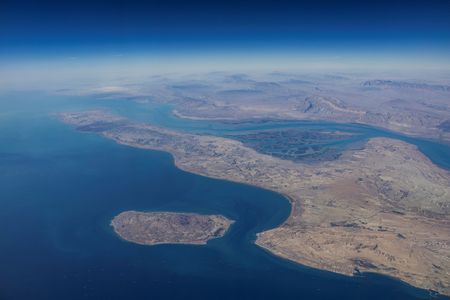
The Strait of Hormuz, which carries more than one-fifth of the world’s oil supply, has become the focal point of market concerns as regional conflicts intensify. Multiple investment banks released analyses this week projecting sustained price increases at the pump.
Citigroup forecasts Brent crude oil will trade between $80 and $90 per barrel for at least the next week, though analysts expect prices could drop back to $70 per barrel if tensions ease.
Goldman Sachs calculated that current crude prices include an $18 per barrel risk premium due to the crisis. The investment firm projects this premium could shrink to $4 if shipping through the strait is only half-blocked for one month. However, Goldman warns that natural gas prices could skyrocket by 130% to reach 74 euros per megawatt hour if oil flows stop completely for a month.
Wood Mackenzie analysts predict even steeper price increases, saying oil could top $100 per barrel if tanker traffic doesn’t resume quickly through the strategic waterway.
“The disruption creates a dual supply shock: not only are current exports through the Strait halted, but OPEC+ additional volumes and ultimately most of OPEC’s spare capacity – typically a key lever for balancing the global oil market – are inaccessible while the waterway remains closed,” Wood Mackenzie researchers stated in their analysis.
The Organization of the Petroleum Exporting Countries and its allies had planned to increase production by 206,000 barrels daily in April, but those plans may be complicated by the shipping disruptions.
JPMorgan Chase reports that oil exports through the Strait of Hormuz have plummeted to approximately 4 million barrels per day from the typical 16 million, with shipments now limited mainly to Iranian crude as commercial tanker traffic has largely ceased.
The bank estimates that Gulf region oil producers maintain enough storage and tanker capacity to handle 25 days of stranded supply. However, JPMorgan warns that shipping restrictions lasting 3-4 weeks could force Gulf Cooperation Council nations to shut down production, potentially pushing Brent crude above $100 per barrel.
Societe Generale analysts offered a more optimistic outlook Monday, suggesting the most probable outcome would be a brief price spike followed by a partial decline as markets gain confidence in supply stability.
Bernstein research firm has already adjusted its long-term projections, raising its 2026 Brent oil price forecast from $65 to $80 per barrel. In worst-case scenarios involving extended conflict, Bernstein sees prices potentially reaching $120-$150 per barrel.
Macquarie Group’s global energy strategist Vikas Dwivedi said international markets could absorb a one to two-week closure of the Strait of Hormuz, but warned that price impacts would accelerate dramatically after three weeks and become severe after four weeks of disruption.