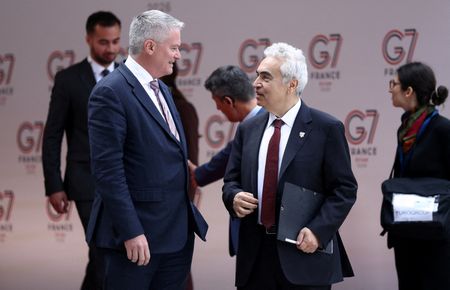

Meeting in Evian-les-Bains, France on Wednesday, leaders of the G7 nations announced an agreement to boost coordination on the supply of critical minerals, outlining a framework for joint stockpiling and the creation of a new international cooperation platform with an expanded role for the International Energy Agency.
The decision reflects growing urgency among Western nations to diversify where they source metals that are essential to the defense, technology, and renewable energy sectors. Concerns intensified last year when China imposed export restrictions on permanent magnets, bringing some industries to a near standstill and exposing just how dependent the world had become on a single supplier.
In a joint statement, the G7 leaders declared: “We are committed to working towards establishing harmonized, interoperable mechanisms… This would start with two pilot critical minerals – lithium and nickel – and aim to avoid undermining competitiveness or imposing excessive cost burdens.”
The group also announced plans for a dedicated platform designed to coordinate policy decisions, share data, and manage crisis situations. The International Energy Agency will play a central role in monitoring global markets and identifying emerging risks — a development first reported by Reuters ahead of the official announcement.
According to the joint statement, the new platform will rely on the agency to deliver analysis and provide “early warnings of market distortions” before they escalate into broader economic disruptions.