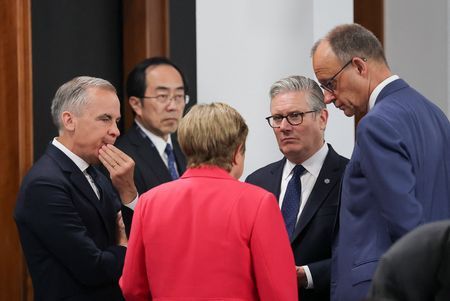

Leaders of the G7 nations gathered at a summit in the French town of Evian-les-Bains on Lake Geneva Wednesday, issuing a joint call for a ceasefire in Lebanon while expressing support for a preliminary agreement between Washington and Tehran aimed at ending the war between the two countries.
The interim deal, a memorandum of understanding signed by the United States and Iran this week, extends a ceasefire that was first announced in April by an additional 60 days. That window is intended to give negotiators time to work toward a lasting peace agreement. The conflict has resulted in more than 7,000 deaths, with most casualties occurring in Iran and Lebanon.
The full details of the agreement had not yet been made public as of Wednesday, but a formal announcement was expected Friday across the nearby Swiss border. In their joint statement, the G7 leaders said: “We underline the need for the negotiation … to address the threats posed by Iran in the region and beyond and ensure that they never obtain a nuclear weapon.”
The summit gave U.S. President Donald Trump an opportunity to present the agreement to key allies — Britain, Canada, France, Germany, Italy and Japan. While those nations broadly share American concerns about Iran’s nuclear activities, they never endorsed the decision to go to war. They have also expressed worry that Tehran gained a degree of leverage by withstanding the military campaign and asserting control over the Strait of Hormuz.
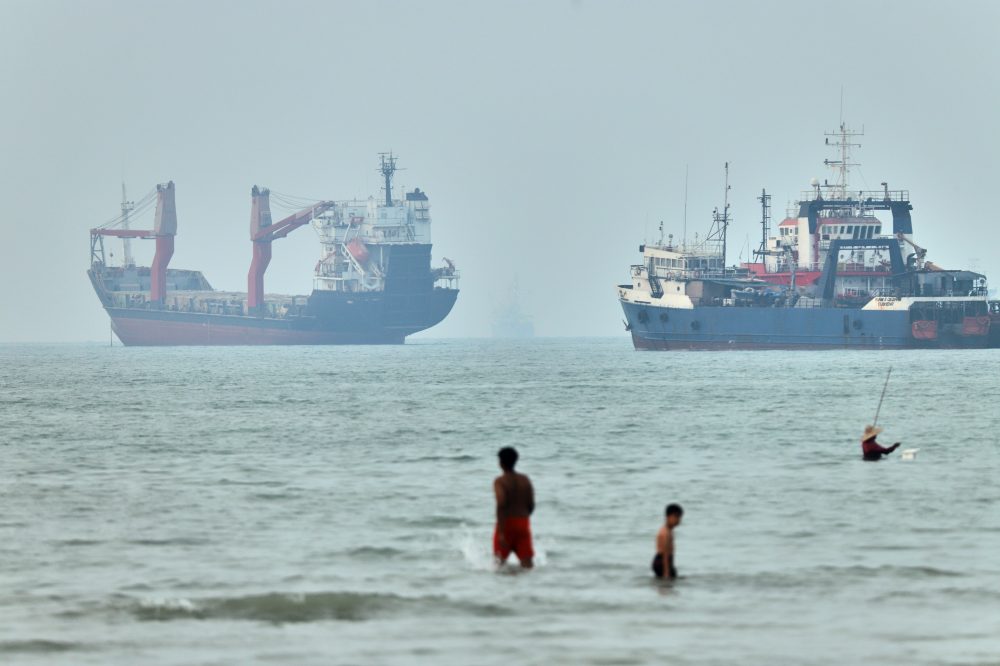
The G7 leaders said they are prepared to help put the agreement into practice. A coalition led by Britain and France is expected to assist in securing shipping lanes once the Strait of Hormuz reopens, which is anticipated to happen Friday.
Critics have noted that the U.S. president appears to have fallen short of several goals he outlined at the start of the conflict. Iran’s government remains in power, its stockpile of highly enriched uranium has not been handed over, its ballistic missile program has not been dismantled, and it has not cut ties with anti-Israel militant groups such as Hezbollah in Lebanon. Trump has stated that the agreement affirms Iran will not develop a nuclear weapon — a position Iran has officially held since the 1970s — and U.S. officials say further talks will lead to the removal or destruction of its enriched uranium supply.
Ending the war under these conditions could still draw criticism, including from within Trump’s own Republican Party, as the country heads toward midterm elections in November.
One of the most unresolved issues surrounding the truce involves Lebanon. Israel invaded the country in March in an effort to root out Hezbollah, after the militant group fired across the border in solidarity with Tehran following U.S. and Israeli strikes on Iran. Israeli forces continue to occupy a portion of southern Lebanon, where more than one million people have been displaced. Hezbollah has not been defeated.
Iran has insisted that any ceasefire must also bring an end to hostilities in Lebanon and that a permanent agreement must include an Israeli withdrawal. Israel, which was not included in the U.S.-Iran peace talks, has said it will not withdraw and maintains the right to use military force.
That stance has created a visible rift between Israel and the United States. Trump publicly criticized Israeli Prime Minister Benjamin Netanyahu, saying at the summit Tuesday that he was “not happy” with how Israel has conducted itself. He added: “Without us, without the United States, there would be no Israel. Without me, there would be no Israel, because no other president was willing to do what I did.”
In their joint statement, the G7 leaders called for an “immediate robust ceasefire” in Lebanon along with the disarmament of Hezbollah. A Hezbollah spokesperson told Reuters the group believes Iran would not agree to a permanent truce unless the Israeli occupation comes to an end.
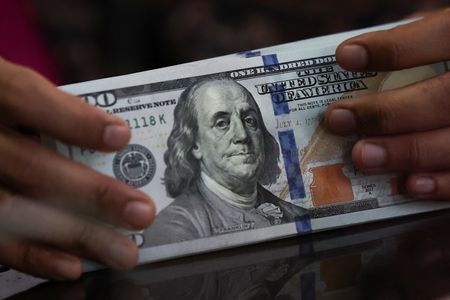
The memorandum also includes a $300 billion reconstruction fund, to be financed by neighboring Gulf states, contingent on Iran meeting other terms of the agreement. A senior U.S. official confirmed that the deal includes a waiver on sanctions against Iranian oil, which could bring millions of additional barrels to the global market — though industry officials caution that full recovery of Middle East oil and gas production could take several months.
Oil prices dropped again Wednesday in anticipation of the Strait of Hormuz reopening, with Brent crude futures falling below $80 per barrel — their lowest point since the early stages of the U.S.-Iran conflict.
The G7 leaders also pledged to “accelerate the diversification of energy supply routes in order to reduce global vulnerability to the Strait of Hormuz and to increase our energy stocks.” Negotiations on more difficult issues, including the future of Iran’s nuclear program, are expected to resume during the 60-day ceasefire period. Iran’s support for regional militant groups and its missile capabilities do not appear to be part of those upcoming discussions.