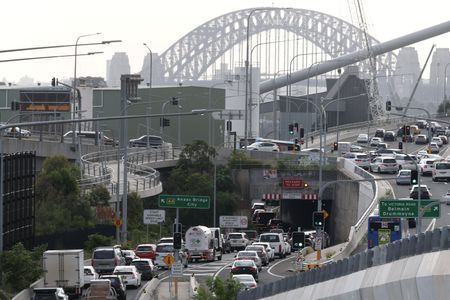

SYDNEY, April 3 – Millions of Australians are abandoning their Easter weekend getaway plans as fuel shortages and skyrocketing prices make travel unaffordable and impractical.
Sydney resident Elsa Ulcak, 67, represents countless retirees who traditionally spend the four-day Easter holiday exploring Australia’s countryside. This year, however, she and her husband are staying home.
“We usually go to the countryside, but because of the petrol situation, we decided to stay at home this year,” Ulcak explained.
The retired couple felt a lengthy drive would drain both their wallet and fuel supplies that working people need more urgently. “(It’s) six or seven hours drive to the countryside… it’s expensive. Also we’ve got to think about it – working people need their petrol, (but) we’re retired, we can stay at home,” she said.
“We usually go with a group of friends, everyone cancelled.”
Easter weekend traditionally ranks among Australia’s peak travel periods. Research company Roy Morgan projected over 4.5 million people would travel during 2025’s Easter break, generating approximately A$11.1 billion ($7.67 billion) in tourism spending.
However, the Iran conflict that erupted February 28th and subsequent Strait of Hormuz blockade have severely disrupted global energy markets, creating widespread travel disruptions.
Since Australia relies on imports for roughly 90% of its fuel supply, the nation has faced localized shortages and dramatic price increases. Diesel costs climbed above A$3 per liter while gasoline exceeded A$2.50 last week, prompting government intervention through fuel tax reductions.
Art director Rachel Abbott, 27, also scrapped her Easter travel arrangements. She typically visits family in northeastern Victoria but found both driving and airline costs prohibitive.
“Work’s just been quite busy and flights are very expensive, and then if I were to drive, obviously it would be a lot more expensive,” Abbott noted.
Aid worker Stav Zotalis, 59, wasn’t planning Easter travel anyway, preferring to remain home during the holiday. Still, she acknowledged this year “does feel very different” due to Middle Eastern tensions.
“I don’t know that we can celebrate. It feels like the world is shaky, it’s unpredictable. And I feel that we don’t know where things are going,” Zotalis said.
Despite experiencing higher costs at gas stations and grocery stores, her primary concern remains with those living in conflict areas.
“I’ve been an overseas aid worker for 25 years and I lived in Asia for 14 years, and I know people that live closer to the conflict are having to forgo food. Not just trips interstate or to the coast, like some of us here in Australia,” she explained.