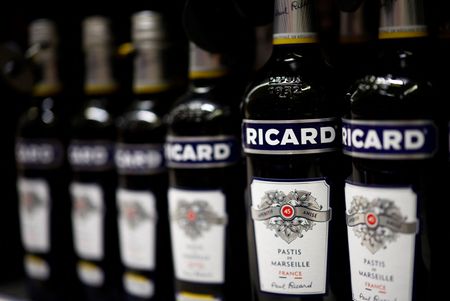

A major shake-up could be brewing in the global liquor industry as French beverage giant Pernod Ricard has been in discussions with Brown-Forman, the company behind Jack Daniel’s whiskey, about a potential merger, according to a source with knowledge of the situation.
The potential combination would bring together the globe’s second-biggest spirits company with America’s leading whiskey manufacturer during a challenging period for the alcohol industry. Companies across the sector are grappling with years of declining sales due to reduced consumer demand and the impact of trade tariffs.
Wall Street reacted strongly to news of the discussions on Thursday, with Brown-Forman’s stock price jumping as much as 21% during afternoon trading. The company currently has a market value of approximately $11 billion. Meanwhile, Pernod Ricard shares, valued at about 16 billion euros ($18.45 billion), dropped nearly 6%.
The French company boasts an impressive collection of spirit brands including Irish whiskey, scotch, and tequila varieties, along with Absolut vodka and Chivas Regal whiskey. However, the company has limited presence in the American whiskey market, which Brown-Forman dominates.
Both companies have recently implemented cost-cutting measures, including workforce reductions and organizational restructuring. The spirits industry has been under pressure from multiple directions: consumers in major markets like the United States have been drinking less due to budget constraints and health concerns, while the Trump administration’s tariff increases have added additional strain. Emerging competition from rapidly growing cannabis beverage products also poses a threat to traditional alcohol sales.
Import duties have created a difficult situation for spirits manufacturers, who must either absorb the increased costs or pass them along to consumers, both of which can harm sales volumes.
Industry analyst Javier Gonzalez Lastra from Berenberg suggested that while a merger wouldn’t necessarily resolve the companies’ growth problems, it could create meaningful operational benefits.
“They have clear overlaps in the U.S., there is also some overlap in Europe,” Lastra explained, noting that such a combination could result in “significant cost savings.”
“I see this as a defensive move, given the industry environment,” he added.
Financial analysts at TD Cowen noted that the Brown family, which maintains substantial voting power over Brown-Forman, has historically opposed similar merger proposals. However, they suggested the family might be more open to such discussions given the industry’s sluggish performance and unclear timeline for improvement.
Last October, Brown-Forman established a compensation plan that would provide severance payments and benefits to executives if their jobs are eliminated due to a change in company ownership. The company characterized this move as part of routine corporate governance updates when it was implemented.
Brown-Forman has not yet provided a response to requests for comment regarding the reported discussions.
According to Bloomberg News, which initially broke the story, the negotiations remain active but there is no guarantee that an agreement will be finalized.