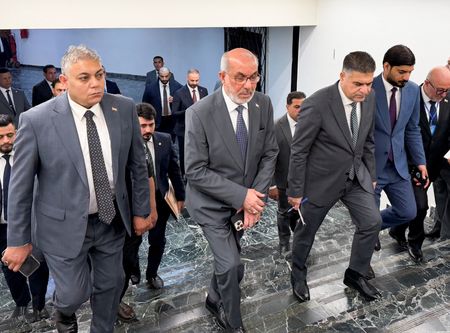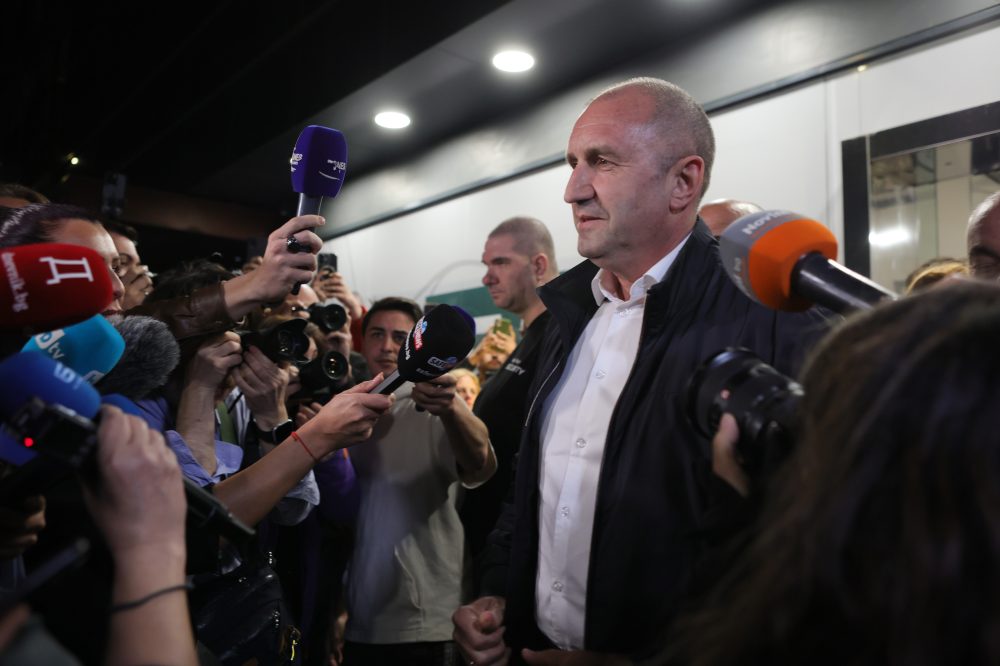

SOFIA, Bulgaria — Bulgarian lawmakers officially installed former President Rumen Radev as the nation’s new prime minister on Friday, marking an effort to stabilize the country’s political landscape and boost economic progress in the European Union member state.
Speaking to parliament members, the 62-year-old acknowledged the challenges ahead: “We have no illusions about the crises and trials facing the government, which will soon be seeking your support – galloping prices, budget, missing reforms, a severe global energy crisis and escalating conflicts.”
Parliamentary representatives backed Radev’s appointment with a vote of 124 in favor, 70 against, and 36 members choosing to abstain.
The former president stepped down from his largely symbolic presidential position in January, cutting short his second term several months early to pursue the more influential prime minister role. Bulgaria’s prior conservative administration fell apart in December following massive anti-corruption demonstrations that brought hundreds of thousands of citizens, particularly young people, into the streets.
Radev gained widespread support by positioning himself as an adversary of entrenched criminal networks and their connections to top government officials. During his campaign events, he promised to “remove the corrupt, oligarchic model of governance from political power.”
His Progressive Bulgaria party achieved an overwhelming win in the April 19 parliamentary elections, securing a strong majority with 131 seats out of 240 total legislative positions.
The new prime minister, who previously served as a military fighter pilot, completed a Master of Strategic Studies program at the U.S. Air War College in 2003 before taking command of Bulgaria’s air force. His political base includes supporters who hope he will eliminate the nation’s oligarchic corruption alongside those who back his skeptical views toward Europe and friendly stance toward Russia.
While Radev’s pro-Russian positions have sparked worry about Bulgaria’s role in European decision-making, political experts anticipate his governing approach will likely remain measured, unlike former Hungarian Prime Minister Viktor Orbán’s tactics, particularly given Bulgaria’s heavy dependence on European funding.
Florence Thiéry, an analyst with the Credendo insurance group, offered this assessment in written remarks: “He will more likely seek to dilute Sofia’s support for Kyiv, for which Bulgaria is a key supplier of ammunition, and push for the resumption of Russian oil and gas imports, prioritizing lower-cost energy supplies.”
Thiéry continued: “Despite these positions, Bulgaria’s full accession to the Schengen Area and its recent adoption of the euro are expected to support continuity in foreign policy, making a reversal of its Euro-Atlantic stance unlikely.”