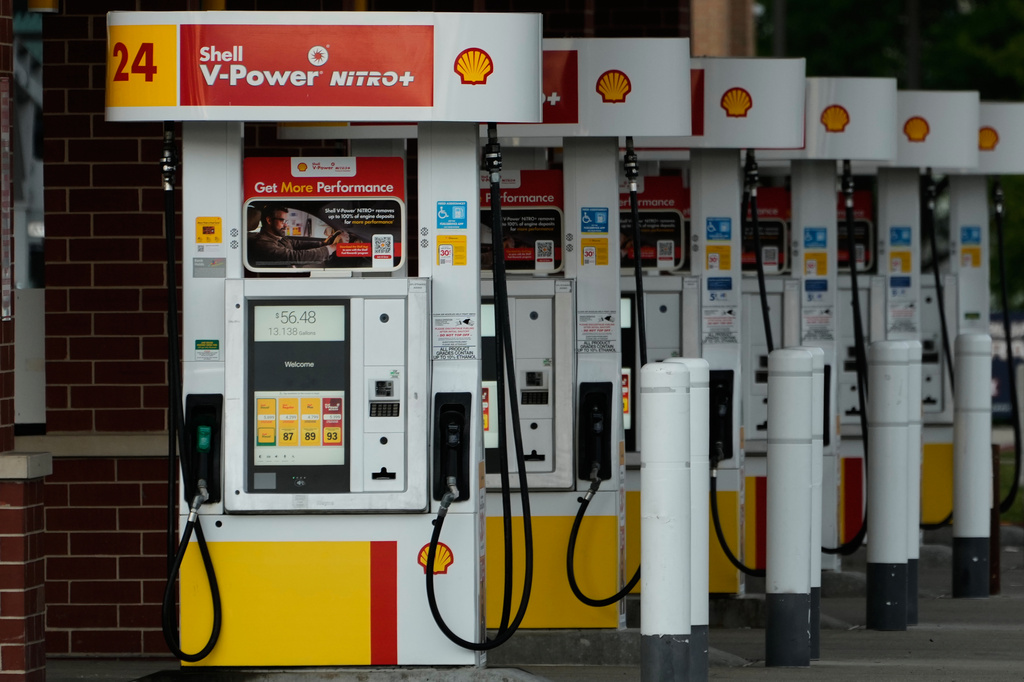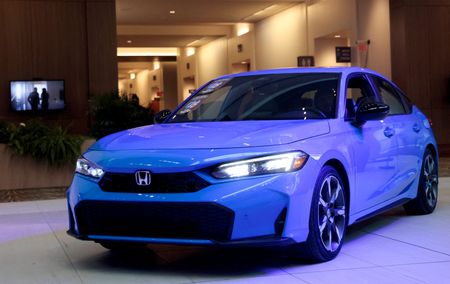

Delaware drivers feeling the pinch at the pump are turning to hybrid vehicles as fuel costs continue climbing following the outbreak of conflict in Iran, new automotive industry data reveals.
According to Motor Intelligence research, hybrid vehicle purchases across the United States jumped 37% during the two-month period following the start of the Middle East conflict in late February. This surge far exceeded the 15% growth seen in overall automotive sales during the same timeframe.
However, fully electric vehicles haven’t captured the same consumer enthusiasm, despite gasoline prices climbing above $4 per gallon in late April – marking a four-year peak according to American Automobile Association data.
Electric vehicle sales increased by only 11% in the two months after the conflict began, trailing behind the broader automotive market’s performance, Motor Intelligence statistics indicate. EV purchases continue lagging behind last year’s figures, still struggling from the impact of a $7,500 federal tax incentive that ended last fall.
This American consumer preference contrasts sharply with European trends, where electric vehicle demand is surging alongside higher fuel costs. European markets offer more budget-friendly electric options and operate under much stricter emissions regulations than the United States.
British electric vehicle sales skyrocketed 79% in the two months after the Iran situation developed, outperforming their general automotive market. German fully-electric car purchases similarly exceeded industry-wide performance, climbing 39% during this period.
Industry experts and dealership representatives identify several factors driving Americans toward hybrid technology – which combines lithium-ion batteries and electric motors with traditional gasoline engines for improved fuel efficiency.
Hybrid models typically cost less than electric vehicles and offer consumers more variety in selection. Additionally, buyers don’t need to adapt to new charging routines or modify their daily habits, such as plugging in vehicles overnight.
“People were already interested in hybrids before gas prices started to go up,” explained Kevin Roberts, who serves as director of economic and market intelligence at CarGurus online marketplace. “Higher gas prices just kind of increased that interest even further.”
Online shopping patterns reflect this growing interest in fuel-efficient options. CarGurus website searches for hybrid vehicles represented 14% of all April vehicle inquiries, rising from 12% the previous month. Electric vehicle searches comprised 5%, up from 3.4%.
“Customers are really looking at every penny,” noted Brad Sowers, who operates Kia, Stellantis and General Motors dealerships in the St. Louis region. His Kia location saw hybrid sales reach 35% of total April purchases, increasing from approximately 30% in March.
Toyota Motor has capitalized on hybrid technology’s rising popularity, having pioneered this approach in the late 1990s with the Prius launch. Recently, the automaker transitioned two bestselling models – the RAV4 SUV and Camry sedan – to hybrid-only configurations.
Toyota’s electrified vehicle sales in America grew 34% during the two months since Middle East tensions began, primarily reflecting hybrid business growth along with limited full-electric offerings. The company’s total U.S. sales increased 23% over this period.
Despite elevated fuel costs, some vehicle categories remain unaffected. Large pickup truck purchases in March and April rose 20% compared to pre-war February levels, according to Catalyst IQ dealership data services.
Todd Szott, operating Toyota, Ford Motor and Stellantis locations in Michigan, observes that while customers notice gas prices, manufacturer incentives carry more influence. Often, the largest discounts apply to gasoline-powered vehicles.
“We’re still selling lots of pickup trucks,” he stated.