
BANGKOK (AP) — A former U.S. diplomat who launched his refugee advocacy career with a daring unauthorized rescue mission in Vietnam has passed away at 82.
Lionel Rosenblatt died Saturday in the Washington area following a cancer diagnosis. His death marks the end of a remarkable career that began with a bold defiance of government orders during the final days of the Vietnam War.
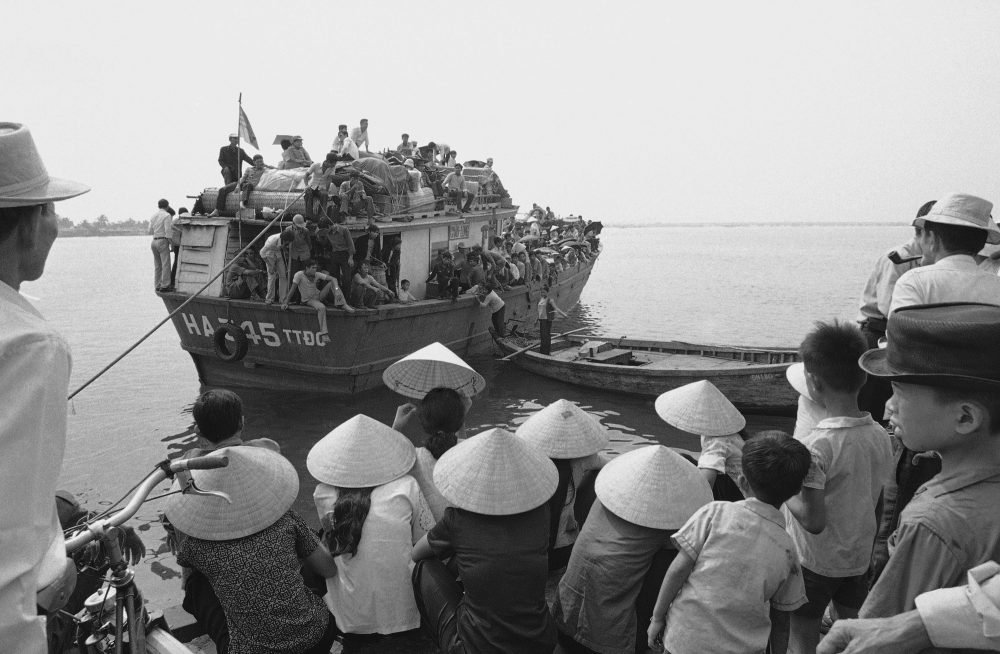
In 1975, as communist forces closed in on Saigon, Rosenblatt and fellow State Department official Craig Johnstone grew frustrated with U.S. Ambassador Graham Martin’s hesitation to evacuate Vietnamese allies. The two men took personal leave and traveled privately to South Vietnam, where they organized flights that saved between 200 and 400 at-risk Vietnamese citizens.
When they returned to Washington, Secretary of State Henry Kissinger delivered what Rosenblatt described as a formal reprimand mixed with personal praise, but no official punishment followed.
That daring mission launched Rosenblatt into a distinguished career as a refugee advocate. He led the Washington-based Refugees International from 1990 to 2001, pushing for stronger humanitarian responses in conflict zones including Bosnia and Rwanda.
Jeremy Konyndyk, current president of Refugees International, remembered Rosenblatt as a “fierce, creative, passionate champion for refugees” who “helped to shape a generation of humanitarian leaders.”
Born in New York in 1943, Rosenblatt entered the State Department in 1966 with early assignments in Sri Lanka, Vietnam, Thailand and Washington. Southeast Asian refugees became his particular focus.
From 1976 to 1981, he worked at the U.S. Embassy in Bangkok as refugee coordinator, assisting Vietnamese “boat people” and Cambodians fleeing hunger after Vietnam removed the brutal Khmer Rouge from power in 1979.
Rosenblatt showed particular compassion for ethnic minorities often overlooked in major conflicts. He worked extensively with the Hmong people of Laos, who had fought alongside American forces in the “Secret War” against communist Pathet Lao forces.
When the Pathet Lao won control in 1975, tens of thousands of Hmong fled to Thailand, fearing revenge. Recognizing the discrimination these tribal people would face in American resettlement, Rosenblatt and his team deliberately obscured their ethnic identity on official documents to improve their chances of acceptance.
“It was always a mystery to me why they were good enough to fight for us but not good enough to consider for resettlement,” Rosenblatt said in a 2022 television interview.