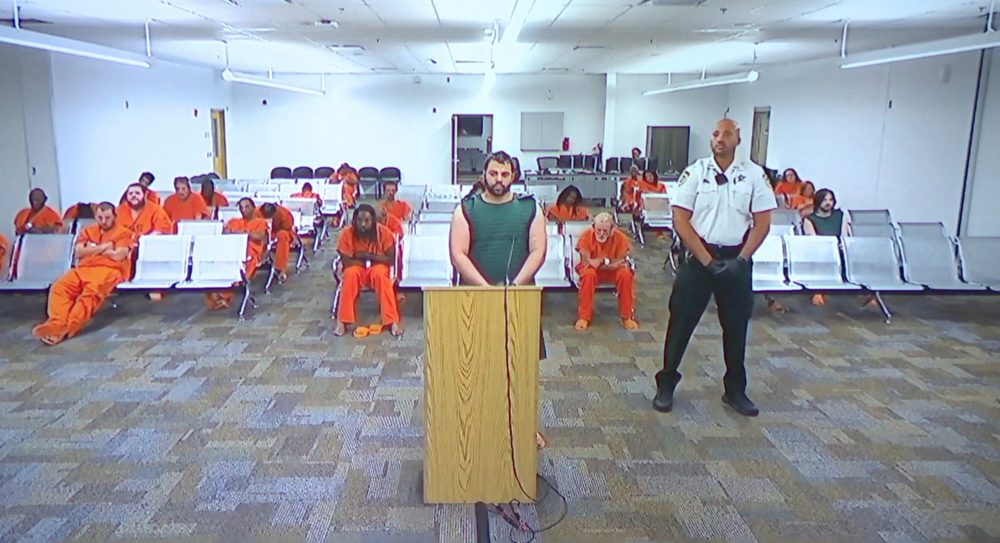

TAMPA, Fla. — A disturbing new development has emerged in the murder case of two University of South Florida doctoral students, as court documents reveal the accused killer consulted ChatGPT about disposing of human remains before the victims vanished.
The case centers around 26-year-old Hisham Abugharbieh, who authorities believe killed his roommate Zamil Limon and Limon’s girlfriend Nahida Bristy, both Bangladeshi graduate students who disappeared on April 16. Limon’s remains were discovered Friday beneath a bridge, while a second body found in nearby waters has yet to be officially identified.
Court filings submitted by prosecutors over the weekend reveal that Abugharbieh’s search history with the AI chatbot has become crucial evidence in the case. According to the documents, he posed multiple disturbing questions to the artificial intelligence system about firearms and body disposal methods in the days leading up to the students’ disappearance.
The suspect now faces two counts of first-degree premeditated murder with a weapon and remains in custody without bail following Tuesday’s court hearing.
The prosecution’s pretrial detention filing details a chilling timeline of Abugharbieh’s interactions with ChatGPT both before and after the victims went missing.
Prior to April 16, court records show Abugharbieh inquired about the consequences of placing human remains in trash bags and disposing of them in dumpsters. He also questioned whether his vehicle’s identification number could be altered and asked about keeping firearms at home without proper licensing. The AI system reportedly responded that his inquiries seemed dangerous.
Following the students’ disappearance on April 16, Abugharbieh continued his disturbing queries. Three days later, he asked ChatGPT about surviving gunshot wounds to the head and whether neighbors would hear gunshots. On April 23, he searched for the meaning of “missing endangered adult.”
Law enforcement officials can access AI chatbot conversations just like text messages, emails, and traditional internet search records during criminal investigations.
OpenAI representative Drew Pusateri stated Tuesday that the company is examining the reports regarding Abugharbieh and pledged full cooperation with law enforcement’s investigation.
This cooperation follows another probe launched by Florida Attorney General James Uthmeier, who announced last week that his office opened a criminal investigation into whether ChatGPT provided assistance to a gunman responsible for killing two people and injuring six others at Florida State University.
Uthmeier revealed that prosecutors reviewed chat logs between ChatGPT and the alleged shooter, Phoenix Ikner, to determine if the AI application helped plan or advise the attack. Investigators believe the chatbot provided Ikner with guidance on weapon selection, ammunition types, effective shooting ranges, and optimal timing and locations to maximize casualties.
OpenAI representative Kate Waters acknowledged the FSU shooting as tragic but denied company responsibility. She emphasized that the company voluntarily provided information to authorities and maintains ongoing cooperation with investigators.
“In this case, ChatGPT provided factual responses to questions with information that could be found broadly across public sources on the internet, and it did not encourage or promote illegal or harmful activity,” Waters explained in an email statement last week.
Uthmeier announced Monday that his office would expand the FSU shooting investigation to include Abugharbieh’s case, describing the inquiry as “uncharted territory.”
However, similar criminal cases and civil lawsuits nationwide have already explored questions about AI technology’s role in criminal activity and the potential mental health risks posed by chatbots.
Last month, a father filed a wrongful death lawsuit against Google following his son’s suicide, joining a growing number of legal challenges against AI developers that highlight the mental health dangers of chatbot interactions.
Earlier, in late 2023, OpenAI faced a lawsuit over its alleged involvement in the murder of an 83-year-old Connecticut woman by her son, with plaintiffs claiming the company’s chatbot worsened the son’s “paranoid delusions” before he killed his mother and took his own life.
In another recent criminal case, prosecutors in March presented dozens of messages between former New York Jets linebacker Darron Lee and ChatGPT while building their case in the death of Lee’s girlfriend, Gabriella Perpetuo, who was found dead in their Tennessee residence. Hours before Perpetuo’s body was discovered, prosecutors said Lee asked the chatbot whether certain injuries could appear to result from accidental falls, among other suspicious inquiries.