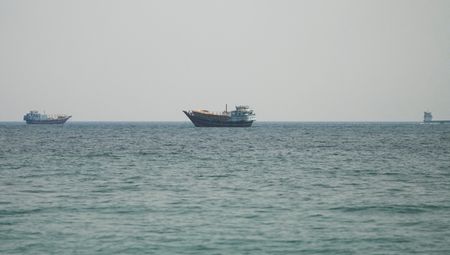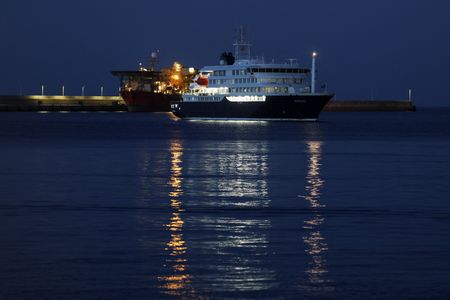

Spain’s health minister announced that the final group of passengers will be removed Monday from a Dutch luxury cruise vessel where a fatal hantavirus outbreak has claimed three lives and infected multiple travelers.
Two evacuation flights are scheduled to depart from Spain’s Tenerife island – one Australian aircraft will transport six passengers while a Dutch flight will carry 18 individuals. Both planes will also accommodate travelers from nations that did not arrange their own rescue missions, according to Spanish officials.
World Health Organization data from Friday indicates eight former ship passengers have become ill, with six cases officially confirmed as hantavirus infections. The fatalities include a married couple from the Netherlands and one German citizen.
U.S. health officials revealed Sunday that among 17 Americans being brought home, one person has tested positive for the Andes variant of the virus while another individual is showing mild symptoms. France’s health minister separately confirmed a French passenger contracted the virus and is experiencing worsening health conditions. It remains unclear whether these cases are part of the WHO’s reported six confirmed infections.
The MV Hondius carried 147 passengers and crew members when health authorities first learned of a cluster of serious respiratory cases on May 3. By that time, 34 additional passengers had already left the ship, which began its journey from Argentina in March with Antarctic stops and other destinations before traveling north toward Cape Verde’s waters off Africa’s west coast. The vessel was temporarily detained there last week once news of the health crisis broke.
Health officials in Johannesburg first identified the outbreak on May 2 while treating a British passenger who required intensive care after leaving the ship. This discovery came approximately three weeks after another traveler had died. The virus typically spreads through rodent contact but can occasionally transmit between people during close contact situations.
The cruise ship departed Cape Verde waters Wednesday bound for Spain’s Canary Islands after the WHO and European Union requested Spanish authorities coordinate passenger evacuations following the outbreak confirmation.
Aircraft departed Tenerife over Sunday and Monday carrying passengers to Canada, the Netherlands, Turkey, France, Britain, Ireland, and the United States. Some travelers were also transported to Madrid for processing.
All evacuated passengers will undergo testing upon arrival and will either be hospitalized, placed in quarantine facilities, or sent home for isolation monitoring.
WHO’s epidemic and pandemic management director Maria Van Kerkhove announced during a briefing that the organization recommends a 42-day quarantine period for all ship passengers beginning Sunday.
Thirty crew members will stay aboard the vessel as it sails to the Netherlands Monday evening, where comprehensive disinfection procedures will take place.
Health authorities are urging public calm, emphasizing to communities still affected by COVID-19 memories that this virus poses significantly less transmission risk and minimal danger to general populations.
“This is not COVID and we don’t want to treat it like COVID,” acting U.S. CDC Director Jay Bhattacharya told CNN Sunday, explaining that the 17 American passengers can choose between home isolation or quarantine at a Nebraska facility.
Spain’s health ministry similarly minimized broader population risks while noting that no rodents were found on the cruise ship.