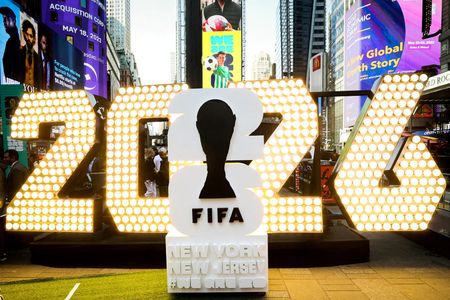

Soccer fans across India and China may find themselves unable to watch the upcoming World Cup as FIFA encounters significant hurdles securing television broadcast agreements in both nations.
According to sources familiar with the negotiations, a joint venture between Reliance and Disney has presented FIFA with a $20 million bid for India’s 2026 World Cup broadcasting rights. However, this offer represents only a small portion of what FIFA considers acceptable compensation, leading to an ongoing standoff between the parties.
Sony, another major player in India’s media landscape, reportedly held discussions but ultimately chose not to submit any proposal for the FIFA broadcasting package, according to an industry insider with direct knowledge of the situation.
The situation in China remains equally uncertain, with no official broadcast deal announcement despite the country representing nearly half of all digital and social media viewing hours during the previous World Cup in 2022.
Neither FIFA, the Reliance-Disney partnership led by billionaire Mukesh Ambani, nor Sony provided responses to requests for comment regarding the ongoing negotiations.
This timing presents an unusual challenge for FIFA, as previous tournaments saw agreements finalized well ahead of kickoff. During both the 2018 and 2022 World Cups, China’s state broadcaster CCTV had secured rights months in advance and was already running promotional materials and sponsor advertisements weeks before the events began.
The numbers highlight the significance of these markets for FIFA’s global reach. China represented 17.7% of worldwide linear television viewership for the 2022 tournament, while India accounted for 2.9%. Combined, both countries made up 22.6% of total global digital streaming audience for that World Cup.
With the 2026 tournament beginning June 11, FIFA has approximately five weeks remaining to finalize agreements, establish broadcast infrastructure, and allow partners to sell advertising space.
Sources indicate FIFA initially requested $100 million for combined broadcasting rights covering both the 2026 and 2030 World Cups in India. This represents a significant increase from the roughly $60 million that Reliance’s previous media division paid for 2022 rights, which were secured 14 months before that tournament in Qatar and ultimately attracted over 110 million digital viewers.
The merger between Reliance and Disney has created a media powerhouse in India’s entertainment and streaming sectors, potentially strengthening their negotiating position. While FIFA has reportedly reduced its initial $100 million asking price, the organization remains unsatisfied with Reliance’s $20 million counteroffer, according to one source.
The Reliance-Disney partnership, which has invested heavily in cricket broadcasting rights, believes World Cup viewership will be lower in India due to the tournament’s North American location across the United States, Canada, and Mexico. Most matches will air after midnight in India, potentially limiting audience size.
China boasts approximately 200 million soccer enthusiasts, more than any other nation, though the country has struggled to develop competitive international teams due to structural issues in player development and selection processes.
An industry source noted that soccer lacks the commercial appeal of cricket, India’s most popular sport, and recent advertising market slowdowns related to regional conflicts have further dampened revenue projections.
“Football is a niche segment in India,” explained the source.
Sony, which operates television channels and streaming services in India, determined that purchasing FIFA’s broadcast rights would not provide adequate financial returns for the company, according to a third industry insider.
Rohit Potphode, managing partner for sports at advertising agency Dentsu India, offered an optimistic perspective on the timeline: “Not much time is left but I won’t call it a stalemate. It’s more like we are at the end of a chess game with a couple of moves left.”