
A lifelong American citizen from New Hampshire discovered firsthand how new voting requirements can turn a simple civic duty into a stressful ordeal.
Joshua Bogdan, 31, had never left the United States except for a brief school trip to Canada in seventh grade. Yet when he showed up to vote in Portsmouth’s local elections last fall, his driver’s license wasn’t enough.
Poll workers informed him that New Hampshire’s recently implemented citizenship verification law required additional documentation since he had relocated and needed to re-register. Instead of his usual driver’s license, he would need either a passport or birth certificate.
“I didn’t know that anything had officially changed walking in there,” Bogdan explained. “And then being told that I had to provide a passport that I’ve never had or a birth certificate that’s usually tucked away somewhere safe just to cast my vote — which I’ve done before — it was frustrating.”
This scenario could become reality for voters nationwide if Congress approves the Safeguard American Voter Eligibility Act, known as the SAVE America Act. The legislation cleared the House last month along party lines and is scheduled for Senate consideration next week.
While Republican supporters emphasize the bill’s photo identification requirements, the citizenship documentation mandate represents the most significant change. President Trump has endorsed these measures as common-sense safeguards, though noncitizen voting in federal elections is already illegal and extremely rare.
The documentation requirements proved problematic when Kansas attempted similar measures a decade ago. Courts eventually struck down those rules after more than 30,000 eligible citizens were blocked from registering.
Rebekah Caruthers, who leads the Fair Elections Center, warned the legislation could undermine democratic participation.
“If this bill passes, it would deny millions of eligible Americans their fundamental freedom to vote,” she stated via email. “This includes millions of people who make up your communities, including married women, people of color and voters who live in rural areas.”
The approved documents list appears extensive but contains numerous restrictions. Enhanced REAL ID licenses indicating citizenship are only available in five states: Michigan, Minnesota, New York, Vermont and Washington. Regular driver’s licenses typically don’t specify citizenship status, though some states like Ohio have recently added such indicators.
Military identification cards require additional service records showing U.S. birth, but standard discharge documents don’t include birthplace information according to Pentagon officials.
The legislation includes no transition period, meaning requirements would take effect immediately for this year’s midterm elections if enacted.
University of Maryland researchers estimate 21.3 million eligible voters lack easy access to citizenship documents, including nearly 10% of Democrats, 7% of Republicans, and 14% of unaffiliated voters.
Passports represent the most straightforward option, but only half of American adults possess current ones. Expired passports don’t qualify under the proposed law.
Recent State Department changes eliminated passport processing at certain public libraries, though government facilities, post offices and county clerks continue providing services. Standard processing takes four to six weeks plus mailing time, with new passports costing $165 and renewals $130. Expedited service adds $60 to $82 in fees.
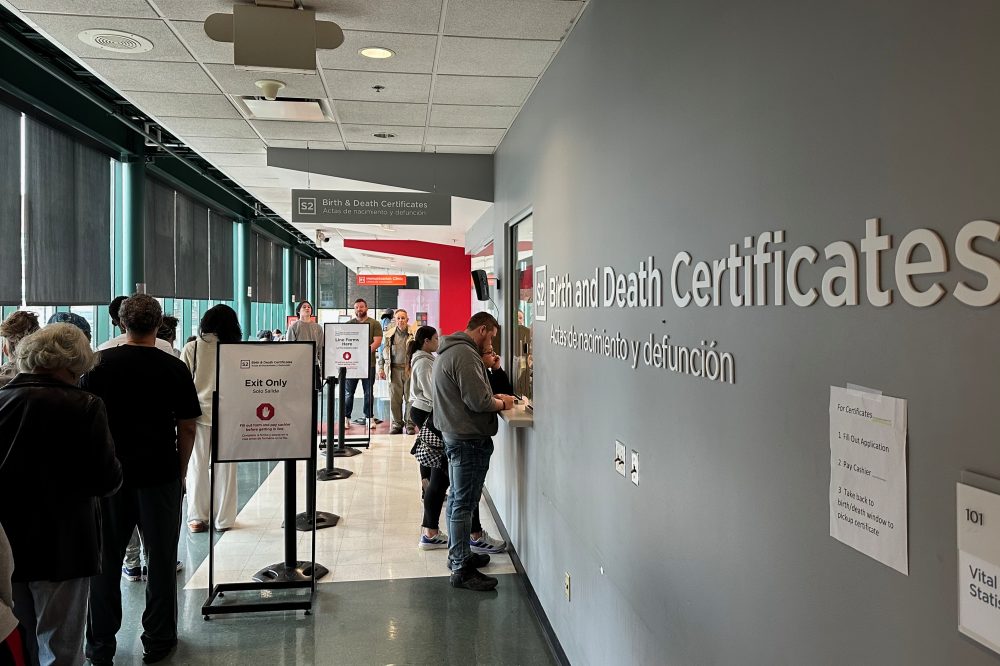
Birth certificates offer a potentially faster alternative, but the law requires certified copies from government agencies, not hospital-issued documents given to new parents. Processing times vary dramatically by state, from three days to 12 weeks. New York currently has a four-month backlog.
Women who changed names after marriage would likely need additional documentation to connect their birth certificates with current identification. Pew Research found approximately 80% of women in heterosexual marriages adopt their husband’s surname.
The federal legislation provides no funding to help states implement or publicize these changes.
Bogdan ultimately voted because he had recently retrieved his birth certificate to apply for a REAL ID. However, he noted poll workers seemed unfamiliar with exceptions for voters with previous registration history in the state.
“Young voters like myself don’t always carry around our birth certificate, Social Security card, all that important stuff, because it’s not used ever or very often,” he observed. “And so all those young kids who are going to go out and try and vote will be held back from that.”