
WASHINGTON — Federal officials have shifted their approach toward higher education, moving away from targeting individual campuses to proposing sweeping regulatory changes that would impact universities across the nation.
Over the past year, the administration launched numerous investigations into college campuses and threatened to withdraw federal funding from institutions that didn’t align with the Republican president’s political objectives. Now, officials are pursuing broader regulatory reforms that would affect thousands of schools simultaneously.
“We’re coming over the higher education system and course correcting,” Nicholas Kent, undersecretary for the Education Department, told the Associated Press. He explained that unlike probes focusing on specific campuses, this new strategy has the capability “to affect 6,000 institutions.”
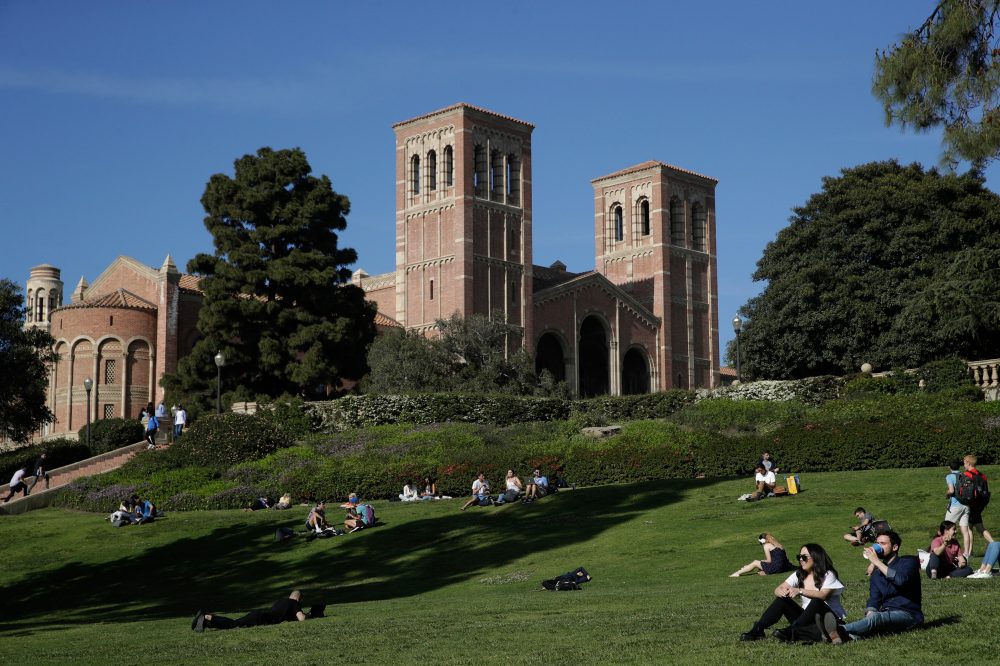
This tactical change follows court decisions that prevented the administration from implementing severe financial penalties against Harvard and the University of California, Los Angeles. The shift also comes after numerous civil rights attorneys who typically oversee university investigations left their positions. Despite these setbacks, the president continues his effort to eliminate what he describes as “wokeness” run amok in academia.
The regulatory approach targets similar issues previously addressed through investigations, including diversity, equity and inclusion programs, transgender athletes, antisemitism, and various practices viewed as anti-white discrimination.
A new Education Department proposal would restructure the accreditation system that determines which colleges qualify for federal funding. The plan would mandate that accreditors ensure colleges maintain “intellectual diversity,” which represents a coded request for increased conservative representation.
Higher education officials express concern about a proposal from the Office of Management and Budget requiring agencies to confirm federal grants “advance the President’s policy priorities.” Officials would verify grants aren’t supporting DEI initiatives, “anti-American values,” or anything rejecting “the sex binary in humans,” according to last week’s proposal. An OMB spokesperson stated the rule promotes transparency.
The General Services Administration has proposed another rule requiring federal grant recipients, including universities and their contractors, to verify they don’t maintain DEI policies the administration considers illegal.
The Education Department has introduced at least 11 new proposed regulations, including one designed to “streamline the process” for reducing funding to schools violating the administration’s civil rights law interpretations.
Creating federal regulations involves months of bureaucratic debate and procedures. However, unlike previous strategies that pushed presidential authority limits, the rulemaking process represents an established method for implementing federal policy without congressional approval.
Some higher education leaders view this change positively. Ted Mitchell, president of the American Council on Education representing college and university presidents, said the new approach allows for dialogue, unlike last year’s confrontational tactics.
“We’re playing a game that has rules and referees, and that’s good,” said Mitchell, a former Education Department official under President Barack Obama, a Democrat. “It gives us an opportunity to talk about where we might agree with the administration. That was impossible to do when these were just straight-on attacks.”
Meanwhile, the Education and Justice departments have announced fewer higher education investigations, releasing statements about roughly a dozen at U.S. universities this year. During the same period last year, they announced more than 70, according to AP analysis. The precise number of new investigations remains unclear since a public database hasn’t been updated since January 2025.
Kent stated the Education Department will continue opening investigations when necessary, describing it as using a “scalpel to cut out the bad.” He noted that colleges have begun complying with the administration’s priorities.
“Folks realize that it’s a new day and that we’re paying attention,” Kent said.
Most investigations launched last year remain active. The White House reached agreements with Columbia, Brown, and several other institutions, but most cases remain unresolved without public updates for months.
Catherine Lhamon, who directed the Education Department’s Office for Civil Rights under President Joe Biden, a Democrat, characterized the investigation surge as “performance art” that attracted attention but achieved little impact. She believes the administration is retreating after facing school resistance.
“It stopped putting itself in a position to lose,” said Lhamon, who currently leads the Edley Center on Law and Democracy at the University of California, Berkeley.
However, some conflicts have escalated. The White House has intensified battles with Harvard and UCLA after federal judges prevented the administration from eliminating research funding from these campuses.
The Justice Department has filed four lawsuits against Harvard and UCLA since February, claiming both institutions permitted antisemitism and that Harvard withheld admissions data requested by the administration. Leadership at both universities maintains they have actively combated antisemitism.
A White House official attributed the investigation reduction partly to increased focus on college admissions. The administration has been developing cases against colleges allegedly considering race in admissions decisions despite the Supreme Court’s affirmative action ruling. These investigations require more time due to extensive data collection needs, according to the official who spoke anonymously about internal strategy.
Some of these cases are now producing results.
The Justice Department recently determined that medical schools at Yale and UCLA discriminated against white and Asian American students by supposedly preferring Black and Latino applicants. The universities have defended their admissions procedures, maintaining they were thorough and merit-based.
Officials are taking an uncompromising stance against any racial consideration in admissions, conflicting with colleges that allow students to discuss their race in application essays. In its 2023 ruling, the Supreme Court indicated schools could consider how applicants’ race relates to broader qualities.
“We are making sure,” Kent said, “that we are elevating our best and our brightest and that we’re not putting the thumb on the scale because of somebody’s skin color.”
Facing last year’s aggressive campaign, many campuses quietly implemented changes to avoid scrutiny. Some eliminated DEI offices. The NCAA moved to restrict transgender athletes. Universities from UCLA to Columbia strengthened campus protest policies after pro-Palestinian demonstrations became subjects of federal investigations.
Research has been reduced as leading schools face ongoing funding cuts.
In classrooms, there’s been a chilling effect as professors worry that their words or teachings could draw federal attention, said Todd Wolfson, president of the American Association of University Professors.
Still, he remains optimistic that the power balance is shifting toward universities. Students and faculty at several campuses built pressure to reject a White House invitation last fall to endorse aspects of the president’s agenda in exchange for favorable research funding access, he said. The AAUP has filed several lawsuits against the administration, including one that halted funding cuts at UCLA.
“The sector is getting its feet under it, and it’s only getting stronger,” Wolfson said. “I can promise you that we will fight them tooth and nail.”