
A federal judge in New York has ordered Paramount and Warner Bros. Discovery to put the brakes on their proposed $81 billion merger for no fewer than two weeks, giving a coalition of states that are fighting the deal more time to make their case before a court.
Twelve states, with California taking the lead, filed a lawsuit last week seeking to stop Paramount’s planned acquisition of Warner. The states argue the combination would “extinguish competition” in the entertainment industry and leave consumers — especially moviegoers and cable subscribers across the country — with fewer options.
The states’ attorneys general had asked both companies to hold off on finalizing the transaction until a court could “fully evaluate” the legal claims against it. When the companies declined, the states sought a temporary restraining order, which District Judge Araceli Martínez-Olguín granted on Monday. That ruling also opens the door for the states to pursue a preliminary injunction that could more permanently block the deal.
California Attorney General Rob Bonta celebrated the decision, saying in a statement: “This is a critical first win in our case to ensure this megamerger never sees the light of day. History tells the tale of what happens when a few people have great power over markets that are central to Americans’ lives: fewer opportunities for more people, worse products and services for all people.”
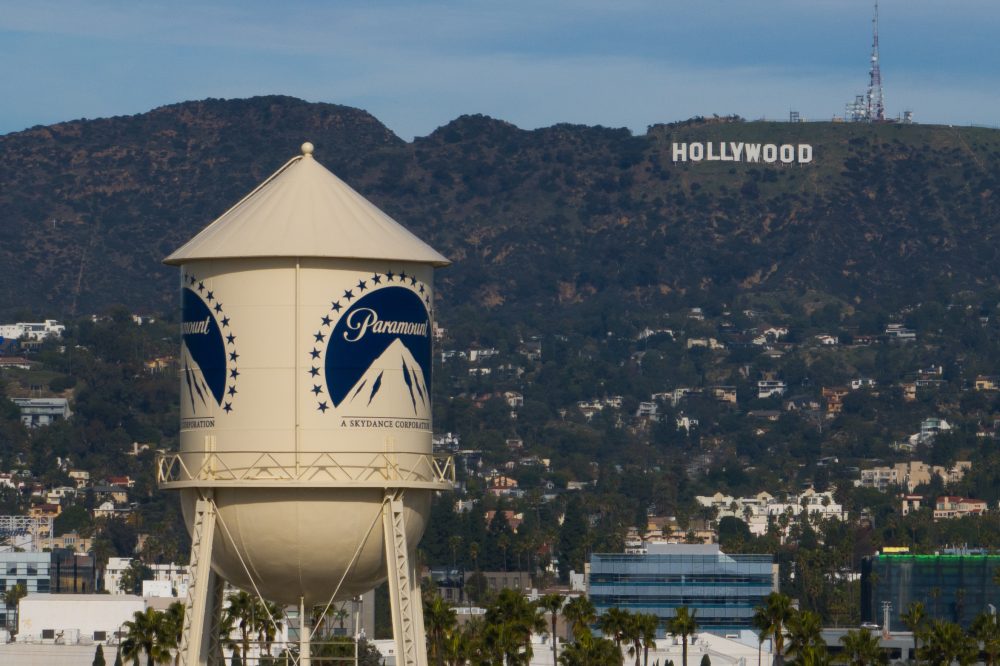
If completed, the merger would unite two of Hollywood’s five remaining legacy studios, along with a wide array of television networks, streaming content libraries, and news divisions. The combined entity would bring Warner’s HBO Max, properties like “Harry Potter,” and CNN together under the same umbrella as Paramount-owned CBS, films such as “Top Gun,” and the Paramount+ streaming platform.
Paramount did not respond to requests for comment following Monday’s ruling. The company, which was acquired by Skydance just last year, has previously pledged to “vigorously defend” its Warner acquisition. Paramount has called the states’ legal complaint “wrong on both the facts and the law,” insisting the merger would actually strengthen its ability to compete against larger entertainment rivals. The company has also pointed to regulatory approvals it has received in other jurisdictions, including a green light from the administration of President Donald Trump last month.
Monday’s temporary restraining order freezes the deal for at least 14 days, though that pause could stretch to as long as 28 days. A hearing on the states’ preliminary injunction request has been scheduled for August 3, though that date may also shift.
Time is a significant factor in this dispute. Many observers had expected Paramount and Warner to attempt to close the deal as early as this week. Before Monday’s ruling, the two companies had proposed completing a preliminary injunction hearing by the end of August, leaving room for a possible appeal before September 30 — a deadline that looms large for Paramount because it has committed to paying shareholders an additional roughly $7 million per day in “ticking fee” compensation if the deal remains unclosed by that date.
The states pushed back on that proposed timeline, calling it both unprecedented and unfair. They argued that any financial penalties Paramount might face after September 30 were the result of commitments the company chose to make on its own. The states contended during a Friday hearing that beginning a trial in April 2027 would provide adequate time for discovery and the presentation of evidence.
When accounting for billions of dollars in debt, the total value of Paramount’s proposed purchase of Warner comes to approximately $111 billion based on outstanding shares.
Joining California in the lawsuit are Arizona, Colorado, Connecticut, Massachusetts, Minnesota, Nevada, New Jersey, New Mexico, New York, Oregon, and Washington. The Writers Guild of America is also separately suing to stop the merger from moving forward.