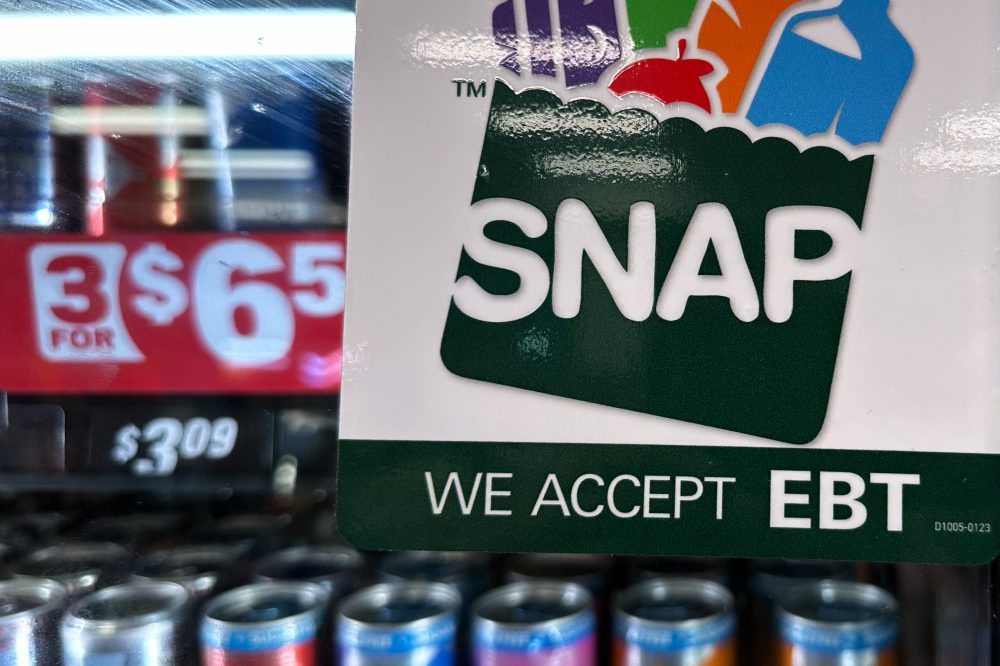

A federal judge has ruled that the government does not have the legal authority to prevent recipients of the nation’s largest food assistance program from spending their benefits on candy, soda, and other sugary beverages.
The ruling, issued Monday, effectively kills restrictions that were already active or in the pipeline across 23 states participating in the federally funded, state-administered Supplemental Nutrition Assistance Program, commonly known as SNAP. The Trump administration has not announced whether it plans to take the matter to a higher court.
U.S. District Judge Amy Berman Jackson, based in Washington and appointed to the federal bench by former President Barack Obama, made clear that her decision was not a judgment on whether the restrictions themselves were a good idea.
In her written opinion, she stated: “The federal defendants and the states may have a genuine desire to improve the health of SNAP households by encouraging healthy choices at the store, and they can take lawful steps to meet those goals. But what they cannot do is violate the law and their own regulations along the way.”
Agriculture Secretary Brooke Rollins and Health and Human Services Secretary Robert F. Kennedy Jr. had been pushing states to tighten restrictions on what SNAP benefits could purchase, as part of the “Make America Healthy Again” initiative. Their argument was that sodas and candy contribute to obesity, diabetes, and other chronic health problems, and that removing them from the list of eligible purchases would nudge people toward healthier options.
The Agriculture Department had granted permission to 23 states to move forward with such restrictions, some of which were already in effect while others were scheduled to take effect in the coming months and years.
At least one state reversed course before the ruling came down. Colorado’s human services board voted earlier this year to abandon the ban following a March hearing at which SNAP recipients and advocacy groups raised concerns. They argued that people could face embarrassment if they accidentally tried to purchase restricted items, and that the rules were difficult to understand — for example, drinks containing at least 50% fruit or vegetable juice would have been allowed, while those with lower juice content would not.
The specific rules differed from state to state. Some sought to ban both sugary drinks and candy, while others focused only on beverages. In certain states, items like sports drinks were also included in the proposed restrictions.
The legal challenge was brought by SNAP recipients living in Colorado, Iowa, Nebraska, Tennessee, and West Virginia.
Judge Jackson determined that the core legal problem with the restrictions was that they contradicted how Congress has defined the word “food” under the law. Under current statute, SNAP benefits — formerly called food stamps — may be used for “any food or food product for home consumption except alcoholic beverages, tobacco, hot foods or hot food products ready for immediate consumption.”
While the law does allow for certain requirements to be waived, improving nutrition is not listed as a valid reason to do so. Nevertheless, when states submitted requests to the Agriculture Department to limit purchases, those requests relied on alternate definitions of “food” — a move the judge found legally problematic.
The Agriculture Department has not stated whether it intends to appeal.
This case is one of many legal battles over Trump administration policies that center on whether the executive branch can change programs without first getting approval from Congress.
SNAP is one of the country’s biggest safety net programs, helping nearly 39 million Americans — roughly one in nine — afford groceries. The program has faced unusual scrutiny since President Trump returned to the White House. Under a sweeping tax and policy law signed last year, more SNAP recipients are now subject to work requirements, and states must cover a larger portion of administrative costs. States with high error rates could also be held responsible for benefit costs.
During a government shutdown last year, courts stepped in to block the administration from cutting off benefits entirely. Agriculture Secretary Rollins has also claimed that widespread fraud exists within the program.