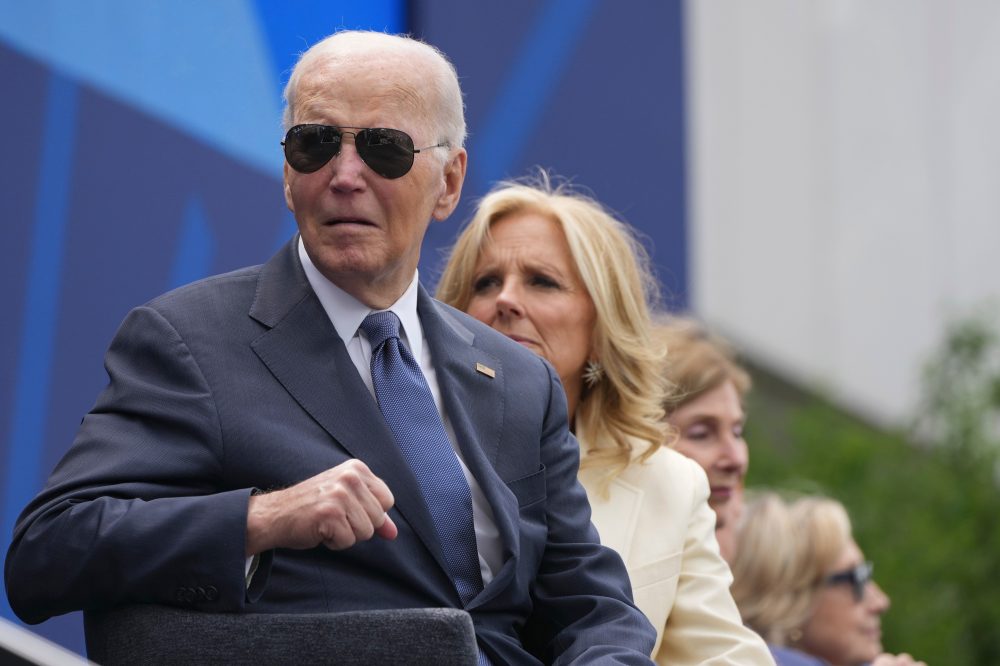

A federal judge on Friday turned down former President Joe Biden’s legal effort to stop the Trump administration from handing over audio recordings — made between Biden and a ghostwriter — to a conservative organization.
U.S. District Judge Dabney Friedrich ruled that the public’s interest in accessing the material was greater than any privacy rights Biden could claim.
The recordings were gathered by special counsel Robert Hur during his investigation into whether Biden had improperly held onto classified documents from his time as a senator and vice president. After Hur chose not to bring charges against Biden, congressional Republicans pushed hard for access to the recordings.
During Biden’s time in office, his Democratic administration refused to hand over the 2017 recordings and their transcripts. That refusal led congressional Republicans to hold his attorney general, Merrick Garland, in contempt of Congress.
The current administration under President Donald Trump later authorized the release of those materials. In response, Biden filed a lawsuit last month to prevent the records from being turned over to a staffer at the conservative Heritage Foundation, who had formally submitted a request for them.
Biden argued the release would be a violation of his privacy, saying the recordings contained discussions of deeply personal subjects — including the death of his older son, Beau Biden. However, Judge Friedrich found that the administration had already redacted that sensitive content.
In her written ruling, Friedrich stated that the materials “contain no mention of highly sensitive topics like illness or death, nor do they mention any non-public persons, including members of Biden’s family.”
Representatives for Biden did not immediately offer a public response, but they did ask Friedrich to put the release on hold while they pursue an appeal. The Justice Department also did not respond to a request for comment by press time.
Judge Friedrich was originally nominated to the federal bench by Trump, a Republican, in 2017.