
A federal immigration agent is facing criminal charges for assault and property damage after allegedly using a chokehold on a demonstrator during a protest in Colorado, according to prosecutors.
Bystander videos captured the October incident showing a masked federal agent dragging protester Franci Stagi across a street during a demonstration opposing the detention of three Colombian asylum-seekers in Durango, Colorado. Stagi alleges the officer grabbed her hair and applied a chokehold before throwing her down an embankment. Colorado has banned such restraint techniques since George Floyd’s 2020 death.
The Colorado Bureau of Investigations opened a probe into the agent’s conduct after Durango Police Chief Brice Current requested the inquiry, citing potential state law violations – a rare move involving federal officers.
U.S. Customs and Border Protection, which has opened its own internal investigation, received requests for comment about the charges against Officer Nicholas Rice but has not yet responded. Court filings do not identify legal representation for Rice.
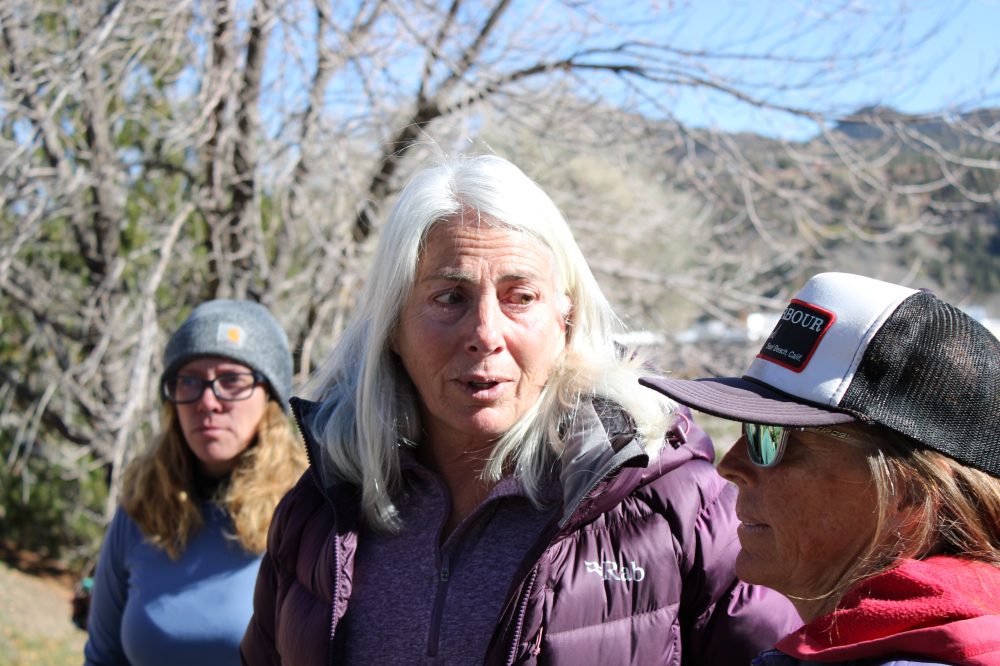
According to Stagi, she was recording the officer outside the Immigration and Customs Enforcement building in the outdoor recreation hub when he struck her hand forcefully, causing her to drop her phone. The retired hypnotherapist said she then touched the officer’s shoulder to get his attention before the alleged chokehold incident occurred. She reports ongoing arm pain that interferes with daily tasks like putting on clothing.
Charging documents accuse Rice of third-degree assault for causing physical harm to Stagi, though they do not detail her injuries or reference the chokehold allegations. Rice also faces criminal mischief charges for allegedly destroying Stagi’s mobile device.
Stagi expressed disappointment Wednesday that Rice received lesser charges. The misdemeanor assault count carries a maximum penalty of nearly one year behind bars. However, she hopes the case demonstrates that immigration agents cannot use unreasonable force against civilians.
“It did open my eyes to how quickly I can be under someone else’s control, and it’s frightening,” said Stagi, whose full legal name is Anne Francesca Stagi.
Federal agents typically enjoy extensive legal immunity while performing official duties, and the Justice Department has recently opposed state attempts to prosecute federal personnel. Deputy Attorney General Todd Blanche declared such arrests “illegal and futile” last year, referencing constitutional supremacy principles. Legal scholars note these protections are substantial but not unlimited.
Chokehold restrictions have become central to police reform discussions since Eric Garner’s 2014 death in New York after an officer applied the technique to the Black man.
Garner’s final words, “I can’t breathe,” became a Black Lives Matter movement rallying cry.
Though some states have prohibited chokeholds and similar tactics, comprehensive reform efforts have faced opposition.
Federal legislation banning chokeholds nationwide cleared the House in 2021 but never reached then-President Biden for signature. The measure honored Floyd, who died in Minneapolis when an officer knelt on his neck.
Colorado legislators banned chokeholds within weeks of Floyd’s death as part of comprehensive police reform measures. The new law strengthened weaker chokehold limitations enacted four years prior.