
Federal authorities have reached a settlement agreement with an Indian energy mogul accused of misleading investors about a massive corruption scheme involving his company’s solar power operations, according to legal documents made public Thursday.
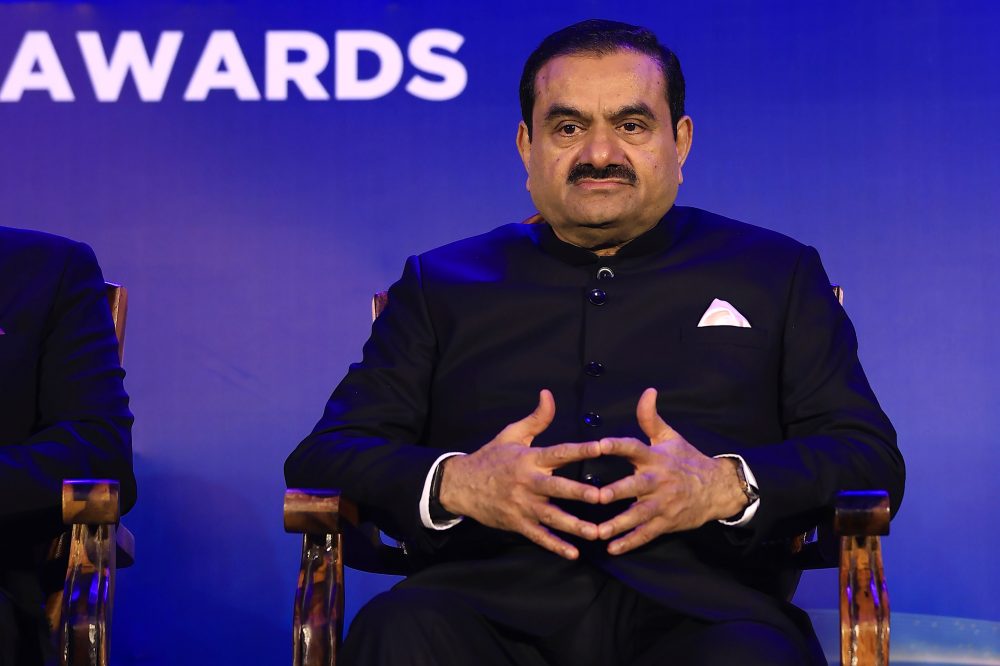
The Securities and Exchange Commission filed charges in late 2024 against Indian billionaire Gautam Adani and his nephew Sagar Adani, who both lead Adani Green Energy Limited. Regulators alleged the pair committed to paying Indian government officials hundreds of millions of dollars worth of bribes in return for energy purchase contracts at artificially high prices.
During this same period, the energy firm raised billions from Wall Street investors who were reportedly told the company maintained strong anti-corruption policies and received guarantees from top executives that no bribes would be paid.
Federal regulators stated these actions breached antifraud sections of U.S. securities regulations.
Settlement documents reveal Gautam Adani has agreed to pay $6 million in civil fines, while his nephew will pay $12 million. The proposed agreement does not require either party to admit wrongdoing.
The Adani Group rejected the accusations when they were first made, describing them as without merit. Legal representatives for both men did not respond to requests for comment Thursday.
Both individuals face criminal charges filed in late 2024 in New York for securities fraud and conspiracy to commit securities and wire fraud. The New York Times and Bloomberg reported Thursday that these criminal charges will likely be dismissed. Federal prosecutors in the Eastern District of New York did not respond to inquiries from The Associated Press.
The decision to dismiss charges appeared to be influenced by developments following President Donald Trump’s election to a second term and Gautam Adani’s public praise of the president.
In March 2025, Trump suspended enforcement of the Foreign Corrupt Practices Act, which prohibits overseas business bribes, leading some in India to believe the Adanis’ legal troubles were severely weakened.
Gautam Adani built his influence in the world’s largest country by developing a coal business empire during the 1990s.
The Adani Group eventually expanded into multiple sectors, making investments in critical areas including renewable energy, defense and agriculture.
Operating under the motto “Growth with Goodness,” the company developed a clean energy portfolio exceeding 20 gigawatts, featuring one of the globe’s largest solar installations in Tamil Nadu state.
The Adani Group previously aimed to become India’s dominant renewable energy company by 2030, planning to spend $70 billion on clean energy developments by 2032.
Adani’s strong connections to the government and Prime Minister Narendra Modi have drawn criticism, while U.S.-based Hindenburg Research has alleged the company engaged in “brazen stock manipulation” and “accounting fraud.”
The Adani Group dismissed these accusations as “a malicious combination of selective misinformation and stale, baseless and discredited allegations.”
Following the announcement of the Brooklyn case, Kenya’s president terminated multimillion-dollar agreements with the Adani Group covering airport upgrades and energy initiatives. Adani Green Energy pulled out of wind energy developments in Sri Lanka after the country requested price renegotiations. A major French oil company also halted new investments.
Industry experts believe a crucial element in Adani’s rapid expansion has been his ability to match his company’s objectives with the Modi administration’s goals. Critics claim he benefits from crony capitalism and receives special government treatment, including in contract awards, which the Adani Group has disputed.