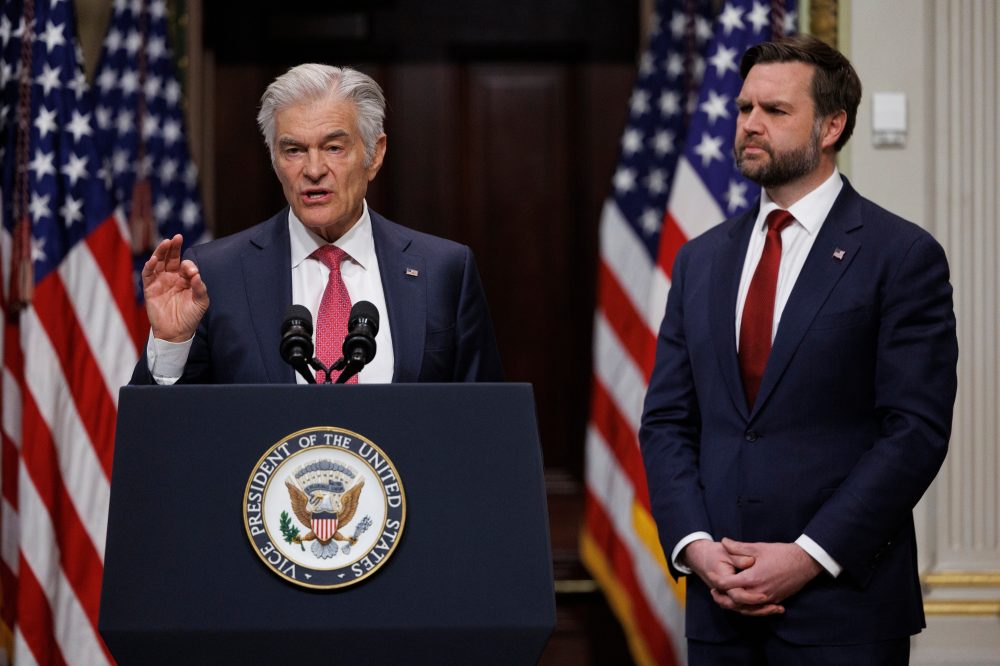

Federal health officials announced Wednesday they are implementing a nationwide six-month suspension of new Medicare enrollments for hospice and home health care providers as part of an expanded effort to combat fraud in government health programs.
The temporary ban will prevent any new providers in these sectors from joining Medicare’s reimbursement system during the moratorium period, according to an announcement from the Centers for Medicare and Medicaid Services.
“We’ve seen systemic and deeply troubling fraud in the hospice and home health space, with bad actors exploiting some of our most vulnerable Medicare patients and stealing money from the American taxpayer,” CMS Administrator Dr. Mehmet Oz said in a statement. “Today we’re shutting the door on fraud-preventing new bad actors from entering Medicare while we aggressively identify, investigate, and remove those already exploiting them.”
The action stems from an anti-fraud initiative led by Vice President JD Vance’s task force, which President Trump established to combat misuse of taxpayer dollars. The announcement comes amid nationwide concerns about increasing healthcare costs and access challenges, some resulting from federal policy changes. New Medicaid work requirements are anticipated to burden hospitals nationwide and cause millions to lose health insurance coverage.
While numerous fraud cases have been pursued in hospice and home healthcare sectors, and states recognize legitimate concerns exist, some officials have criticized the administration’s aggressive approach. They worry these broad measures might unfairly impact legitimate providers working to serve patients.
Federal officials argue this suspension and related measures will help prevent Medicare and Medicaid fraud while protecting resources for those who need them most. Current hospice and home health providers will continue normal operations during the pause, but CMS plans to “intensify targeted investigations, deploy advanced data analytics, and accelerate the removal” of providers suspected of fraudulent practices.
Such enrollment freezes have precedent, according to Tricia Neumann, a senior vice president and executive director for Medicare policy at healthcare research organization KFF. She noted that President Clinton’s administration also implemented a temporary home health agency moratorium.
“A brief moratorium gives the administration time to crack down on true fraud and prevent new fraudulent entities from popping up,” she said.
Recently, CMS has suspended payments to hundreds of Los Angeles hospice and home care agencies due to suspected fraud and implemented another six-month moratorium on durable medical equipment, prosthetics, orthotics and related supply providers in Medicare.
The administration has also launched investigations into potential healthcare fraud in at least five states and suspended approximately $243 million in Medicaid payments to Minnesota over fraud concerns. Last month, Oz announced CMS would require all states to submit plans for revalidating certain Medicaid providers.
However, the administration has made errors in its fraud accusations. In April, CMS admitted to The Associated Press that it made significant mistakes in data used to justify a fraud investigation in New York. This acknowledgment has raised questions about the administration’s methods and reinforced criticism that the Trump administration often acts before verifying facts.