
Federal officials have granted major disaster declarations for seven states this week, opening the door to federal funding and support for communities recovering from severe weather events, the Federal Emergency Management Agency announced Saturday.
Alaska, Idaho, Montana, Oregon, South Carolina, South Dakota and Washington received approval for the declarations, which provide access to federal resources for infrastructure repairs and survivor assistance. Meanwhile, roughly 15 additional requests from states and tribal nations for extreme weather events from this year and last remain under review, along with three appeals from previously rejected applications.
The approvals come during the early weeks of Homeland Security Secretary Markwayne Mullin’s leadership of the disaster relief agency, suggesting the former Oklahoma Republican senator may bring more stability after the turbulent tenure of his predecessor, Kristi Noem, whom President Donald Trump dismissed in March.
However, FEMA’s operations face potential challenges from the continuing Department of Homeland Security shutdown, now in its eighth week. Although disaster response activities can proceed during shutdowns since FEMA’s Disaster Relief Fund remains available, those resources are dwindling as the funding standoff continues. Congressional appropriations would restore the fund with over $26 billion.
Speaking Tuesday, Mullin indicated he planned to update Trump on outstanding declaration requests that day, emphasizing his commitment to accelerating work on previous disasters before Atlantic hurricane season starts June 1.
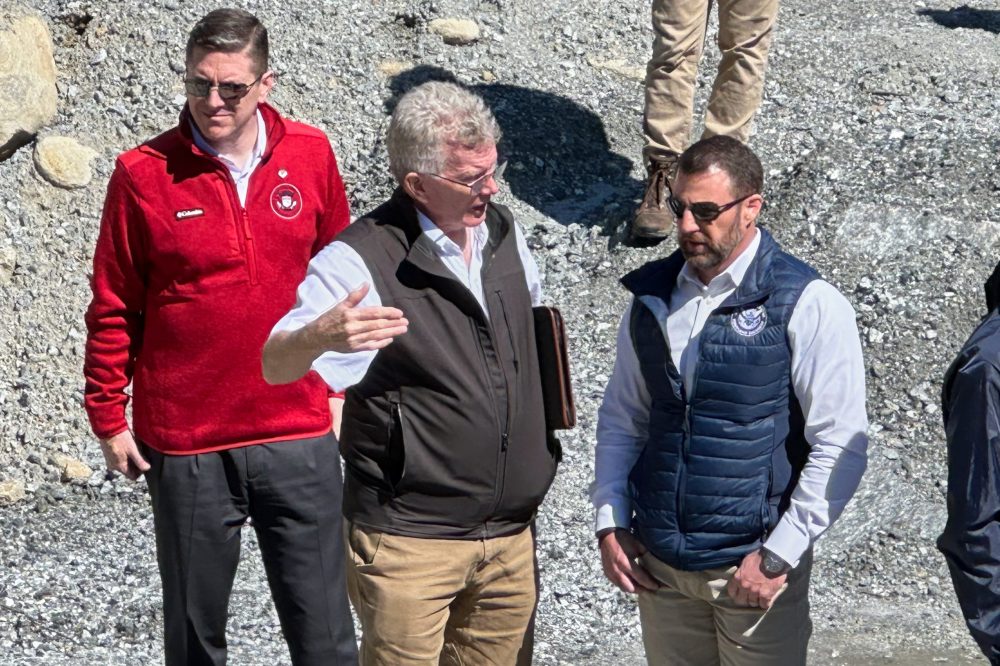
“We’re trying to push this stuff forward as fast as possible,” Mullin stated during his first official trip as DHS secretary while examining Hurricane Helene recovery operations in North Carolina, recognizing that “disasters are happening constantly.”
White House representative Abigail Jackson explained Saturday that Trump evaluates such requests “with great care and consideration, ensuring American tax dollars are used appropriately and efficiently by the states to supplement — not substitute — their obligation to respond to and recover from disasters.” She noted the administration aims to have state and local authorities “invest in their own resilience before disaster strikes, making response less urgent and recovery less prolonged.”
Although Mullin affirmed his support for FEMA’s mission during Senate confirmation proceedings, the agency’s long-term direction remains unclear. Trump has indicated interest in transferring more disaster responsibilities to state governments. A FEMA Review Council established last year has yet to publish an anticipated recommendation report that could include significant changes to federal disaster resilience, response and recovery support.
Officials did not immediately clarify whether additional states or tribes had received notification of approvals or rejections not yet made public. Hawaii Governor Josh Green, a Democrat, announced Wednesday that his state had obtained a disaster declaration for destructive flooding in March.
Trump also modified existing disaster declarations for Tennessee and Mississippi, expanding county coverage for individual assistance following severe January winter storms.
Several communities have endured unusually extended waiting periods for responses to their disaster requests during Trump’s second presidency. Associated Press research from September revealed approvals were averaging more than one month.
Presidential approval of governors’ disaster declaration requests typically took under two weeks during the 1990s and early 2000s. That timeframe increased to approximately three weeks over the past decade under presidents from both parties.
Arizona has waited nearly three months for a response to its appeal after being rejected for support related to severe storms and flooding in September.
Several Democratic-controlled states have criticized denials of disaster declarations despite demonstrating need. Maryland Governor Wes Moore described Trump’s decision as “deeply frustrating” after the president rejected the state’s request twice for May 2025 flooding support, despite FEMA assessments showing damages exceeding $33 million.
Although FEMA evaluates damage using established formulas to analyze potential impacts on states and local jurisdictions, disaster declarations remain under presidential authority.
None of this week’s approvals included hazard mitigation funding, previously a standard component of disaster declaration support that helped communities rebuild with greater resilience. Trump has not approved any hazard mitigation requests for over a year.