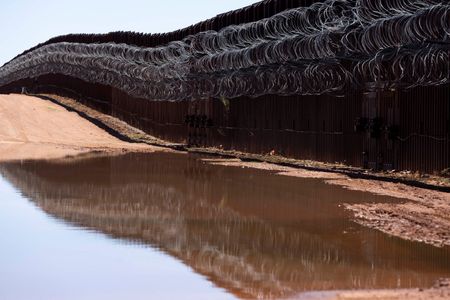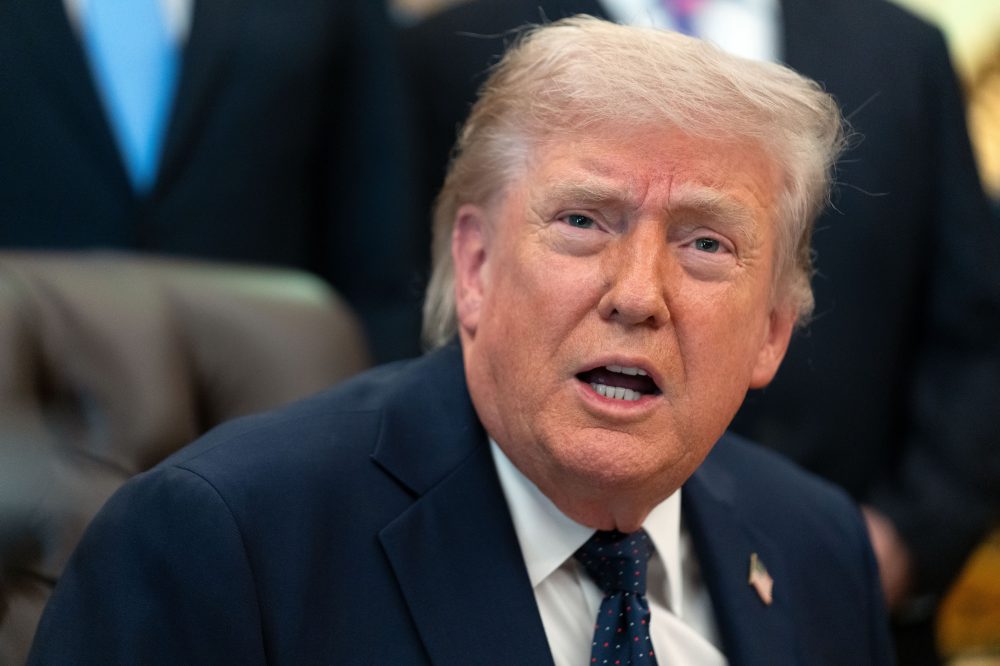

WASHINGTON — A federal appeals court delivered a significant blow to President Donald Trump’s immigration agenda Friday, ruling that his executive order halting asylum requests at the U.S.-Mexico border violates federal law.
The three-member judicial panel from the U.S. Court of Appeals for the District of Columbia Circuit determined that existing immigration statutes guarantee migrants the ability to seek asylum protection at border crossings, and presidential authority cannot override these protections.
In their decision, the judges stated that the Immigration and Nationality Act does not give the president authority to deport plaintiffs through “procedures of his own making,” halt their asylum application rights, or limit processes for handling their anti-torture petitions.
“The power by proclamation to temporarily suspend the entry of specified foreign individuals into the United States does not contain implicit authority to override the INA’s mandatory process to summarily remove foreign individuals,” stated Judge J. Michelle Childs, who received her appointment from Democratic President Joe Biden.
White House officials have not yet provided a response to requests for comment on the ruling.
ACLU lawyer Lee Gelernt praised the appellate decision, saying in a statement that the ruling is “essential for those fleeing danger who have been denied even a hearing to present asylum claims under the Trump administration’s unlawful and inhumane executive order.”
Judge Justin Walker, appointed during Trump’s presidency, offered a partial disagreement with the majority opinion. He argued that immigration law provides protections against deportation to nations where individuals face persecution, but allows the administration to broadly reject asylum petitions.
However, Walker concurred with his colleagues that presidential powers cannot include sending migrants to countries where they face persecution or eliminating required procedures that safeguard against improper deportations.
Judge Cornelia Pillard, nominated by former Democratic President Barack Obama, also participated in hearing the case.