
WASHINGTON — Federal Reserve meeting minutes released Wednesday reveal that more central bank officials are now open to raising interest rates this year, driven by concerns that escalating gas prices from the Iran conflict could fuel persistent inflation.
The March 17-18 meeting documents show that “some” of the Fed’s 19 policymakers on the rate-setting committee wanted to modify their official statement to signal potential future rate increases. This represents growth from “several” officials who held this view in January, and while the Fed doesn’t provide exact counts, “some” indicates greater support than “several” in central bank terminology.
Additionally, “many” officials highlighted concerns that elevated oil and gas costs might keep inflation high for “longer than expected, which could call for rate increases” to bring price pressures under control.
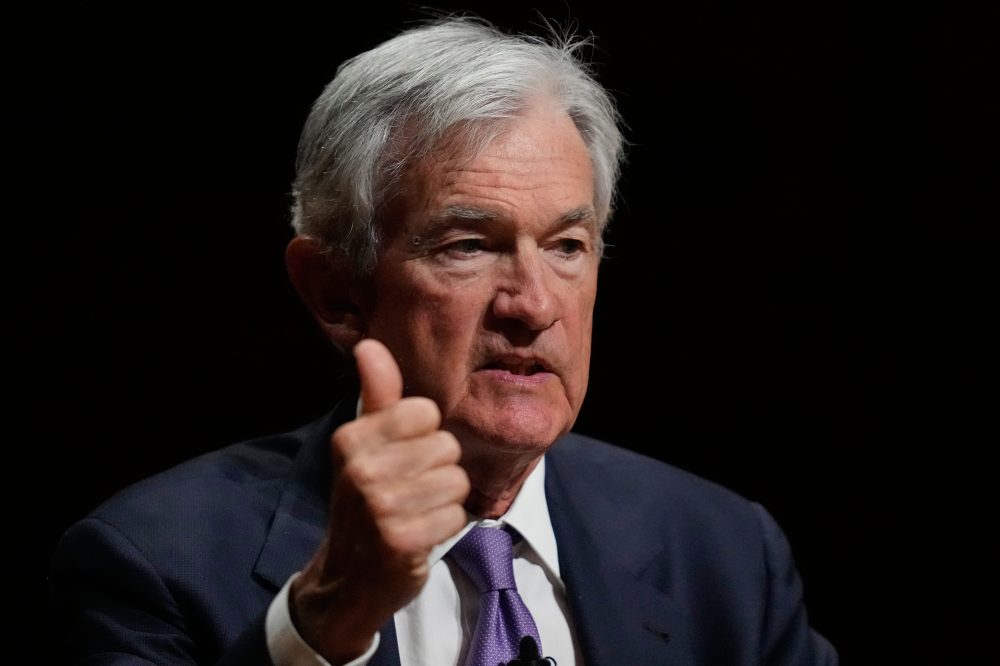
Despite these discussions, the Federal Reserve maintained its benchmark interest rate at approximately 3.6%. The central bank has held rates steady through its first two meetings of 2024, following three rate reductions at the close of 2023. Fed Chair Jerome Powell minimized expectations for rate cuts during his post-meeting press conference, suggesting officials’ projections of one potential reduction this year might not materialize.
Powell emphasized that any rate decrease would require consistent progress in lowering underlying inflation. “If we don’t see that progress then you won’t see the rate cut,” he stated at the time.
The meeting records, published three weeks following the gathering, highlight the challenging position facing the Fed as it works to achieve its dual congressional objectives of price stability and full employment. Policymakers recognized that the Iran situation could also pressure consumers to reduce spending to compensate for higher fuel costs, potentially slowing economic growth and increasing joblessness.
The Federal Reserve traditionally increases rates to slow economic activity and fight inflation, while reducing them to stimulate growth and job creation. This “two-sided” risk creates a complex balancing act for central bank officials.