
A Federal Reserve official remains committed to lowering interest rates despite mounting concerns about climbing oil prices and their potential impact on the American economy.
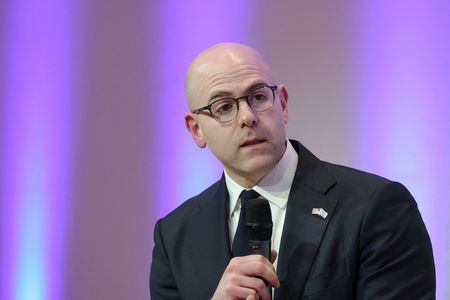
Federal Reserve Governor Stephen Miran told Bloomberg Television on Monday that it’s too soon to determine how recent spikes in energy costs will influence economic conditions moving forward. He emphasized his continued support for additional rate reductions to help bolster employment.
“We should wait for all the information to come in before really changing our outlook,” Miran explained during the television interview. Regarding the significant increase in energy costs, “I think it’s just still premature to have a clear view about what this is going to look like as you look 12 months out,” which represents the timeframe monetary officials must consider.
The Fed governor indicated that “traditionally, you would look through an oil price shock like this, which means that my policy outlook from before is unchanged and my policy outlook from before would be gradual cuts of interest rates.”
During last week’s Federal Reserve meeting, Miran adjusted his projections, reducing his anticipated rate cuts from six to four for the current year while increasing his inflation predictions.
The Federal Open Market Committee maintained interest rates between 3.5% and 3.75% during their recent session, with officials collectively anticipating just one rate reduction this year. President Donald Trump’s conflict with Iran has created uncertainty in economic forecasting, as rising energy costs threaten to increase inflation beyond the Fed’s 2% goal while simultaneously reducing consumer demand.
Miran stood alone as the sole committee member supporting a rate cut during the meeting. The official, who recently served as a Fed governor while taking leave from his White House advisory position under Trump, has consistently pushed for significant rate reductions similar to those preferred by Trump but opposed by other Fed leadership.
“I think the labor market still can use additional support for monetary policy, and that’s why I dissented last meeting,” he stated.
During his interview, Miran observed that “inflation risks have got a little more concerning, but the unemployment risks have gotten more concerning too, because the negative supply shock that is the oil price is also a negative demand shock.”
The Fed official emphasized monitoring whether elevated oil prices start influencing inflation expectations and wage increases, neither of which he reports are currently occurring.
Several Fed officials are considering potential interest rate increases if oil price volatility significantly drives up inflation levels.