
BOSTON — Federal authorities have concluded that the gunman responsible for a deadly shooting at Brown University and the murder of an MIT professor deliberately selected his targets based on deep-seated personal resentments, rather than striking at random.
According to a comprehensive behavioral analysis made public Wednesday, Claudio Neves Valente, a 48-year-old Portuguese citizen and former Brown University student, chose locations and individuals that symbolized what he perceived as personal setbacks, lost chances, and unfair treatment in his life.
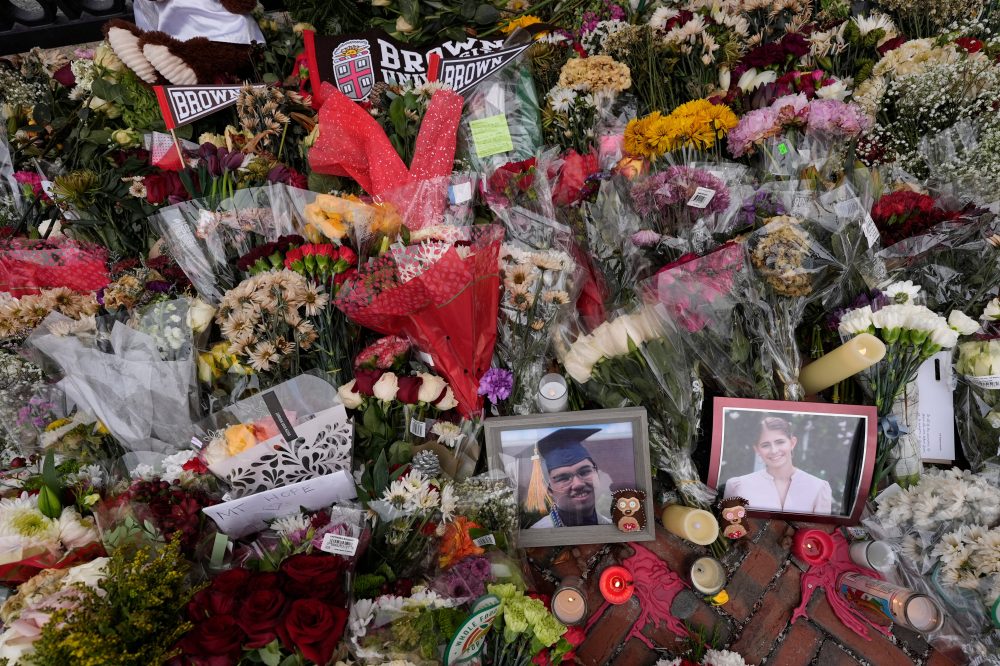
The FBI report details how Neves Valente spent years in solitude developing his attack plan before opening fire in an engineering facility on December 13, resulting in two student deaths and nine injuries. He subsequently murdered MIT professor Nuno F.G. Loureiro at the educator’s Brookline, Massachusetts residence two days afterward. Law enforcement discovered Neves Valente’s body at a Salem, New Hampshire storage unit, apparently dead from a self-inflicted gunshot, concluding a manhunt across multiple states.
Federal investigators characterized the perpetrator as someone who lived in extreme isolation for years, frequently changing locations and lacking the typical support networks of family members, friends, or mentors who might have detected concerning behavior and contacted authorities.
Investigators determined that he gradually constructed a worldview centered on personal grievances and feelings of inadequacy, with “little to no opportunity for bystanders to observe and contextualize the significance of his behaviors.”
“He appeared to struggle with how he viewed his life achievements and felt he was considerably marginalized by others,” the FBI wrote in the report. “As his failures outweighed successes, his paranoia increased, compounding his continued inability to thrive and leading to him being mentally unwell and committed to dying.”
Law enforcement officials emphasized that the violence carried symbolic meaning. Both Brown University and Professor Loureiro embodied what the shooter viewed as “his personal failures and injustices he perceived were inflicted by others over time,” according to investigators.
“By attacking them, Neves Valente was likely able to overcome his shame and envy by using violence to punish those communities that he perceived contributed to his downfall,” the FBI said.
However, investigators recognized the limitations of their analysis, acknowledging that only Neves Valente truly understood his complete motivation and that psychological stress factors alone cannot provide a full explanation for the attacks.
Following the shootings, authorities discovered that Neves Valente had created multiple video and audio recordings where he admitted to the crimes, showed no regret, and discussed some of the resentments detailed in the FBI analysis, though he provided no definitive rationale for his actions.
Law enforcement has determined that Neves Valente operated independently and that the incidents had no established links to terrorist activity.
Officials revealed that Neves Valente was enrolled briefly as a doctoral candidate at Brown during the early 2000s but failed to finish his studies, a detail that investigators believe influenced his later perception of the institution. The weapons used in both attacks were purchased legally in Florida several years before the incidents, according to authorities.
These revelations emerge as victims wounded in the shooting initiated legal action this week, claiming the university disregarded previous warnings about the gunman and failed to implement sufficient security measures that might have prevented the tragedy.