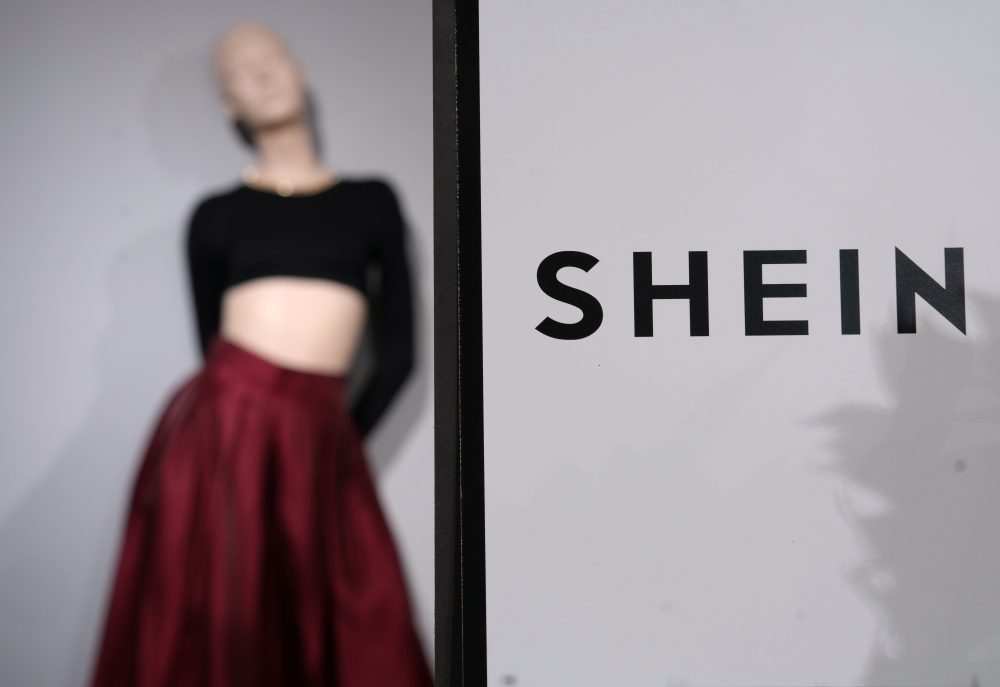

The sustainable clothing retailer that challenged fast-fashion practices by offering ethically-made affordable apparel is now owned by China’s leading fast-fashion company, Shein.
The Associated Press obtained a communication to Everlane staff from CEO Alfred Chang on Friday that confirmed the acquisition.
Financial terms of the transaction were not revealed by Everlane. Shein did not provide a statement when contacted.
Michael Preysman and Jesse Farmer established Everlane in 2011 with goals of creating environmentally responsible and reasonably priced garments. The brand promoted transparency through regular reviews of worker compensation, workplace conditions, and environmental effects. The digital-first company launched its initial brick-and-mortar location in 2017.
However, recent years brought scrutiny over the company’s employee relations practices, based on published reports.
Investment firm L Catterton purchased controlling interest in Everlane starting in September 2020. The private equity company also holds major positions in Boll & Branch, Etro and Birkenstock.
Preysman departed his leadership role in 2022.
“Like many brands, we’ve faced increasing pressure in a rapidly changing retail landscape,” Chang wrote in the letter. “This partnership allows us to remain independent, and gives us the stability and resources to make a larger impact, without compromising on the quality and standards that make Everlane, Everlane.”
Chang, who assumed the CEO position in 2024, stated the agreement would allow increased investment in products, innovation and personnel. He stressed that Everlane would maintain its independence while honoring its “sustainability” principles.
Chang confirmed he would stay as CEO with existing management remaining intact.
The acquisition comes as Everlane faces challenges. Revenue has declined while debt has increased, according to Neil Saunders, managing director of GlobalData Retail. The retailer requires new ownership for survival and Shein offers that financial support, he explained.
Through Everlane, Shein can expand beyond fast fashion, Saunders noted, as expansion within that sector becomes more challenging. Trade barriers and restrictions under the Trump administration have disrupted imports of low-cost garments that fuel fast fashion.
However, Everlane and Shein make an unusual pairing, Saunders observed.
While Shein probably won’t completely restructure Everlane’s supply chain, Saunders said, simply being connected to the Shein organization could be “somewhat jarring for core Everlane customers.”
“Ultimately, the deal likely saves Everlane,” he said. “But that salvation comes at a price.”