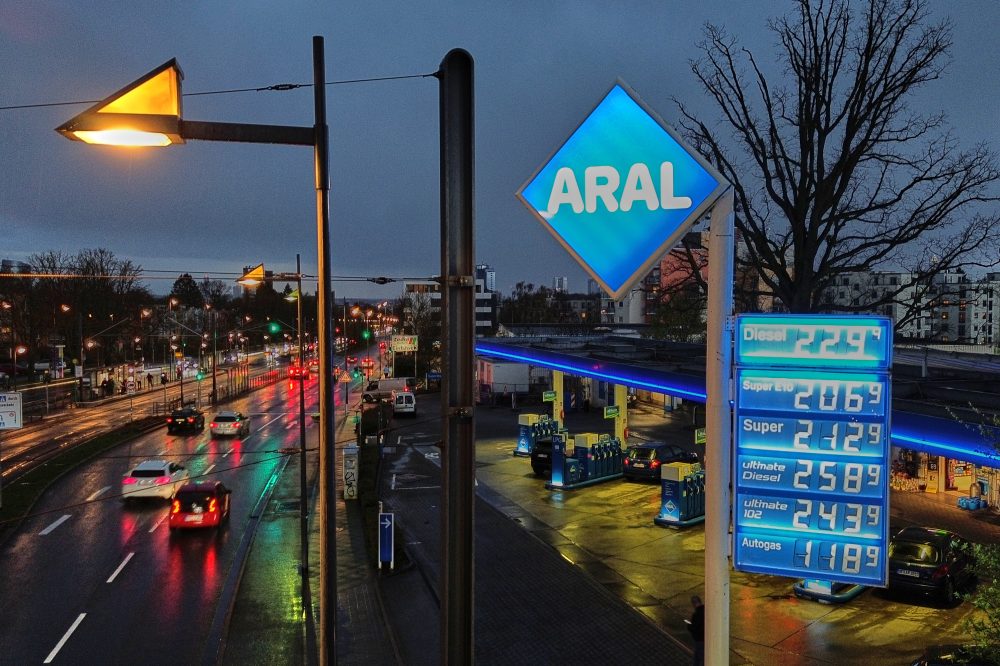

FRANKFURT, Germany — European inflation climbed to 2.5% during March as ongoing conflict involving Iran drove fuel costs significantly upward, according to official data released Tuesday. Economic experts are now forecasting that the European Central Bank will implement interest rate increases later this year in response.
The yearly inflation figure for the 21 nations in the European Union that use the euro jumped from February’s 1.9% rate, which was recorded before the conflict began and disrupted oil and natural gas shipments from the Persian Gulf region.
Energy costs surged 4.9% during March, a stark contrast to February’s 3.1% decrease, according to data from Eurostat.
The conflict’s effect on pricing has become evident at Rome’s expansive Trionfale indoor marketplace, located just north of Vatican City, where produce vendor Anna Caruso noted that rising fuel expenses are driving up costs for zucchini, eggplant and other fruits.
“If the price of fuel increases, those who transport will increase the general price,” she explained. “With many items, they say, I can’t afford this … and shift toward the cheaper items.”
Fellow vendor Paola Ianzi acknowledged that while some price increases stem from seasonal factors, “the increase is also partially due to the war because diesel and fuel increased and those who transport fruit and vegetables need to compensate that.”
Food costs rose by a relatively modest 2.4%, while services — encompassing everything from healthcare to personal grooming — increased 3.2%.
Christine Lagarde, who leads the European Central Bank, has warned that companies might respond more rapidly to price increases during this inflationary period, influenced by difficult experiences from the 2022 inflation surge when rates reached double digits. During that period, Russia severely reduced natural gas deliveries to Europe while oil prices soared, causing energy expenses to skyrocket.
Iran has restricted most tanker movement through the Strait of Hormuz, a crucial shipping route that normally handles approximately 20% of global oil and gas transportation. This blockade threatens to create much tighter fuel markets in the weeks and months ahead.
The anticipated continued rise in inflation above the ECB’s 2% goal is prompting analysts to forecast rate increases in upcoming months to prevent inflation from becoming embedded in the economy through higher wage and price expectations. Bill Diviney, who heads macro research at ABM AMRO bank, stated: “We expect the ECB to raise rates already at the April and June governing council meetings… in order to pre-empt any de-anchoring of inflation expectations.” Economic researchers at Oxford Economics similarly anticipate two rate hikes during this year.
The ECB maintained its benchmark rate at 2% during its most recent meeting on March 19. Interest rate adjustments remain the primary tool central banks use to combat inflation.