
BRUSSELS – European Union officials say negotiations with the United States on a crucial trade agreement are moving forward, though substantial challenges remain before reaching a final deal, according to statements made Thursday.
Bernd Lange, the European Parliament’s lead negotiator, acknowledged that while productive discussions are taking place, significant obstacles must still be overcome. The talks focus on eliminating tariffs on American imports to Europe.
“We have just concluded a constructive second trilogue during which we made good progress on the issue of the safeguard mechanism and the review and evaluation of the main regulation, but there is still some way to go,” Lange stated.
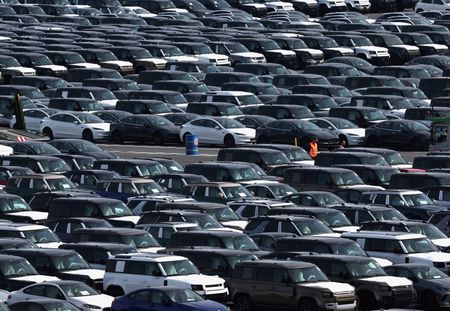
The negotiations have taken on new urgency following President Donald Trump’s announcement Friday that he plans to increase tariffs on European automobiles and trucks to 25% this week, up from the current 15% rate. Trump claims the EU has failed to meet obligations from an agreement reached in Scotland last July.
European officials are scrambling to finalize legislation that would eliminate import duties on American industrial products and provide enhanced access for U.S. agricultural and seafood exports, as outlined in the original trade framework.
Despite nine months passing since the initial agreement, the European Parliament and the Council representing EU member governments have yet to approve unified language needed to implement the tariff reductions.
Lange previously criticized Trump’s approach, saying the president’s “behavior is unacceptable” following the surprise tariff increase announcement.
The next negotiating session is scheduled for May 19.
European lawmakers are pushing for stronger protective measures in any final agreement, including provisions to suspend the deal if America fails to meet its commitments, making European tariff cuts dependent on U.S. actions, and terminating all EU trade concessions by March 31, 2028.
However, EU government representatives show little interest in incorporating such stringent conditions, according to diplomatic sources. One official indicated the two sides remain significantly divided, suggesting additional talks will likely extend into next month.
Manfred Weber, who leads the center-right European People’s Party – the largest faction in the European Parliament – expressed hope for a final vote in the EU assembly this May. That timeline appears optimistic given multiple political groups believe Trump’s latest threats make robust safeguards essential.
The automotive tariff dispute overshadowed Wednesday’s meeting of G7 trade ministers in Paris.
German Economy Minister Katherina Reiche, representing a country that would face severe impact from increased car tariffs, said she was engaged in intensive discussions with American officials and remained optimistic they would “solve this challenge.”
EU Trade Commissioner Maros Sefcovic announced plans to travel to Brussels to participate in the ongoing negotiations.