
BRUSSELS, March 16 — The European Union’s top diplomat revealed Monday that she has been exploring with United Nations officials the possibility of establishing a shipping agreement similar to Ukraine’s wartime grain corridor to restore vital oil and gas transport through the blocked Strait of Hormuz.
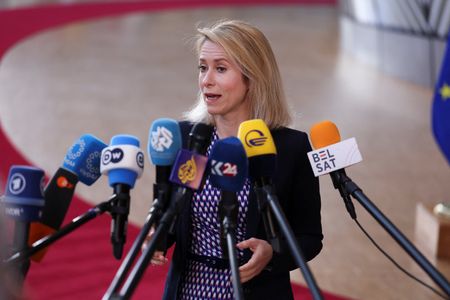
Speaking before a gathering of EU foreign ministers in Brussels, foreign policy chief Kaja Kallas disclosed her conversations with U.N. Secretary General Antonio Guterres regarding potential solutions to clear the strategic waterway, which remains blocked due to the ongoing Iran conflict.
“I had talks with Antonio Guterres about whether it was possible to also have the same kind of initiative like we had (with) the Black Sea Initiative,” Kallas stated.
The Strait of Hormuz has been effectively sealed by Iran during the third week of the U.S.-Israeli conflict with Iran. Iranian military forces have launched attacks against vessels navigating the narrow waterway separating Iran and Oman, cutting off one-fifth of worldwide oil supplies in what represents the most significant disruption on record.
The EU official characterized the strait’s closure as “really dangerous” for energy deliveries to Asia while also highlighting concerns about fertilizer production impacts.
“And if there is a lack of fertilisers this year, there’s going to be also food deprivation next year,” Kallas warned, though she offered no additional specifics.
Kallas indicated that ministers would examine potential modifications to the European Union’s Middle Eastern naval operation, known as Aspides, which presently concentrates on safeguarding vessels in the Red Sea against attacks from Yemen’s Houthi rebel forces.
“It is in our interest to keep the Strait of Hormuz open and that’s why we are also discussing what we can do in this regard from the European side,” she explained.
When questioned about German Foreign Minister Johann Wadephul’s doubts regarding Aspides’ effectiveness in the Strait of Hormuz region, Kallas acknowledged the need for consensus.
“Of course we need to also have the member states on board,” she responded.
“If the member states say that we are not doing anything with this, then of course it’s their decision, but we have to discuss how we help to keep the Strait of Hormuz open.”