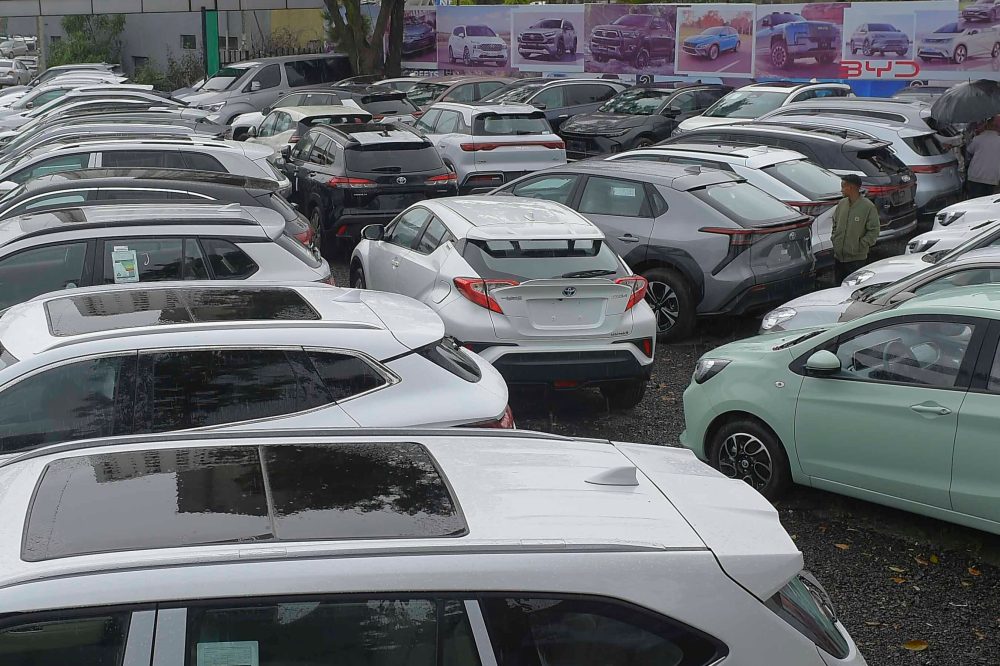

NAIROBI, Kenya — Ethiopia is spearheading a dramatic shift toward electric vehicles across Africa as mounting fuel costs and supply disruptions drive nations to embrace cleaner, more affordable transportation options.
Data from China’s Commerce Ministry reveals Africa purchased 44,358 electric vehicles from China in 2025, representing a significant jump from 19,386 units the previous year. These shipments, worth more than $200 million, demonstrate surging demand particularly in Ethiopia following its 2024 prohibition on new gasoline and diesel vehicle imports.
Ethiopia now operates more than 115,000 electric vehicles on its roadways, representing approximately 8% of its total vehicle fleet. During 2025, the country acquired one-third of all African EV imports from China, outpacing major markets including South Africa, Egypt, Morocco and Nigeria.
With the ongoing Iran conflict creating fuel supply disruptions throughout transportation networks and everyday life, Ethiopia’s push to reduce expensive oil and gas imports while bolstering energy independence has intensified. Yet this transition raises concerns about charging network development and vehicle costs.
Ethiopia allocates roughly $4.2 billion annually for fuel imports, putting pressure on its foreign currency reserves.
Trade and Regional Integration Minister Kassahun Gofe stated the nation also spends up to $128 million monthly on fuel subsidies, while deliveries have fallen short by over 180,000 metric tons due to Iran’s effective blockade of the Strait of Hormuz, a shipping channel handling approximately one-fifth of Gulf region oil exports before the conflict began.
Officials have intensified their push for accelerated EV adoption, positioning it as essential protection against external supply disruptions.
“From a general perspective, it is sustainable,” commented Hiten Parmar, executive director of The Electric Mission, based in South Africa. “By replacing imported fuel with domestically generated electricity, Ethiopia is strengthening its energy security position.”
Ethiopia benefits from having over 90% of its electricity sourced from renewable energy, primarily hydroelectric and solar power. The Grand Ethiopian Renaissance Dam, Africa’s most significant hydroelectric development, is projected to double the country’s power production, although the project has sparked a decade-long water rights disagreement with downstream nations Egypt and Sudan.
“That scale of generation creates a foundation for electrified transport,” Parmar noted. “It allows EVs to be powered by locally produced clean energy, rather than costly imports.”
“By gradually adopting EVs, that intensive fuel import expenditure can be reduced and redirected into other critical development needs,” Parmar explained.
According to the International Energy Agency, electric vehicles worldwide eliminated more than 1 million barrels of daily oil consumption in 2024.
Egypt, South Africa and Morocco are also pursuing electric vehicle transitions through policy incentives, manufacturing investments and clean energy development.
“That transition is beginning to ease pressure on fuel demand,” explained Bob Wesonga, policy and investments lead at the Africa E-Mobility Alliance.
“That’s over 100,000 vehicle owners who are no longer directly exposed to pump price shocks,” he noted. “In the medium to long term, this creates a buffer against global oil volatility.”
Those who have made the switch report substantial cost reductions.
“A private EV owner now spends roughly $4 a month on charging compared to about $27 previously spent on fuel,” Wesonga said. “For public transport operators, the difference is even more striking.”
The electric vehicle transition confronts significant infrastructure obstacles, Parmar acknowledges.
“The technology is already mature, the challenge is building it out fast enough,” he stated.
Ethiopia is installing ultra-fast charging stations in its capital Addis Ababa, but expanding them countrywide requires substantial time and financial commitment.
“The biggest hurdle is the last-mile power distribution,” Wesonga explained. “While Ethiopia has a surplus of generation, getting that power reliably to where it’s needed, especially outside Addis Ababa, remains a challenge.”
Power outages and delays in connecting high-capacity charging facilities have hindered infrastructure development despite growing electric vehicle demand.
“Charging infrastructure is still heavily concentrated in the capital and along a few corridors,” Wesonga observed. “That limits e-mobility to specific areas and creates a bottleneck as adoption grows.”
Ethiopia joins several African nations working to establish domestic EV manufacturing. Government records indicate 17 electric vehicle assembly facilities are planned in Ethiopia, with goals to expand that figure to 60 by 2030 as part of a broader localization and cost-reduction strategy.
Vehicle affordability continues as a significant obstacle. While operational expenses are reduced, electric vehicle prices remain elevated compared to typical household incomes.
“The purchase price is still out of reach for many,” Wesonga said. “At the same time, restrictions on fossil fuel vehicles have pushed up the cost of used cars, creating additional barriers.”
This situation could produce unexpected social consequences without careful management.
“A national fleet transition is always gradual,” Parmar said. “Existing combustion vehicles will remain in use for some time, and the transition needs to account for livelihoods tied to that system.”
Despite challenges, both specialists believe the long-term direction is evident. Reduced operating and maintenance expenses for electric vehicles could lower transportation costs over time, decreasing goods prices and improving economic opportunity access.
Ethiopia is also studying approaches from nations like China and Norway, where government support, infrastructure investment and consumer incentives have accelerated adoption.
“This is not just about transport,” Wesonga concluded. “It’s about reshaping how the country uses energy, and who benefits from that shift.”