
MBABANE, Eswatini — The southern African kingdom of Eswatini has welcomed a fourth batch of individuals deported from the United States, with 11 people touching down this week under a bilateral agreement to house third-country nationals, the government announced Thursday.
Acting government spokesperson Thabile Mdluli confirmed the new arrivals, describing the group as coming predominantly from African nations. Mdluli said the deportees would remain in the kingdom on a temporary basis, with their rights protected throughout their stay.
“The government reaffirms that, during their temporary stay in the Kingdom, the fundamental rights of the third-country nationals will be respected and protected in accordance with the laws of the Kingdom of Eswatini and the Kingdom’s international obligations,” Mdluli stated.
The arrivals are connected to a broader U.S. immigration enforcement effort under President Donald Trump’s administration, which has deported thousands of people to nearly two dozen countries that are not their home nations — often under agreements that advocates describe as secretive.
Mdluli also noted that security measures are in place to protect both Eswatini and its citizens while the deportees are present in the country.
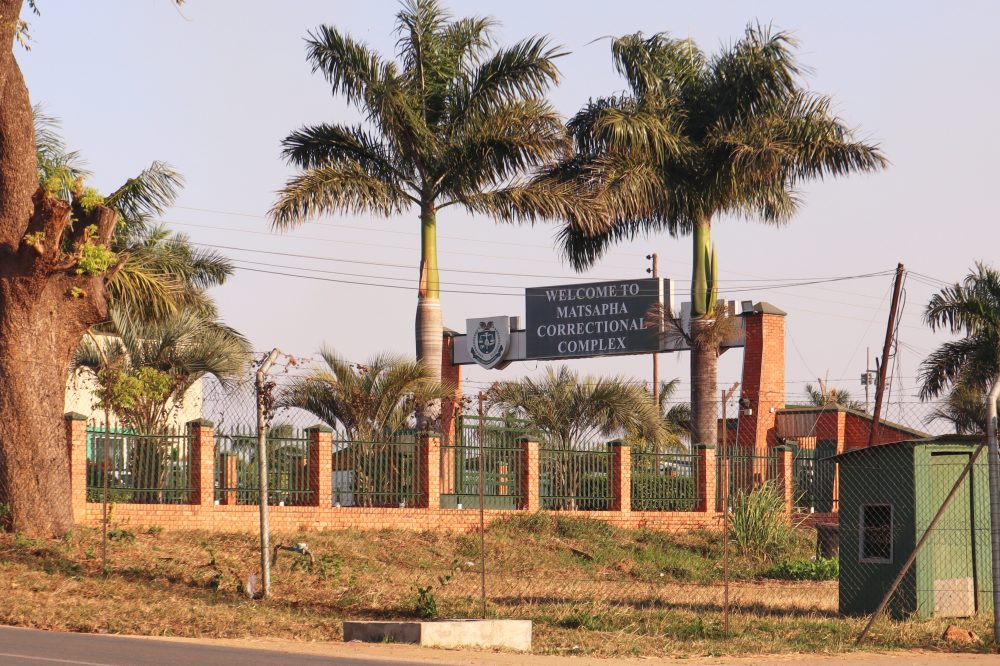
Officials familiar with the arrangement say the latest group is expected to be held at Matsapha Maximum Security Prison.
Eswatini, a nation of roughly 1.2 million people that shares a border with South Africa, began accepting U.S. deportees in 2025 under an arrangement designed to house individuals who cannot be sent directly back to their countries of origin. This week’s arrivals mark the fourth group received under that deal.
The Trump administration has similarly sent deportees to other African nations, including the Central African Republic, Equatorial Guinea, Sierra Leone, and Congo, as it searches for destinations for migrants who cannot be directly repatriated.
The Eswatini government has not made public the specific terms of its agreement with Washington, nor has it released details about the deportees’ nationalities, legal standing, or how long they are expected to remain in the country.
Human rights organizations have criticized the program, pointing to a lack of transparency and limited parliamentary oversight. Civic groups within Eswatini have even taken the matter to court, challenging whether it is legal to hold foreign nationals in prison without formal charges. The government has indicated the men could be held for up to a year while efforts to repatriate them continue.
Human rights lawyer Mzwandile Masuku warned that the ongoing transfers point to weak institutional accountability and said the practice risks becoming accepted as normal on an international scale.
To date, only two of the deportees previously sent to Eswatini have left the country — one returned to Cambodia and the other to Jamaica.
Eswatini’s government has maintained that the agreement aligns with the country’s humanitarian principles while also upholding its national sovereignty and laws.