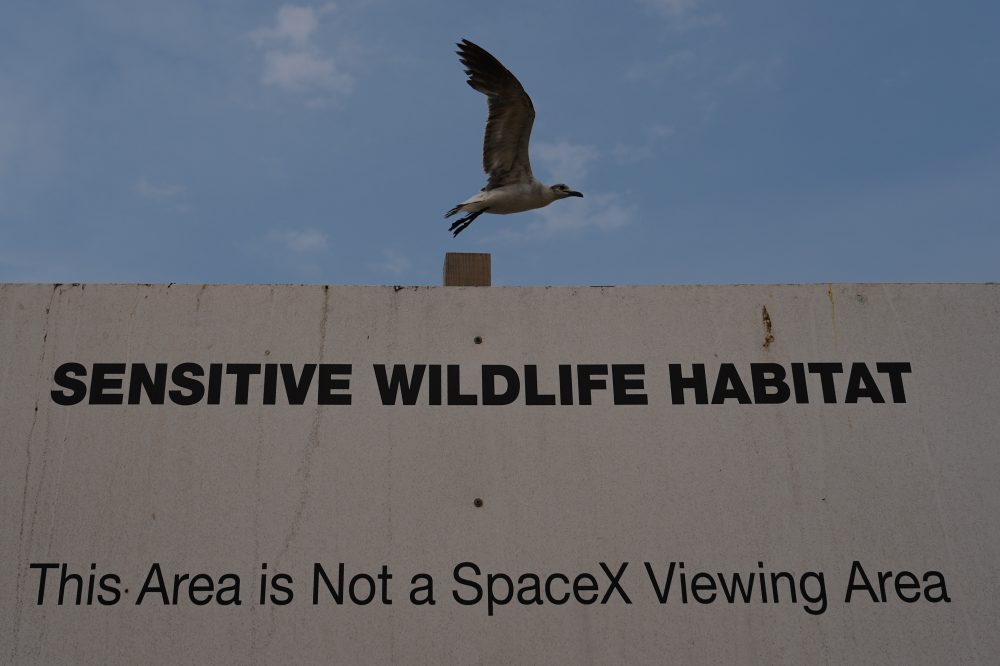

Conservation organizations filed a federal lawsuit Wednesday seeking to block a controversial land exchange that would grant SpaceX access to more than 700 acres of protected wildlife habitat in Texas. The environmental groups contend the deal would increase ecological damage to a Gulf Coast area already affected by rocket operations from billionaire Elon Musk’s space company.
The Fish and Wildlife Service gave approval this month for the proposed agreement with SpaceX, under which the company would give up 683 acres it currently owns in return for federal property within the Lower Rio Grande Valley National Wildlife Refuge. The protected area covers 103,000 acres across four counties along the Texas border and contains critical animal habitats and historical sites.
According to mapping data, the federal property SpaceX seeks to obtain sits closer to the company’s rocket launch facility near the border between the United States and Mexico.
This proposed swap would mark the first instance of the federal government exchanging refuge land with SpaceX, according to Laiken Jordahl, a spokesperson with the Center for Biological Diversity, one of the organizations behind the legal challenge.
The federal court filing in Washington seeks to prevent the land transfer, which has drawn opposition from local critics who have previously raised concerns about the company’s growing presence affecting beach access and creating safety risks from rocket explosions.
“Rather than exercising its enforcement authority to protect the Refuge from SpaceX’s activities and to require mitigation to address the harm SpaceX has caused, the Service seeks to give SpaceX over 700 acres within the Refuge,” states the lawsuit, which was filed by the Center for Biological Diversity and other groups.
A spokesperson for the Fish and Wildlife Service declined to provide comment regarding the pending legal action.
The agency released a final environmental review earlier this month concluding the land exchange would not create significant environmental harm to the region. According to the assessment, federal officials believe the transaction would deliver a “net conservation benefit” and offer “substantial long-term conservation value and improving landscape-scale habitat connectivity across refuges in South Texas.”
SpaceX representatives did not respond to requests for comment.
The legal challenge comes as the company prepares for a public stock offering, which could position Musk to become the world’s first trillionaire.
The aerospace company began construction in Texas over ten years ago and has grown substantially since then, with SpaceX workers voting last year to establish their own municipal government named Starbase.