
Federal health officials report that roughly 70,000 Americans lost their lives to drug overdoses in 2025, representing a 14% reduction compared to the year before, according to newly released preliminary data.
Wednesday’s federal report reveals this marks the third consecutive year of declining overdose fatalities, creating the most extended period of improvement seen in recent decades. The 2025 numbers mirror overdose deaths recorded in 2019, before the coronavirus pandemic began.
Multiple drug categories showed reductions in fatal overdoses, including fentanyl, cocaine, and methamphetamine. Most states experienced decreases in overdose deaths, though Arizona, Colorado, and New Mexico saw significant increases, the Centers for Disease Control and Prevention announced.
Brandon Marshall, a Brown University researcher specializing in overdose patterns, expressed measured hope about the trend. “I’m cautiously optimistic that this represents really a fundamental change in the arc of the overdose crisis,” Marshall stated.
Despite the encouraging statistics, Marshall and fellow researchers emphasize that overdose deaths remain at concerning levels, and several factors could trigger another surge, including shifts in government policy or changes in available street drugs.
“If deaths are going down rapidly, that means they can increase just as rapidly if we take our foot off the gas,” Marshall warned.
While overdose fatalities had been climbing for decades, they surged dramatically during the pandemic years, reaching nearly 110,000 deaths in 2022. The pandemic increase coincided with widespread social isolation and reduced access to addiction treatment services.
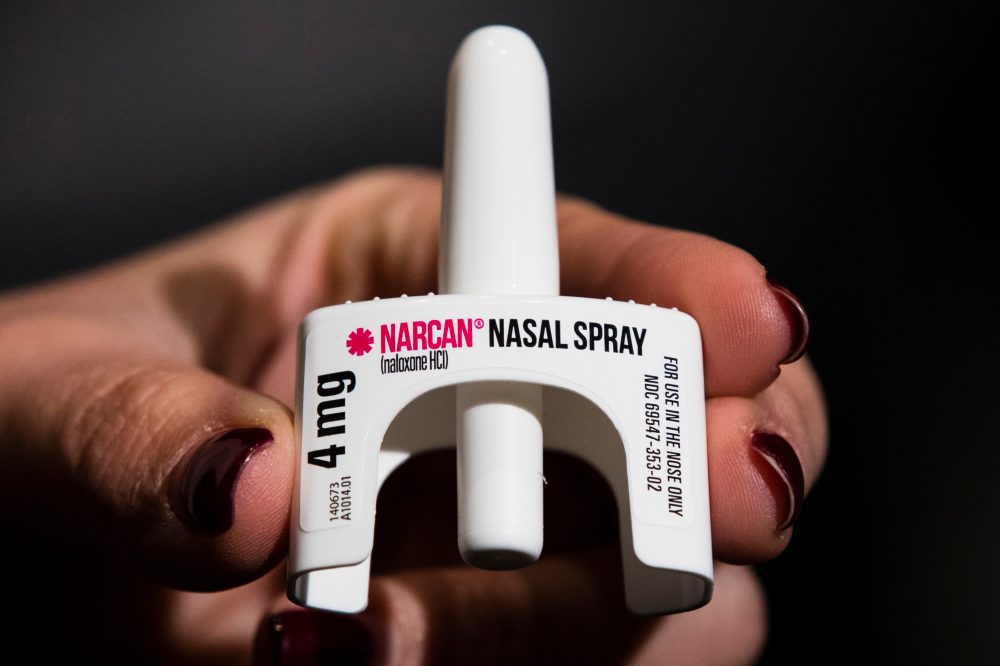
As pandemic restrictions lifted, death rates began falling. Experts point to several contributing factors: greater access to naloxone, the overdose-reversing medication; expanded treatment programs; changes in drug use patterns; and the impact of billions in settlement funds from opioid litigation.
Research also indicates the population at highest overdose risk may be shrinking, as fewer young people begin using drugs and many long-term users have died. Additionally, regulatory changes implemented by China several years ago appear to have reduced access to chemicals needed for fentanyl production.
However, health and law enforcement agencies have recently raised concerns about new substances detected with increasing frequency throughout 2025.
Alex Krotulski leads the Center for Forensic Science Research and Education, a federally supported toxicology laboratory in Horsham, Pennsylvania, that serves as a key component of the national drug monitoring network.
Throughout 2025, the facility discovered 27 previously unknown drugs. In less than five months of 2026, researchers have already identified 23 new substances, Krotulski reported.
One particularly concerning drug under surveillance is cychlorphine, a powerful synthetic opioid reportedly up to 10 times more potent than fentanyl. Experts believe it’s being mixed into other illegal drugs without users’ awareness.
“The drug supply continues to change and evolve,” Krotulski explained.
Simultaneously, the Trump administration has been eliminating programs aimed at reducing overdose deaths and drug-related infections. Last month, the federal Substance Abuse and Mental Health Services Administration informed grant recipients that funding would cease for test strips and kits that help users detect dangerous additives in their drugs.
Administration officials state they’re moving away from services that enable illegal drug use, including needle exchange programs and phone support lines for active users.
A group of mothers who lost children to overdoses recently met with media representatives to oppose government policies emphasizing punishment and imprisonment.
Kimberly Douglas established Black Moms Against Overdose following her 17-year-old son’s death.
“We are starting to see overdoses go down in some places and that’s because of harm reduction” services like those being targeted by the Trump administration, she said.