
Currency markets saw the American dollar climb Tuesday following Monday’s decline, as investors remained cautious about ongoing Middle East diplomatic efforts.
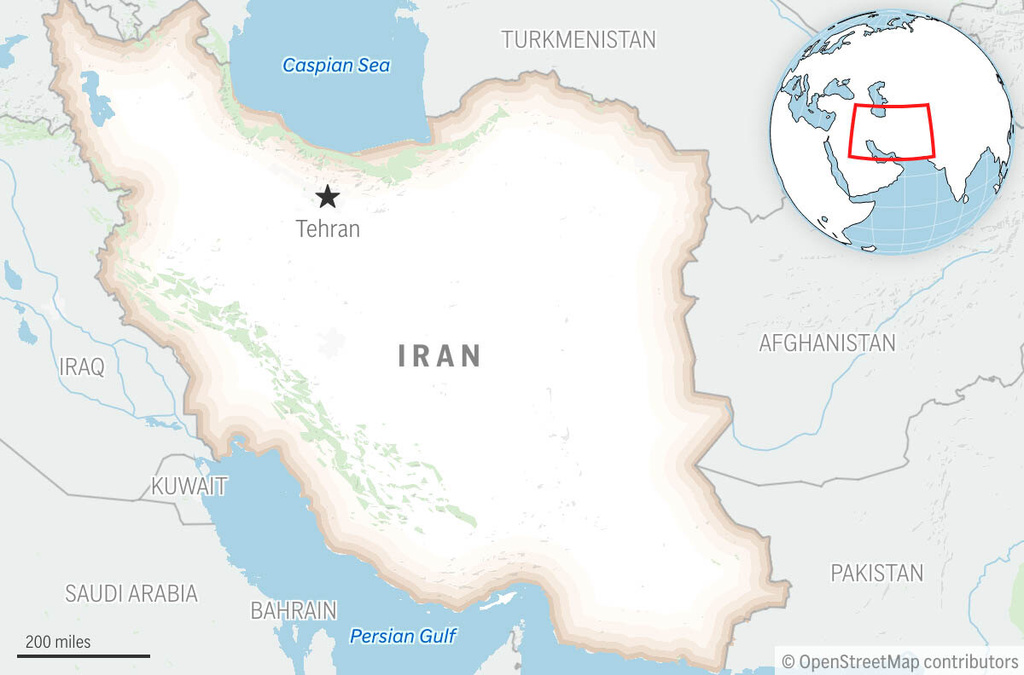
Washington has expressed optimism that peace negotiations with Iran will proceed in Pakistan, though substantial obstacles persist with the conclusion of a two-week ceasefire drawing near.
President Donald Trump declared the ceasefire with Iran on April 7. Though he hasn’t stated the precise expiration time, April 21 marks the two-week point, potentially ending Tuesday evening in America and Wednesday morning in Iran. Iranian military forces have indicated readiness to provide an “immediate and decisive response” to any renewed hostile actions from opponents.
The dollar index, tracking the greenback’s performance against multiple currencies including the yen and euro, rose 0.15% to 98.24 following Monday’s 0.2% drop.
The conflict with Iran has typically strengthened the dollar through safe-haven buying, while increasing Brent crude oil prices have pressured the euro and yen, given both regions’ heavy oil imports.
“This binary backdrop of geopolitical risk is keeping a tight grip on forex and as long as talks are happening then the U.S. dollar should be on the backfoot,” stated Paul Mackel, HSBC’s global head of forex research, discussing mixed signals about de-escalation.
“The opposite should also hold true.”
Market watchers will also monitor the Senate confirmation hearing for Kevin Warsh, Trump’s Federal Reserve chair nominee, as crucial topics including monetary policy direction, Fed independence and balance sheet management take center stage.
“Given the audience, it seems reasonable that Warsh may not sound overly dovish versus what is priced in our view, leaving aside his long-term view that AI productivity gains could support lower rates,” HSBC’s Mackel noted.
EURO FOLLOWS NATURAL GAS PRICE MOVEMENTS
The euro traded at $1.1782, declining approximately 0.2% for the day.
The European currency has recently mirrored energy price fluctuations, especially natural gas costs, weakening when gas prices surge and strengthening when they fall.
TRPC Natural Gas futures reached $68.20 on March 19, their peak since January 19, but have since dropped to approximately $39.
The euro has strengthened since March 16 when it touched $1.1409, its weakest point since August 2025.
Market participants continue pricing roughly two European Central Bank rate increases by year-end, though ECB President Christine Lagarde indicated the institution requires additional data before making definitive policy decisions. Experts anticipate the ECB will maintain current rates this month.
CENTRAL BANK DECISIONS IN FOCUS
The yen remained essentially flat at 158.80 per dollar, staying close to the critical 160 threshold that market participants view as the intervention trigger point.
The Bank of Japan will likely postpone interest rate increases next week, according to five sources knowledgeable about internal discussions, as diminishing hopes for a swift Middle East conflict resolution maintain uncertainty around the nation’s economic and inflation projections.
The New Zealand dollar traded at $0.5911, gaining 0.3%. New Zealand’s yearly inflation remained steady at 3.1% during the first quarter, exceeding the central bank’s target range and raising expectations for additional rate increases this year.
Focus will turn to U.S. March retail sales data released later today, with economists forecasting a substantial 1.4% rise.