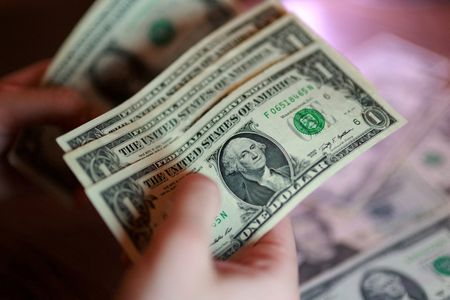

The U.S. dollar pulled back slightly on Monday but remained positioned for its largest monthly gain in nearly a year, fueled by rising tensions in the Gulf and anticipation of key jobs data that could influence the Federal Reserve’s next moves on interest rates.
The United States and Iran exchanged sharp words over the weekend before both sides agreed to halt retaliatory strikes and sit down for talks in Qatar on Tuesday. That fragile ceasefire has left financial markets on edge.
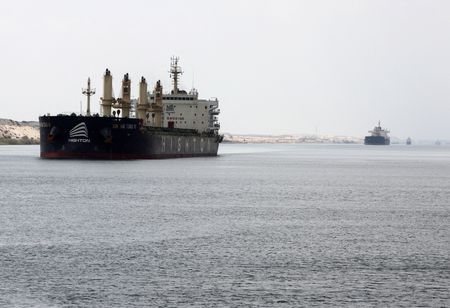
Oil prices climbed Monday after attacks once again disrupted energy shipping through the Strait of Hormuz, boosting demand for the dollar as a safe-haven asset.
The euro held steady at $1.1387 after dropping to a 13-month low against the dollar last week, and is on pace for a 2.3% decline this month. The British pound slipped 0.1% to $1.3198, down about 2% for June. The Australian dollar, which tends to reflect investor appetite for risk, fell 0.1% to $0.6885 and is heading for a 4.1% monthly loss. The New Zealand dollar was nearly unchanged at $0.5635, down 5.9% for the month.
The Japanese yen continued to hover near a 40-year low, last trading at 161.75.
The dollar index, which tracks the greenback against a group of major currencies including the yen and euro, edged up slightly to 101.36. The index is now on course for a 2.5% gain in June — the biggest monthly advance since July of last year.
The ongoing conflict with Iran has kept inflation pressures elevated. Adding to the dollar’s strength, Federal Reserve Chair Kevin Warsh surprised markets with a notably hawkish tone when he took the helm earlier this month, reversing expectations that the Fed would cut interest rates this year.
A broad selloff in technology stocks has also contributed to dollar inflows as investors look for safer ground.
Traders are now focused on U.S. non-farm payroll and unemployment figures due this week, which are expected to shed light on the health of the labor market and what the Fed might do next.
Joseph Capurso, head of foreign exchange at Commonwealth Bank of Australia, wrote in a note that “we expect the USD to grind higher in coming weeks because of the ‘US exceptionalism’ narrative.” He added that a strong and improving labor market typically points toward higher U.S. interest rates and a stronger dollar.
Also on investors’ radar this week is the European Central Bank’s annual forum. ECB President Christine Lagarde is set to open the event on Monday, with a major policy panel scheduled for Wednesday that will include Fed Chair Warsh. Markets are hoping the panel provides a clearer picture of the new Fed chief’s policy direction.