
Federal Reserve officials find themselves facing a difficult balancing act after February’s disappointing employment figures coincided with surging oil prices, potentially forcing policymakers to choose between controlling inflation and supporting a struggling job market.
The latest employment report revealed that American businesses eliminated 92,000 positions in February, while previous months’ job creation numbers were also revised downward. Oil prices climbed close to $90 per barrel during the same period, driving gasoline costs up from $3.00 to $3.32 nationwide in just one week.
Health sector labor disputes and continued federal government workforce reductions contributed to February’s job losses, but the data still dashed expectations that employment growth was gaining momentum.
These twin pressures of weakening employment and rising energy costs have revived concerns about “stagflation” – a scenario combining economic stagnation with inflation that Fed officials believed they had successfully addressed.
While the Federal Reserve is anticipated to maintain current interest rates at its March 17-18 policy meeting, officials may need to engage in deeper conversations about economic strategy as supply chain vulnerabilities resurface. The situation echoes challenges from the pandemic period, when global supply disruptions proved difficult to predict and manage.
Market participants have increased their expectations for a Fed rate reduction in June following the jobs data, though the decision will likely depend on how policymakers weigh competing economic risks that could simultaneously drive prices higher and slow growth.
Fed Governor Christopher Waller shared his perspective during a Bloomberg Television appearance, describing the oil price surge as “more like a one-off event” that wouldn’t necessarily trigger Fed action. However, he recognized the uncertainty if ongoing conflicts continue pushing energy costs upward.
“If it’s unwound in … a couple of weeks or even two months, it’s not going to be a big factor down the road,” Waller explained. “If it becomes more permanent … Then it’ll start bleeding through to other parts of the economy.”
The disappointing February employment figures are expected to carry additional weight in Fed deliberations. Waller had previously indicated he would resist supporting additional rate cuts if February’s job numbers proved strong, following January’s unexpectedly robust employment gains.
“If the labor market continues to go weak … If we get a bad number … the question is why are you just sitting on your hands” rather than supporting employment through rate reductions, Waller stated.
Some Fed officials are already grappling with competing priorities, as inflation remains approximately one percentage point above the central bank’s target while new upward price pressures emerge.
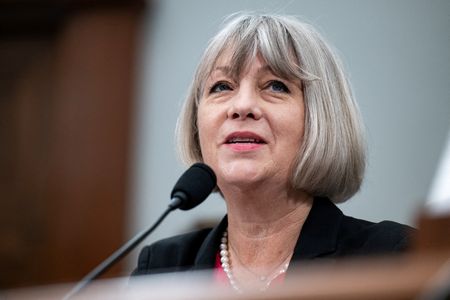
San Francisco Fed President Mary Daly addressed the challenge during a CNBC interview, saying “The hopes that the labor market was steadying — maybe that was too much. But we also have inflation printing above target and oil prices rising. How long they last, we don’t know, but both of our goals are risks now and we need to keep our eye on both.”