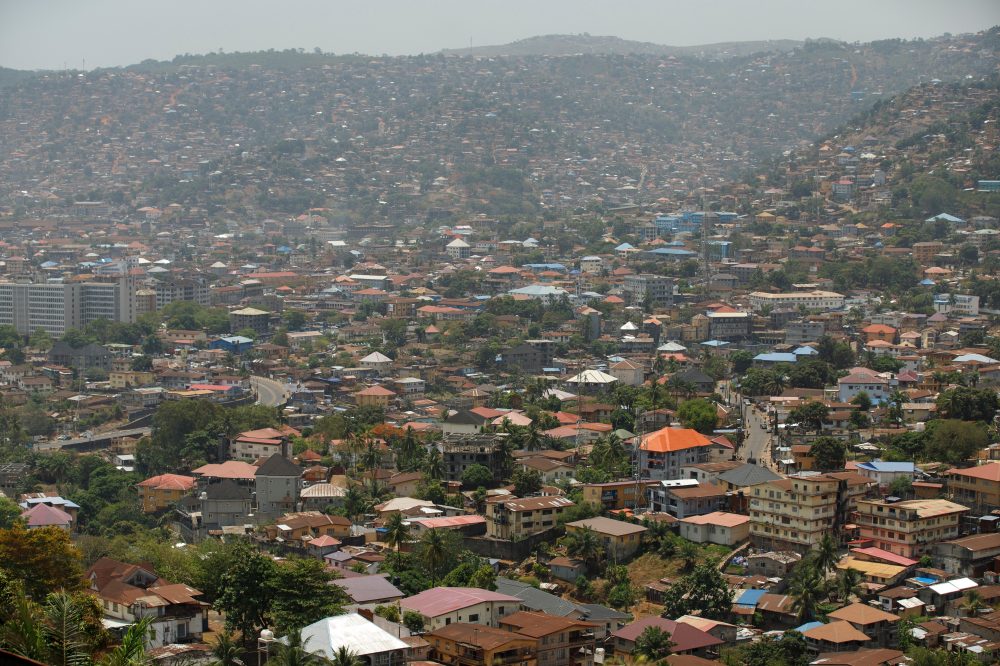

FREETOWN, Sierra Leone — Asylum seekers who were deported by the United States to Sierra Leone now face the possibility of being transferred to their home countries — the same places where they fear persecution — even though U.S. courts had previously ordered that they could not be sent there, according to an attorney involved in the case and documents reviewed by The Associated Press.
Roughly a dozen people arrived in Sierra Leone on Thursday following a deportation flight from the U.S. — the second such flight to the country. A previous flight brought nine West African migrants there last month. Attorney Erica Reilly, who represents one of the migrants, shared these details on Friday.
Sierra Leone is among at least nine African nations that have entered into third-country deportation arrangements with the United States. Officials have indicated that only citizens of West African countries are being accepted. A number of Latin American and Caribbean nations have entered into similar agreements.
A pamphlet distributed to migrants when they arrived in the capital city of Freetown stated that the government and its contractors were working to “return you home as quickly and safely as possible.” The document described Sierra Leone as a “temporary transit location” and made clear that “no long-term settlement is provided for or permitted.”
The pamphlet was distributed by Kenvah Solutions, a private contractor hired by the Sierra Leone government to manage housing, meals, medical care, and transportation for the deportees. A copy was reviewed by the AP. Neither Kenvah Solutions nor Sierra Leonean authorities responded to requests for comment.
Advocates say the Trump administration has used a series of often-secret agreements to deport thousands of people to nearly two dozen countries that are not their own — a key part of the administration’s aggressive immigration enforcement strategy. Immigration attorneys argue that these third-country deportations serve as a legal workaround to push asylum seekers back toward their home countries indirectly.
Sierra Leone’s foreign minister, Timothy Kabba, stated last month that the country’s agreement with the Trump administration comes with a $1.5 million grant from the U.S. government. The program allows up to 25 deportees per month and 300 per year, though the length of the arrangement has not been disclosed.
Reilly, who is representing a Nigerian man among those deported Thursday, said her client and others like him had legal protections from U.S. courts — judges had determined they faced credible fears of persecution if returned to their home countries. Now, she says, those individuals have almost no way to stop that from happening.
“They’re put in a position where they just don’t have a say at all,” Reilly said.
Earlier this month, human rights attorneys filed a case against Equatorial Guinea before Africa’s top human rights body, alleging that the central African nation has been forcing U.S. deportees back to their countries of origin in violation of their rights.
“The U.S. government knows exactly what’s going to happen in the vast majority of these situations,” Reilly said. “Our government is just saying, ‘What happens to them after they leave the United States is not our problem.’”