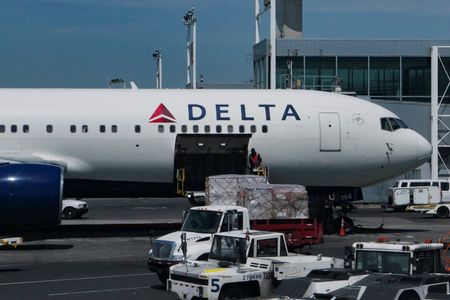

Delta Air Lines has discreetly withdrawn two major environmental commitments from its corporate sustainability website, according to a Bloomberg News investigation published Tuesday.
The major airline eliminated its promise to incorporate sustainable aviation fuel for 10% of its total fuel consumption by 2030, Bloomberg reported. Additionally, Delta modified the language surrounding its carbon-neutral objectives for 2050, shifting from calling it a firm “goal” to describing it as an “aspiration.”
Sustainable aviation fuel, primarily produced from waste materials and used cooking oil, can dramatically reduce carbon emissions when compared to standard jet fuel. Despite its environmental benefits, this alternative fuel costs two to five times more than traditional aviation fuel.
According to Bloomberg’s reporting, a Delta representative stated that while the company continues to regard sustainable aviation fuel as a crucial component for reducing aviation’s carbon footprint, the sluggish progress in developing these alternatives poses challenges to the aviation sector’s environmental objectives.
Delta has not yet provided a response to requests for comment from Reuters.
Earlier this year in February, Willie Walsh, who leads the International Air Transport Association, warned that limited supplies of fuel-efficient aircraft and alternative fuels were increasing costs for suppliers while jeopardizing the industry’s primary emissions reduction targets.
The International Air Transport Association, representing approximately 350 airlines worldwide, established these environmental targets in 2021 to address emissions that account for 2% to 3% of global carbon output. This initiative depends significantly on widespread adoption of sustainable aviation fuel and timely delivery of advanced aircraft and engines, which have faced delays due to supply chain disruptions.