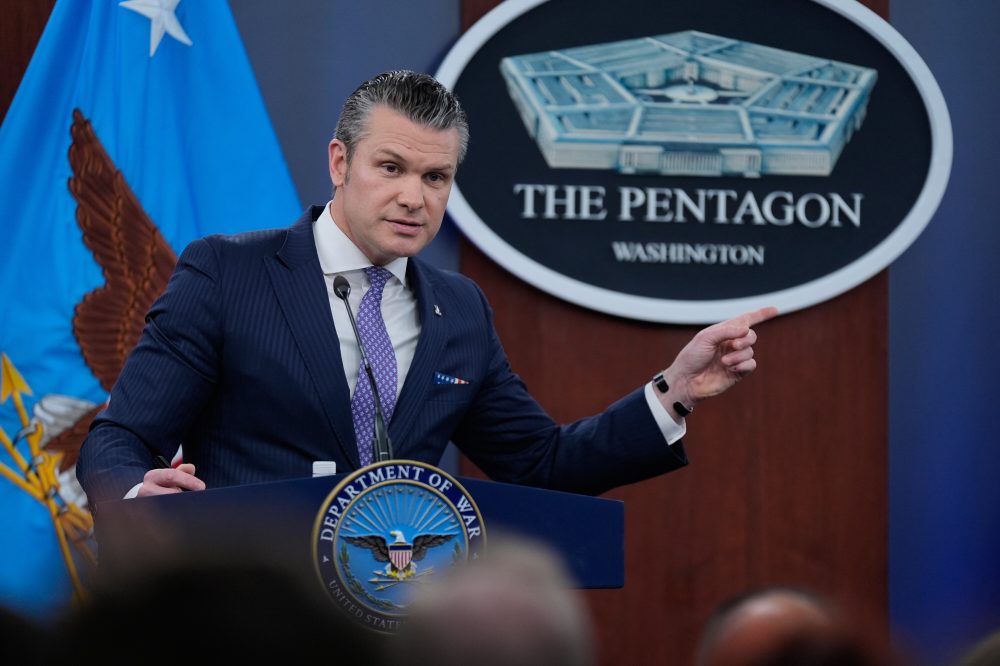

Defense Secretary Pete Hegseth announced Thursday that military personnel will now be permitted to carry their personal firearms on military installations for self-protection, marking a significant departure from decades-old policy.
Through a video message shared on X, Hegseth revealed he is issuing a directive instructing base commanders to approve requests from service members seeking to carry their privately owned guns “with the presumption that it is necessary for personal protection.”
The new policy requires commanders to provide detailed written justification for any rejected requests.
“Effectively, our bases across the country were gun-free zones,” Hegseth stated. “Unless you’re training or unless you are a military policeman, you couldn’t carry, you couldn’t bring your own firearm for your own personal protection onto post.”
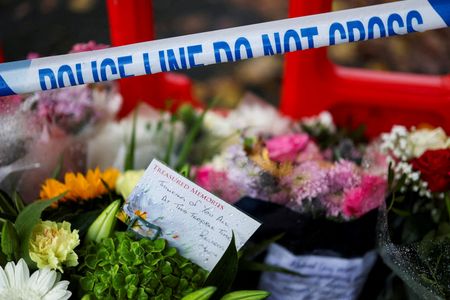
The policy shift follows a series of violent incidents at military installations nationwide. Past tragedies have sparked debate about why armed service members cannot access weapons for protection, ranging from individual conflicts to mass casualty events like the 2009 Fort Hood shooting in Texas where an Army psychiatrist killed 13 people.
Hegseth referenced recent incidents, including last year’s shooting at Fort Stewart in Georgia that wounded five soldiers. In that case, an Army sergeant used his personal handgun before fellow soldiers subdued and arrested him.
“In these instances, minutes are a lifetime,” Hegseth explained. “And our service members have the courage and training to make those precious, short minutes count.”
Current Defense Department regulations have long forbidden military members from bringing personal weapons onto installations without senior commander approval, with stringent storage requirements.
Under existing rules, personnel must formally retrieve their firearms from secure storage for approved activities like hunting or target practice on base, then immediately return them afterward. Military police typically remain the only armed personnel on installations, except during training exercises or at designated shooting facilities where service weapons may be used without live ammunition.
Tanya Schardt from the Brady gun violence prevention organization criticized the change, noting that Defense Department leadership and military officials have historically opposed loosening current restrictions, which originated during President George H.W. Bush’s administration.
“Our military installations are among the most guarded, protected properties in the world, and they’ve never been ‘gun-free zones,’” Schardt stated. “If there is a problem with violent crime on these installations, then the Secretary of Defense has an obligation to alert the American people and describe how he’s working to prevent that crime.”