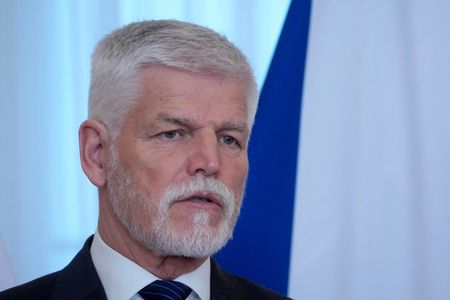

PRAGUE – Czech President Petr Pavel delivered sharp criticism Monday against his government’s decision to slash military spending, joining a chorus of disapproval that includes the United States and other NATO partners questioning the country’s commitment to alliance defense goals.
The controversy stems from budget cuts approved by Prime Minister Andrej Babis’ populist ANO party, which assumed control in December. The administration pushed through a revised 2026 spending plan that allocates 154.8 billion crowns ($7.28 billion) to the defense ministry, representing just 1.73% of the nation’s gross domestic product – a reduction from the previous administration’s proposal.
While government officials claim their defense allocation reaches nearly 2.1% of total spending, the nation’s fiscal oversight body has raised red flags, noting this figure incorporates questionable items such as road construction projects that likely fail to satisfy NATO standards.
During a Monday meeting with Finance Minister Alena Schillerova, Pavel – who previously served as a NATO official – expressed his strong opposition to the spending reductions, according to a presidential office statement.
“According to the president, it is not justifiable that defence expenditures stagnate or even decrease at a time of growing security threats,” the official statement declared.
Pavel has repeatedly cautioned that inadequate defense spending could damage relationships with allied nations, though he has indicated he will not use his veto power to block the budget.
Schillerova acknowledged that Pavel “did not hide” his desire for increased military funding, but she stood by the administration’s financial plans.
Babis has argued that resources must be directed toward other critical areas, particularly healthcare initiatives. He maintains that the Czech Republic will still fulfill its NATO obligation to spend 2% of GDP on defense.
The budget approval by Czech lawmakers last Thursday prompted U.S. Ambassador to NATO Matthew Whitaker to post on social media platform X that all alliance members “must pull their weight,” echoing similar concerns voiced by the American ambassador in Prague.
NATO’s European member nations face mounting pressure to boost their military investments. Alliance countries committed last year to increasing defense spending to 3.5% of GDP, plus an additional 1.5% for other defense-related investments over the coming decade. However, Babis has acknowledged that his country is not positioned to achieve this ambitious new benchmark.