
Customers who paid extra fees due to import tariffs are now taking major companies to court, demanding they share any refunds they might receive after the Supreme Court determined those taxes were illegally imposed.
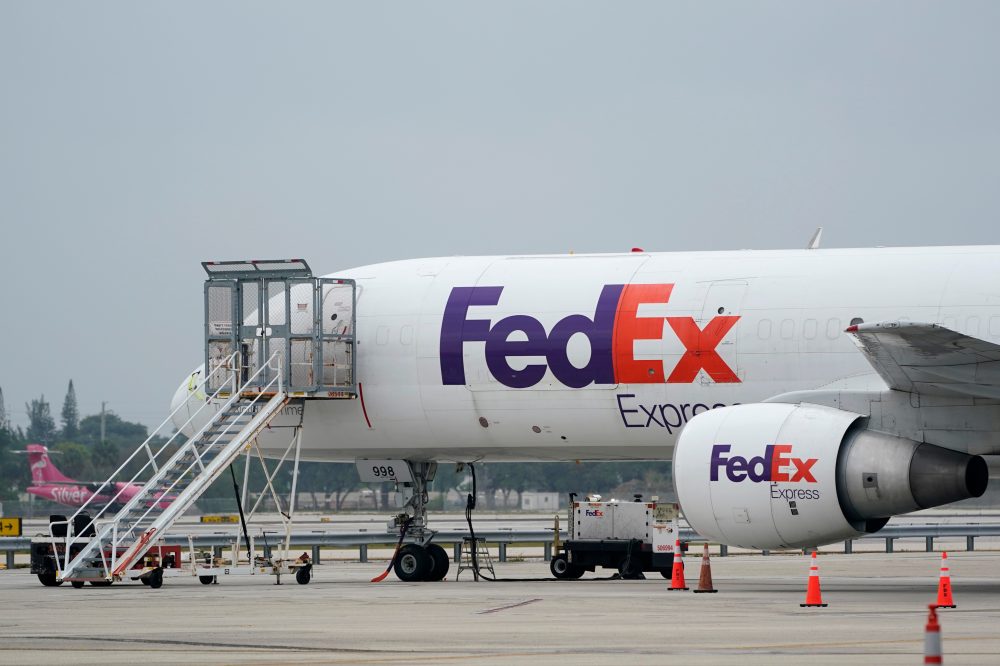
Two separate class-action cases have emerged in federal courts targeting shipping giant FedEx and EssilorLuxottica, the French company behind Ray-Ban eyewear. These consumer lawsuits come as more than 1,000 businesses, including major retailers like Costco and Revlon, have already filed their own claims in the U.S. Court of International Trade seeking reimbursement.
The Supreme Court struck down the tariffs on February 20, ruling that former President Trump lacked legal authority to implement them under the International Emergency Economic Powers Act. The invalidated import taxes are estimated to be worth between $130 billion and $175 billion.
Government agencies are still developing procedures for processing refund claims in the coming weeks and months, as numerous lawsuits move through the court system. Many companies have filed preventive legal actions to protect their right to reimbursement.
FedEx released a statement Thursday promising to pass along any tariff refunds to the shippers and customers who originally paid the fees. However, Miami resident Matthew Reiser, who filed suit against the delivery company on Friday, argues this commitment “creates no legally enforceable obligation and is expressly contingent on future government and court guidance that may never materialize.”
Reiser’s complaint details how he paid $36 in tariff and customs fees for tennis shoes shipped through FedEx from Tennis Warehouse Europe, a German-based online retailer located in Schutterwald. FedEx has not yet provided a response to requests for comment.
In the second lawsuit filed this week, New York resident Nathan Ward claims he bought Ray-Ban sunglasses from the company’s website in August 2025, paying inflated prices that included tariff surcharges.
According to Ward’s legal filing, “Despite seeking an order entitling it to a refund of the duties collected as a result of the subject tariffs, EssilorLuxottica continues to collect and has not refunded the tariff surcharges it collected from consumers.” The eyewear company has also not responded to comment requests.
Legal expert Barry Appleton, who co-directs the Center for International Law at New York Law School, predicts many similar consumer cases will emerge, particularly against businesses that provided detailed receipts showing tariff charges. While the legal strength of these cases remains uncertain, Appleton notes they create pressure on companies to distribute any tax refunds they successfully obtain.
“What we are watching is the predictable next chapter of the IEEPA story,” Appleton said. “The Supreme Court told the White House it overreached, the major importers lined up for refunds, and now ordinary consumers are asking the obvious question — if those duties were illegal, why shouldn’t we get our money back too?”