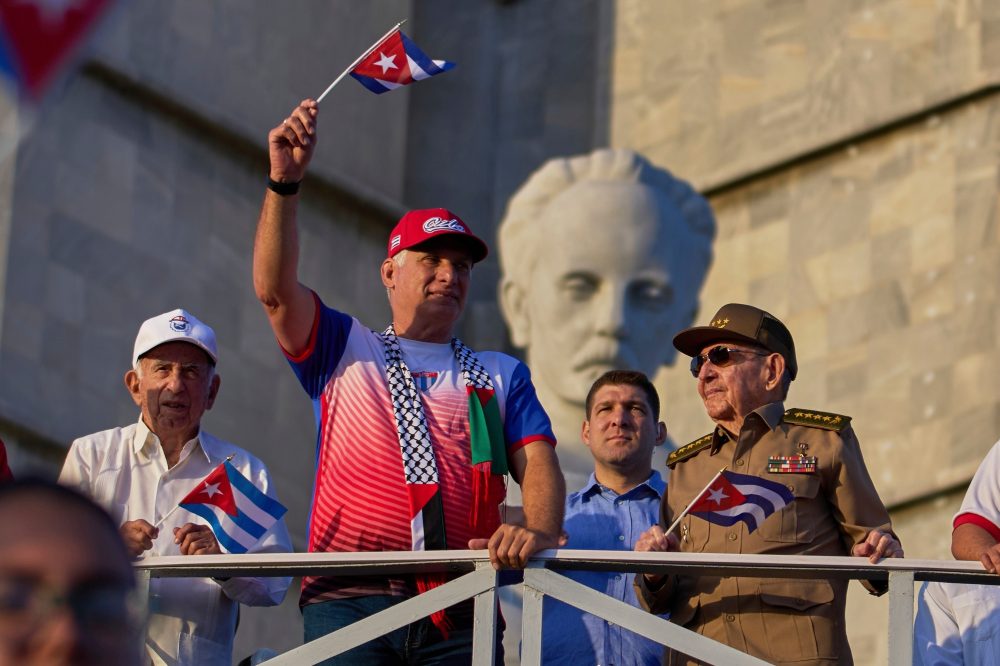

HAVANA (AP) — Cuba’s ruling Communist Party, known as the PCC, convened an emergency plenary session Wednesday, just days after President Miguel Díaz-Canel unveiled a package of economic reforms intended to loosen restrictions on the island’s struggling economy.
In an unexpected development the same day, Cuba’s National Assembly was also called to meet Thursday, immediately following the party’s gathering.
Both meetings are taking place at a particularly difficult moment for Cuba, as the country continues to feel the strain of a U.S. energy blockade designed to pressure the island into changing its economic system.
Cuba has been locked in a deepening financial crisis for several years — a situation made worse by an energy embargo put in place under U.S. President Donald Trump. The consequences have fallen hardest on the island’s most vulnerable citizens. Ongoing power blackouts, cuts to government-provided food rations, and critical shortages of both water and medicine have made everyday life increasingly difficult for the island’s nearly 10 million people.
Speaking to reporters last week, Díaz-Canel said the forthcoming reforms would broaden permissions for private businesses, which were first allowed under Cuban law five years ago. While he did not offer specific details or a timeline, the president said the plan would permit Cubans living on the island as well as those living abroad to invest in the tourism sector. He also said state-owned companies would gain more flexibility to work alongside private businesses.
Díaz-Canel also indicated that changes to the currency exchange system are on the horizon and suggested that private enterprises might eventually be allowed to handle imports and exports on their own, without going through the state middlemen currently required by law.
Before the sessions got underway, Díaz-Canel noted that Cuba’s parliament is already reviewing legislation that would reduce the size of the government bureaucracy, cutting the number of ministries from 27 down to 20.
The PCC is the only political party permitted to operate legally in Cuba. It does not participate in elections and is led by Díaz-Canel in his role as first secretary. Under Cuba’s constitution, the party is charged with setting the direction for all branches of government, including the legislature.