
A federal court has thrown out a civil rights lawsuit filed by a Tennessee family who claimed law enforcement and emergency responders used deadly force on their son during a medical emergency.
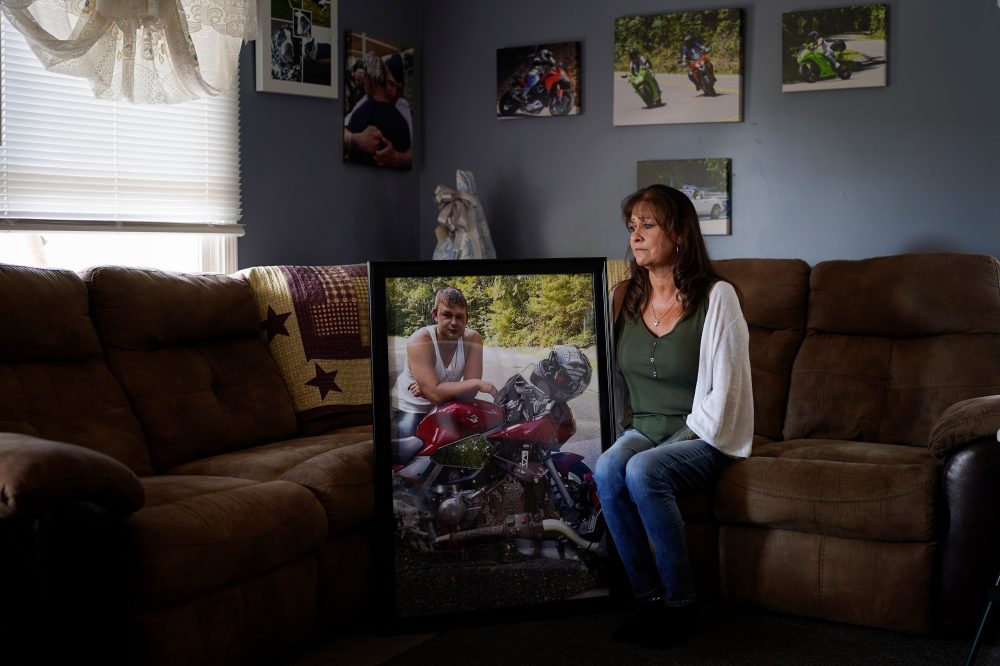
The case centered on the 2017 death of Austin Hunter Turner, a 23-year-old Bristol, Tennessee man who died after police and paramedics responded to a seizure call at his apartment. On Monday, a federal judge sided with the city of Bristol and its employees, determining that too much time had passed before Turner’s family brought their legal challenge.
Turner’s death was among more than 1,000 cases nationwide identified in an Associated Press investigation where individuals died following police use of non-lethal force methods.
The victim’s mother, Karen Goodwin, didn’t file her lawsuit until 2024 after AP journalists provided her with police body camera footage she had never seen before. This video evidence led the family to question the official autopsy findings that attributed Turner’s death to multiple drug toxicity. The family’s legal team has announced plans to challenge the dismissal.
The heart of the lawsuit involved discrepancies between what the body camera footage showed and officers’ accounts of the incident inside Turner’s residence after his girlfriend requested emergency medical assistance.
Legal representatives for Bristol city officials, emergency medical personnel, and the involved officers chose not to provide statements when contacted by the AP this week.
According to police reports, officers deployed a Taser and held Turner face-down because he was allegedly resisting paramedics. However, the lawsuit contended that the video evidence revealed Turner wasn’t striking or kicking anyone and couldn’t follow commands because he was experiencing a seizure.
The legal filing described how the footage showed law enforcement and medical personnel applying “significant pressure on the back of Mr. Turner’s head and upper back while Turner was face-down, in the prone position, with a spit sock covering his airway, hands cuffed behind his back and legs shackled.”
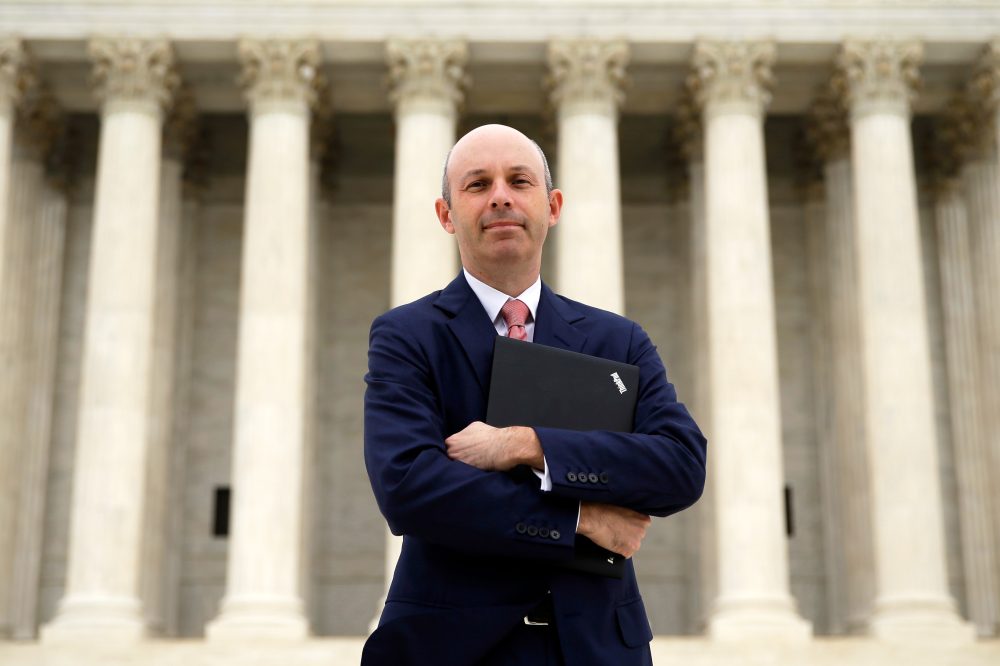
Family attorney David Randolph Smith expressed disagreement with the court’s timing interpretation in his statement to the AP.
“In our case, the state’s official autopsy affirmatively and incorrectly attributed Austin’s death to ‘multiple drug toxicity as a consequence of recreational drug use’ and it was not until 2023 — when body‑camera footage surfaced and a forensic pathologist reviewed the evidence — that Karen Goodwin first learned restraint‑induced asphyxia, not drugs, caused his death,” Smith stated. “We intend to appeal and will ask the Court of Appeals to hold that families in this position are entitled to their day in court when they could not reasonably have discovered the true cause of death until long after the fact, through no fault of their own, but because of misinformation and omissions by government actors.”
The Associated Press investigation revealed that in similar cases examined, officers failed to follow established safety protocols for restraining individuals, including positioning people face-down in ways that could impair breathing or using Tasers excessively.
Defense attorneys representing the city, police department, and paramedics maintained that since Goodwin witnessed officers using force against her son, she had only one year from that incident to initiate legal proceedings.
The family’s legal team argued their case involved a cover-up that should have extended their filing deadline. They contended the statute of limitations shouldn’t begin until AP reporters provided the police video to the family in August 2023, during their collaborative investigation with FRONTLINE PBS and the Howard Centers for Investigative Journalism at the University of Maryland and Arizona State University.