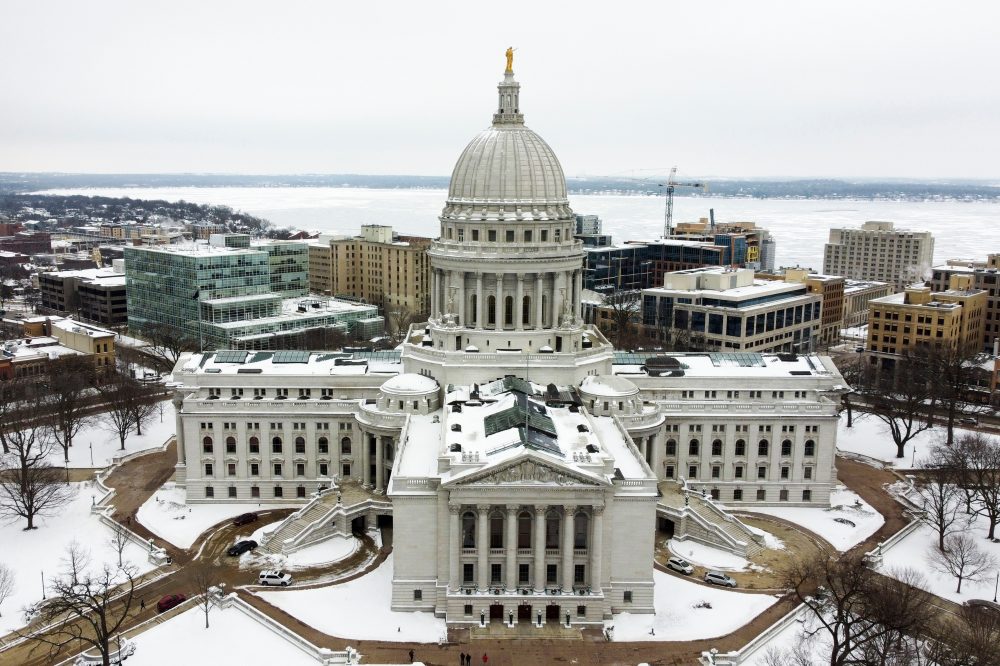

MADISON, Wis. — Wisconsin lawmakers have reached agreement on a $133 million initiative to address contamination from persistent chemicals known as PFAS, sending the bipartisan legislation to Governor Tony Evers on Tuesday and concluding years of political disputes between the Democratic governor and GOP legislators.
Governor Evers indicated he would sign the measures into law immediately following the Senate’s approval Tuesday afternoon. This uncommon cross-party agreement provides hope for numerous Wisconsin municipalities dealing with PFAS contamination in their water supplies.
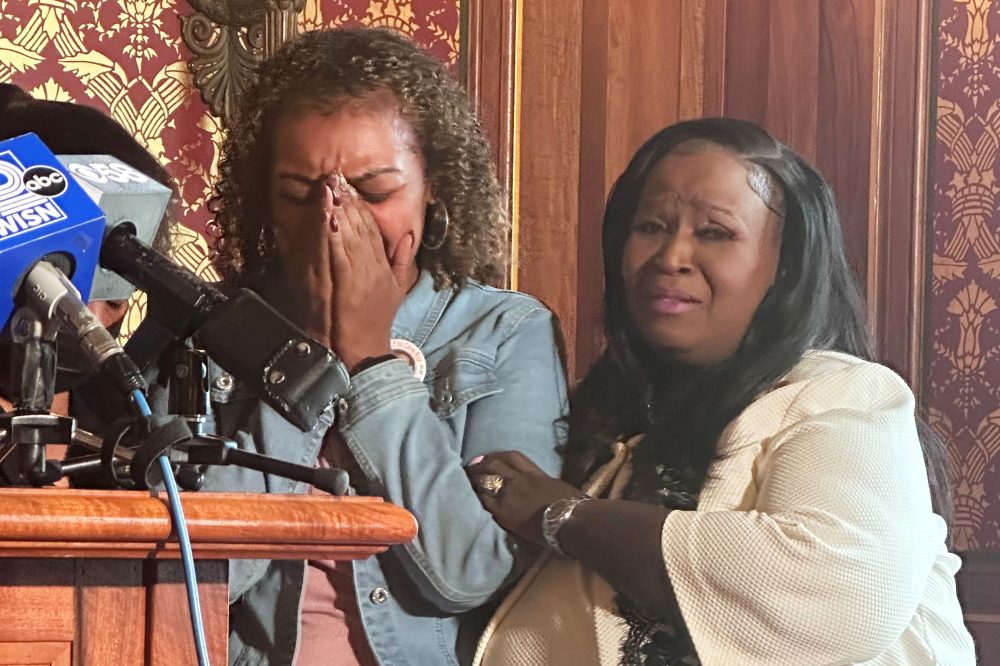
“Beautiful,” said Campbell Town Supervisor Lee Donahue regarding the Senate’s decision. Citizens in this community of 4,300 people have relied on bottled water since 2021 when state health authorities alerted them that over 500 wells contained contamination. “This has been a long time coming. This is definitely a day for celebration.”
PFAS chemicals — per- and polyfluoroalkyl substances — are synthetic compounds that resist natural breakdown. These substances appear in numerous consumer goods, from cookware to stain-resistant fabrics, and were previously common in aviation firefighting foam. Research has connected these chemicals to health issues such as low birth weight, cancer, liver disease, and reduced vaccine effectiveness.
Towns near industrial facilities and military installations across America face PFAS contamination challenges. Federal estimates indicate nearly half of American households have detectable PFAS levels in their water supply, whether from private wells or municipal systems. However, while federal authorities have established stringent standards for utility-provided water, these regulations don’t cover approximately 40 million Americans who depend on private wells.
Multiple Wisconsin communities are battling PFAS groundwater contamination, including Marinette, Madison, Peshtigo, Wausau, Stella, and Campbell. Green Bay’s waters also show contamination.
In Stella, private wells suffered severe PFAS contamination from fertilizer containing these chemicals that was applied to agricultural land. State resources for assistance have been limited, with restricted free testing availability and only modest grant programs for well replacement.
The governor and Republican legislators have disagreed for years about the best approach to tackle this pollution. Wisconsin’s 2023-25 budget established a $125 million trust fund for PFAS remediation, but both sides couldn’t reach consensus on spending priorities.
Two years ago, Evers rejected a Republican proposal that would have allocated funds for grants to municipalities, property owners, and waste facilities for PFAS testing in treatment plants and wells. The governor argued the legislation restricted state regulators’ ability to pursue polluter accountability, and environmental organizations supported his veto.
During the political impasse, the fund has increased to $133.4 million, according to Legislative Fiscal Bureau data.
The original bill’s primary sponsors, Republican Senator Eric Wimberger and Representative Jeff Mursau, introduced two revised proposals in January following consultations with the state Department of Natural Resources, which reports to Evers.
The first measure allocates $132.2 million from the PFAS trust fund for community grants, well replacements, airports, and industrial sites, plus $1.3 million from the general fund for 10 additional Department of Natural Resources staff positions to oversee the program.
The second bill creates a liability exemption list for contamination, resembling the 2024 legislation Evers vetoed. Exemptions include individuals who spread PFAS while following permits that didn’t address PFAS; property owners whose land was contaminated under permit conditions; owners of contaminated industrial sites who didn’t cause the pollution; and fire departments that used PFAS-containing foam. However, businesses operating facilities that have used PFAS or spread industrial waste could still face liability.
The Assembly approved both bills unanimously on the final day of its two-year session in February. The Senate passed the legislation by overwhelming margins, with one bill receiving a 33-0 vote and the other passing on a voice vote with minimal debate.
“I’m incredibly proud we were able to work across the aisle to get this done — and get it done right,” Evers stated.