
GENERAL SANTOS, Philippines — Emergency responders wearing protective helmets rushed from a damaged shopping center in a southern Philippines city Wednesday when tremors from continuing aftershocks shook the structure following a devastating earthquake that claimed 45 lives and left 17 people unaccounted for across the area.
A safety coordinator sounded an alarm whistle while others shouted warnings for approximately 30 firefighters and coast guard members to evacuate quickly as chunks of concrete fell from the tilting three-story structure in General Santos city, according to witness accounts from an Associated Press video journalist on scene.
The waterfront city, known as a major commercial center and the nation’s tuna fishing capital, suffered severe damage from Monday’s 7.8-magnitude tremor that carved a path of destruction throughout southern Mindanao, the country’s second-largest populated area.
“It was a strong aftershock and an alarm was immediately sounded so those inside and under the damaged building can run out for a headcount,” said Ressa Mia Tactaquin-Betoya, who speaks for the firefighters searching for the last employee missing in the ruined grocery, where two upper floors collapsed during the initial quake.
“It was scary because we don’t want our rescuers to be harmed so the area must be secured before they can go back in,” she told The Associated Press.
More than 2,100 secondary tremors have followed the main earthquake, including several measuring up to 6.4 magnitude — powerful enough to inflict additional injuries and structural damage, according to Teresito Bacolcol, who heads the Philippines Institute of Volcanology and Seismology.
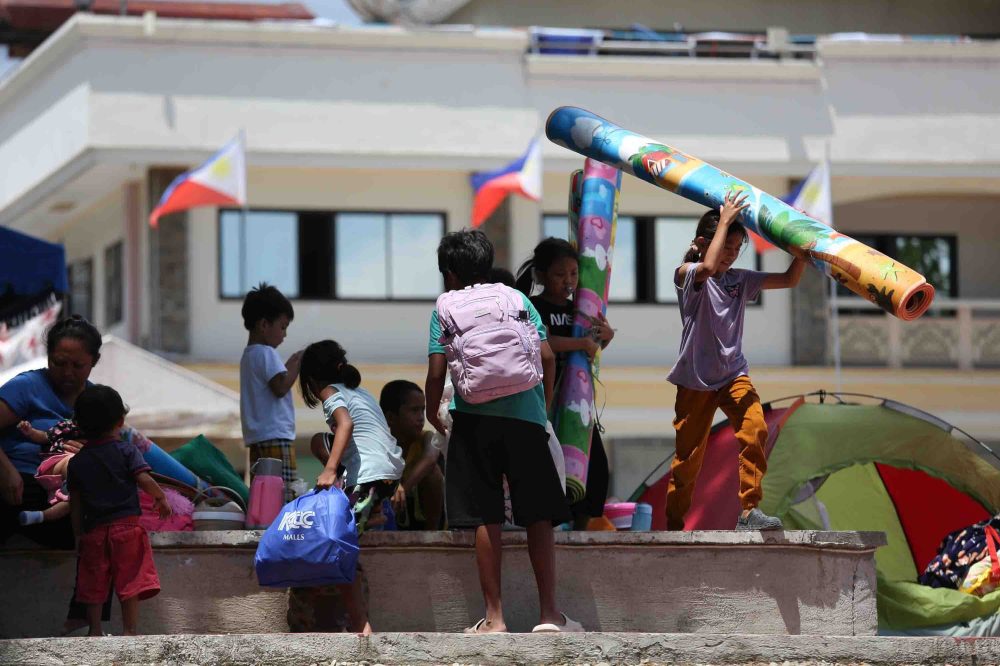
Over 25,000 residents continue living away from their homes, with many housed in 45 government emergency facilities and remaining too frightened to return to their residences, authorities reported.
The Monday tremor ranked among the most severe to strike the Philippines in fifty years. It left at least 630 people injured and caused damage to more than 3,100 homes, 29 roadways, 11 bridges and over 100 government facilities.
The disaster also affected General Santos’ international airport, forcing officials to suspend all operations indefinitely except for government and military aircraft delivering supplies and emergency personnel, Civil Aviation Authority of the Philippines spokesperson Eric Apolonio said.
Approximately 6,000 public school structures in earthquake-affected areas require safety evaluations before educational activities can restart. The tremor occurred on the opening day of nationwide classes following a two-month summer vacation, with many injuries affecting young students who had assembled enthusiastically for morning flag ceremonies.
The majority of fatalities resulted from falling rubble and landslides in General Santos and surrounding provinces of Sarangani, South Cotabato and Davao Occidental.
At least one fatality occurred when someone was carried into the ocean after the earthquake, as wave heights reached 1.4 meters (4.6 feet) above normal tide levels in the southern Philippines. Smaller waves reached shores in Indonesia and Palau and extended to southern Japan before tsunami alerts were canceled.
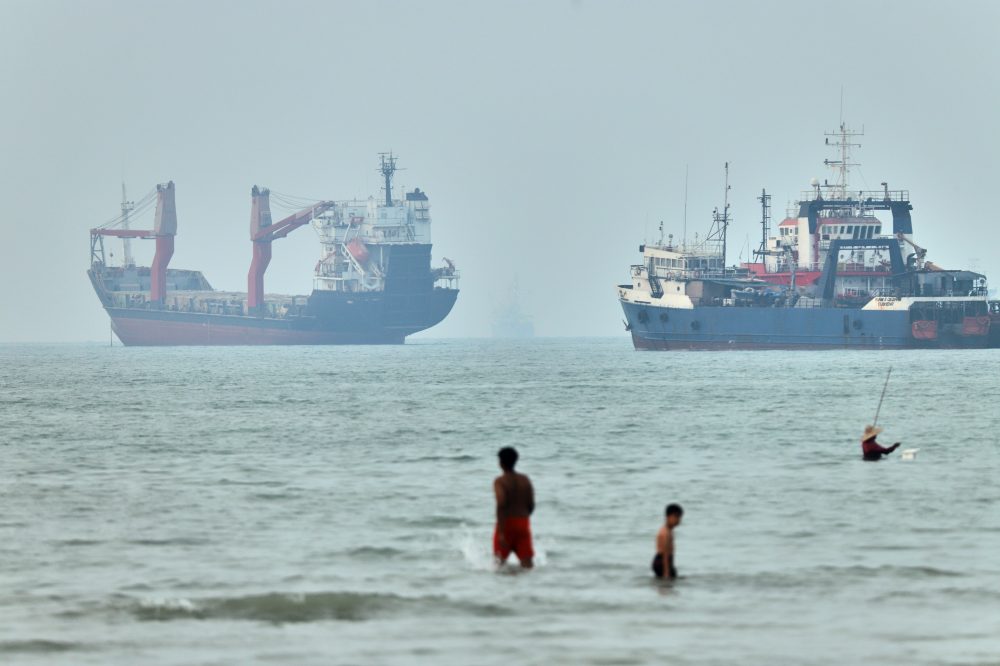
Seven people swimming near General Santos were caught by powerful currents immediately following the earthquake. Coast guard teams rescued three individuals, one managed to reach shore independently, one perished, and two remain unlocated, Philippine coast guard officials reported.
The dangerous currents that carried away the victims were likely triggered by the seismic activity, Bacolcol explained.
Movement within the Cotabato Trench caused the earthquake, marking one of the most powerful to affect the nation since the same underwater geological feature generated an 8.1-magnitude quake that created tsunami waves on Aug. 17, 1976 and resulted in approximately 8,000 deaths.
The Philippines, recognized as among the globe’s most disaster-vulnerable nations, frequently experiences earthquakes and volcanic activity because of its position along the Pacific “Ring of Fire,” a zone of seismic activity surrounding the ocean.